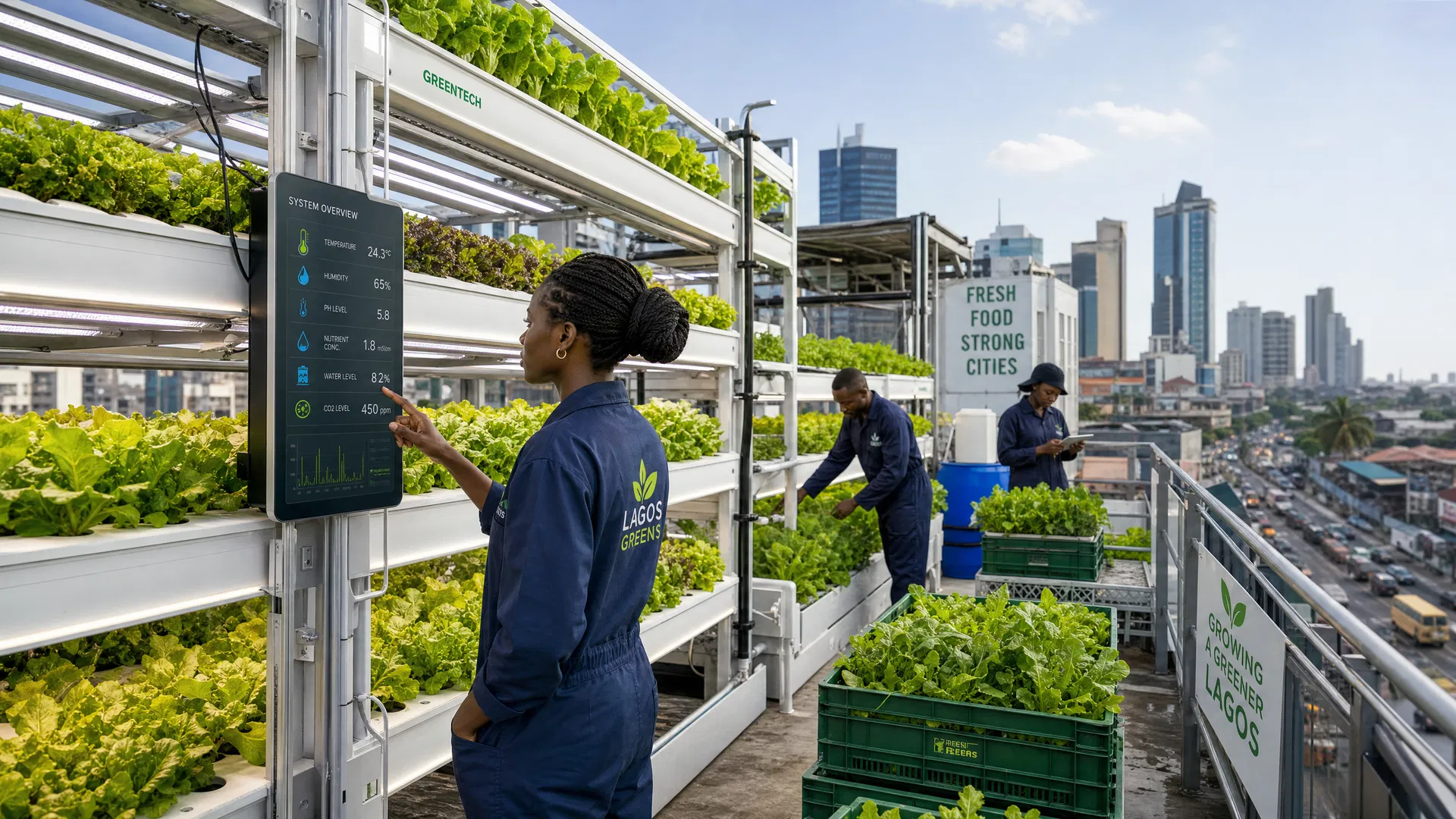
The rapid urbanization of the African continent is reshaping the demographic and economic landscape at an unprecedented pace. Megacities such as Lagos, Nairobi, Cairo, and Kinshasa are expanding rapidly, bringing millions of people into densely populated urban centers. While this urbanization drives economic growth, it also presents a formidable challenge: ensuring sustainable food security for burgeoning urban populations. Traditional agricultural supply chains, often characterized by long distances between rural farms and urban consumers, are increasingly vulnerable to climate variability, infrastructural deficits, and logistical inefficiencies. In response to these pressing challenges, urban farming and vertical agriculture have emerged as critical solutions, transforming cityscapes into productive agricultural hubs capable of feeding the cities of the future.
Vertical agriculture involves growing crops in stacked layers, often integrated into structures like skyscrapers, shipping containers, or repurposed warehouses. This innovative approach mitigates the risks posed by climate change, pests, and pollution by operating in highly controlled environments. It allows for year-round food production independent of weather conditions and significantly reduces the need for traditional agricultural chemicals. Furthermore, vertical farming optimizes resource utilization, producing substantially higher yields per square meter while consuming up to ninety percent less water than conventional farming methods. As the vertical farming market in the Middle East and Africa is projected to reach nearly two billion dollars by the next decade, the potential for this technology to revolutionize urban food systems is immense.
Despite its transformative potential, the widespread adoption of vertical agriculture in African megacities faces significant barriers, primarily related to high initial capital expenditures and operational costs. Establishing a state-of-the-art vertical farm requires substantial investment in specialized lighting, climate control systems, and hydroponic infrastructure. Additionally, the energy-intensive nature of these operations necessitates reliable and cost-effective power sources, which can be a constraint in certain regions. To overcome these financial and infrastructural hurdles, the integration of robust digital platforms and innovative financial technologies is essential. Digital infrastructure serves as the backbone that enables the scalability, efficiency, and financial viability of urban farming initiatives across the continent.
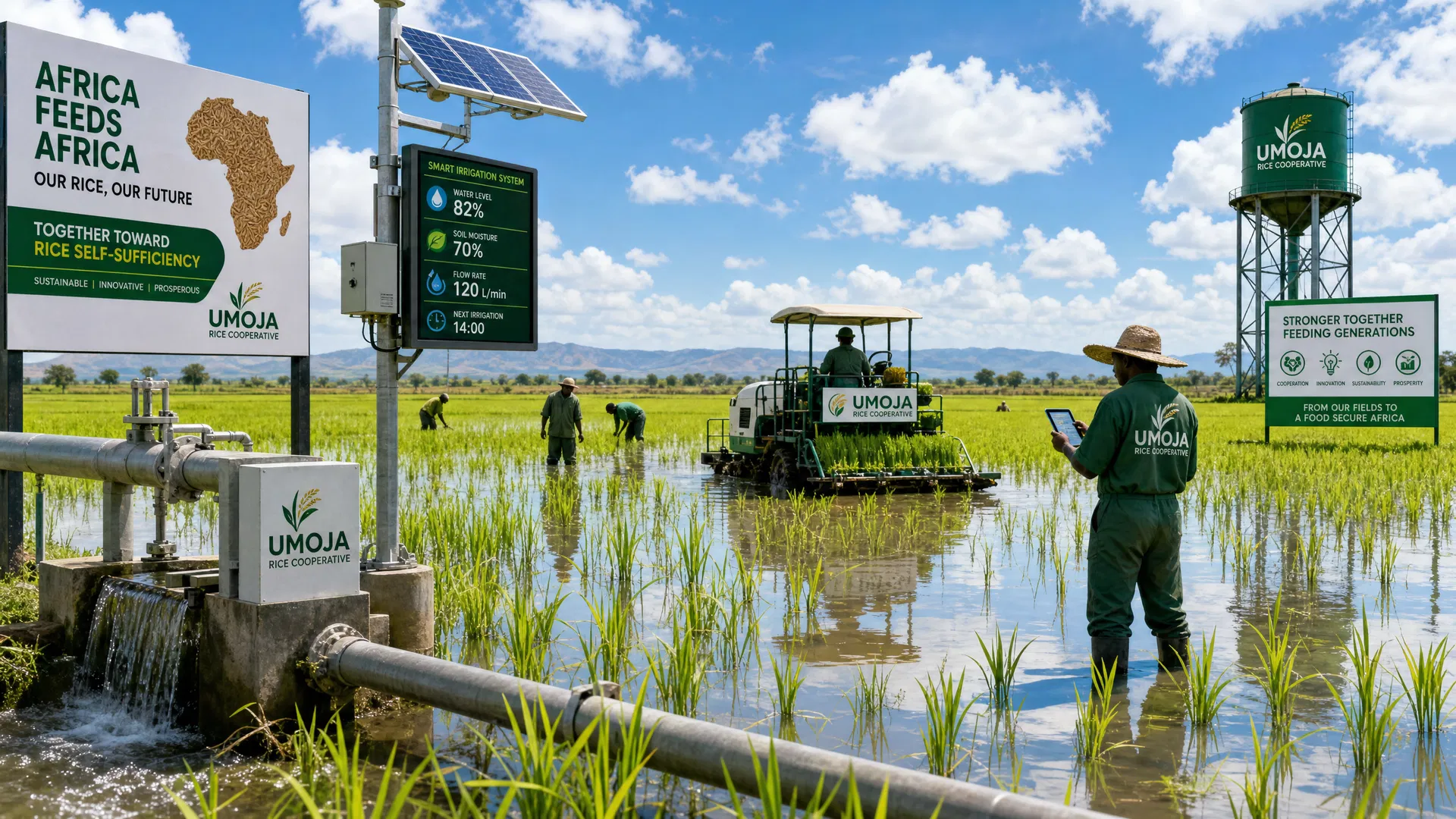
The convergence of agriculture and digital technology is already driving significant advancements in how food is produced and managed in urban environments. Internet of Things devices, environmental sensors, and advanced data analytics are being deployed to monitor and optimize every aspect of the vertical farming process. These digital tools provide real-time insights into temperature, humidity, nutrient levels, and plant health, allowing operators to maximize yields and minimize resource waste. In countries like Kenya and South Africa, agtech startups are leveraging these technologies to create highly efficient urban farms that supply fresh, locally grown produce directly to urban consumers and retailers, thereby shortening supply chains and reducing post-harvest losses.
Beyond operational optimization, digital platforms are revolutionizing the financial landscape of urban agriculture through the application of blockchain technology and asset tokenization. Tokenization involves converting physical agricultural assets, such as vertical farming infrastructure or crop yields, into secure digital tokens on a blockchain. This process fundamentally alters the investment paradigm by unlocking liquidity and enabling fractional ownership. Instead of relying solely on traditional institutional financing, urban farming projects can attract a diverse pool of investors, ranging from local community members to international stakeholders. This democratization of investment lowers the barrier to entry and provides vertical farms with the crucial capital needed to scale their operations.
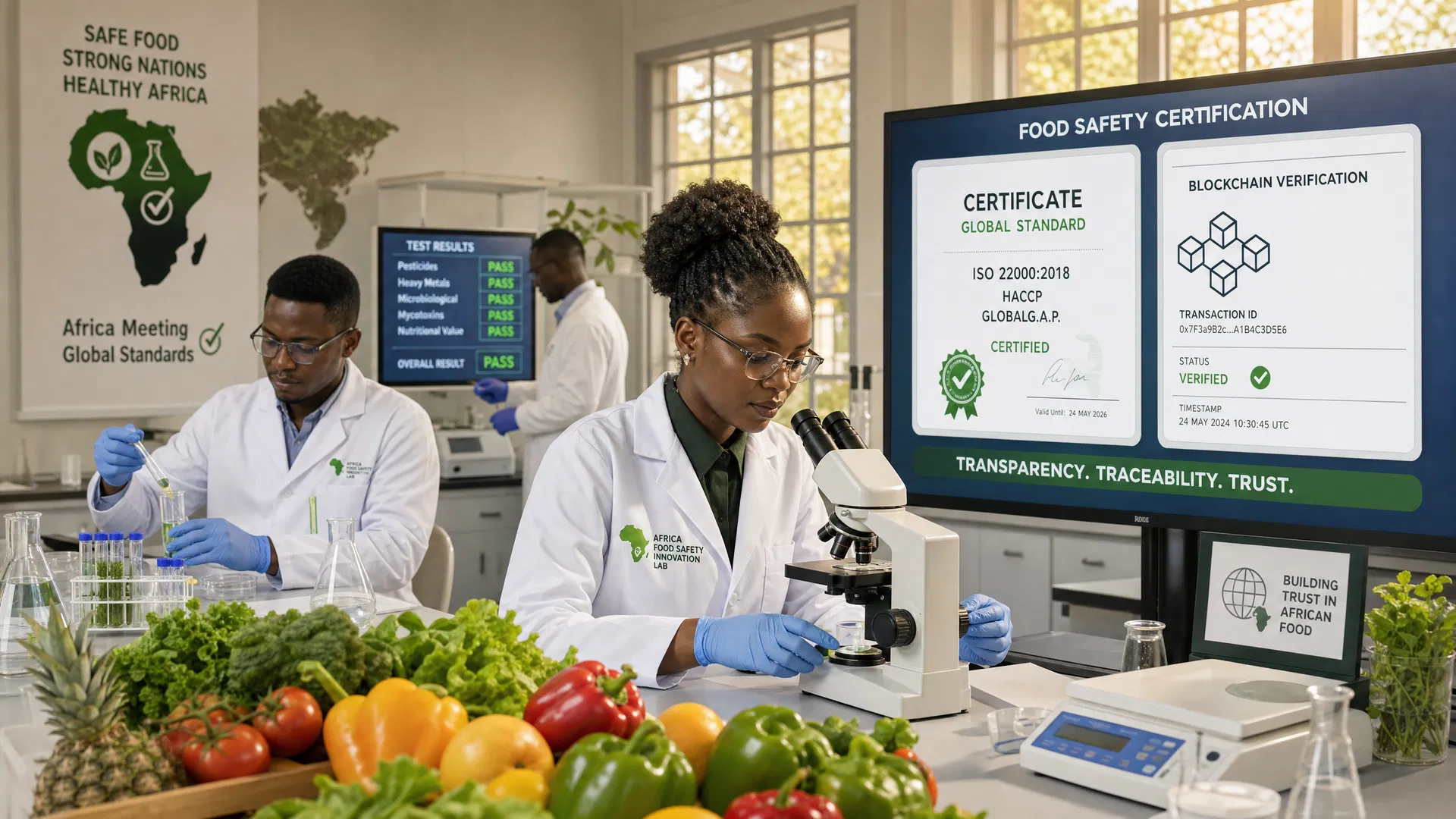
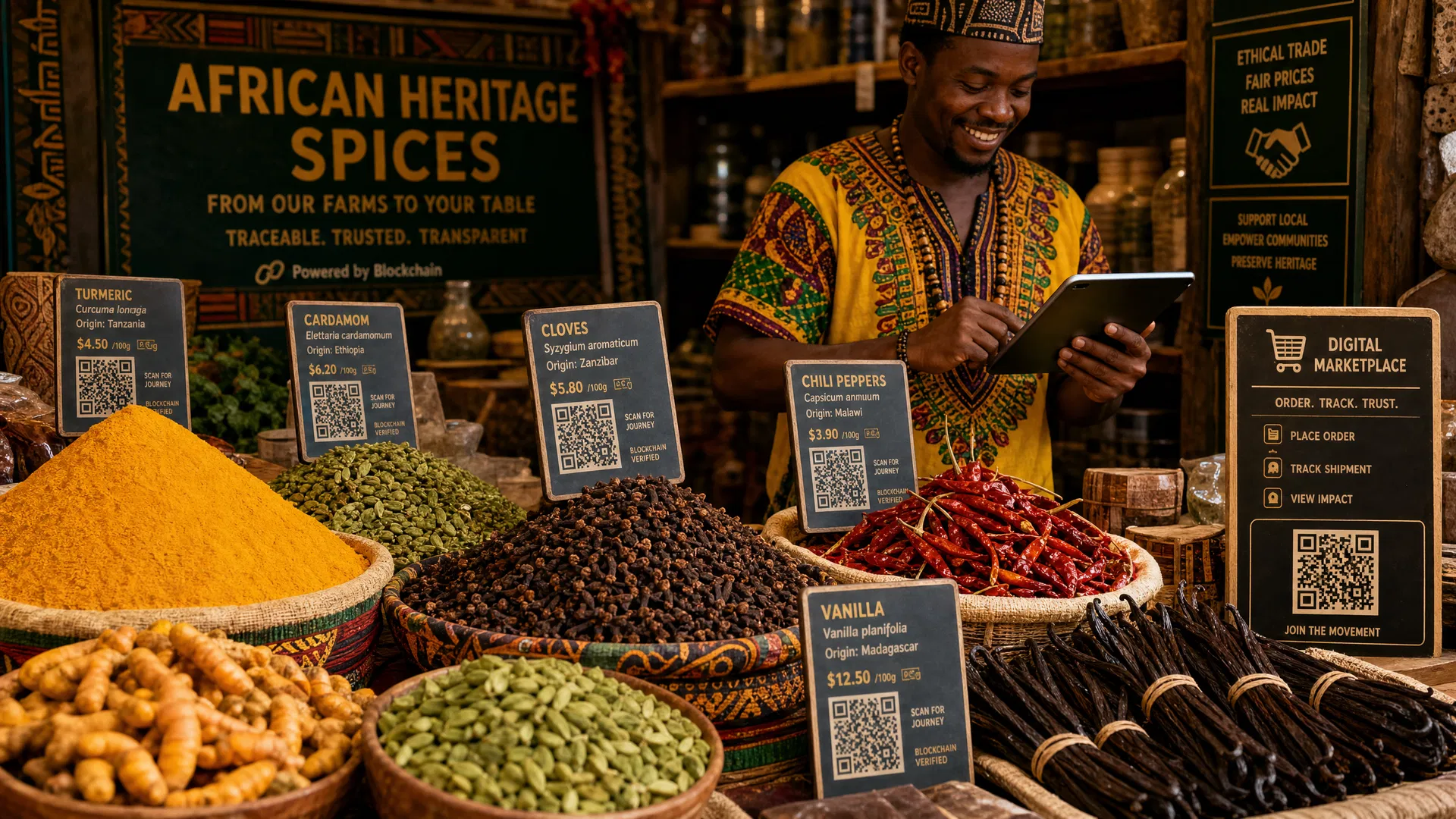
Furthermore, blockchain technology introduces unprecedented transparency and traceability into the agricultural supply chain. Every transaction, from the initial investment to the final sale of produce, is recorded on an immutable digital ledger. This transparency builds trust among investors, consumers, and regulatory bodies, ensuring that funds are utilized efficiently and that the produce meets stringent quality standards. Smart contracts can automate various processes, such as distributing dividends to token holders based on crop yields, thereby reducing administrative overhead and enhancing operational efficiency. In Nigeria, digital platforms are already demonstrating the power of connecting farmers with financing and markets, paving the way for more sophisticated tokenized ecosystems.
The integration of cooperative governance models within these digital platforms further empowers local communities and aligns with the communal ethos prevalent in many African societies. By structuring tokenized urban farms as digital cooperatives, stakeholders can participate in the decision-making processes. This inclusive governance structure ensures that the benefits of vertical agriculture are distributed equitably, fostering a sense of ownership and shared responsibility. It transforms urban residents from passive consumers into active participants in their local food systems, strengthening community resilience.
As Africa continues to navigate the complexities of rapid urbanization and climate change, the digitization of its agricultural sector is not merely an option but a necessity. AfriVest stands at the forefront of this transformation, providing the essential digital infrastructure platform for asset tokenization, cooperative governance, and financial inclusion. By bridging the gap between innovative agricultural technologies and accessible financing, AfriVest empowers urban farmers, investors, and communities to build resilient and sustainable food systems. Through the strategic application of blockchain and tokenization, AfriVest is committed to unlocking the full potential of vertical agriculture in African megacities, driving economic growth, ensuring food security, and shaping a prosperous, digitized future for the continent.