The foundation of Africa’s agricultural future lies beneath our feet. Yet, the continent faces a silent crisis that threatens its food security, economic stability, and sustainable development. Approximately 65% of arable land in Sub-Saharan Africa is degraded, resulting in annual losses of soil nutrients worth an estimated $4 billion. This degradation, driven by unsustainable land use practices, erosion, and nutrient depletion, affects more than 485 million people. As Africa’s population is projected to increase by 2.5 times and cereal demand to triple by 2050, the urgency to reverse this trend has never been greater. The solution requires a paradigm shift from fragmented agricultural practices to a unified, data-driven approach: the Soil Health Data Commons.
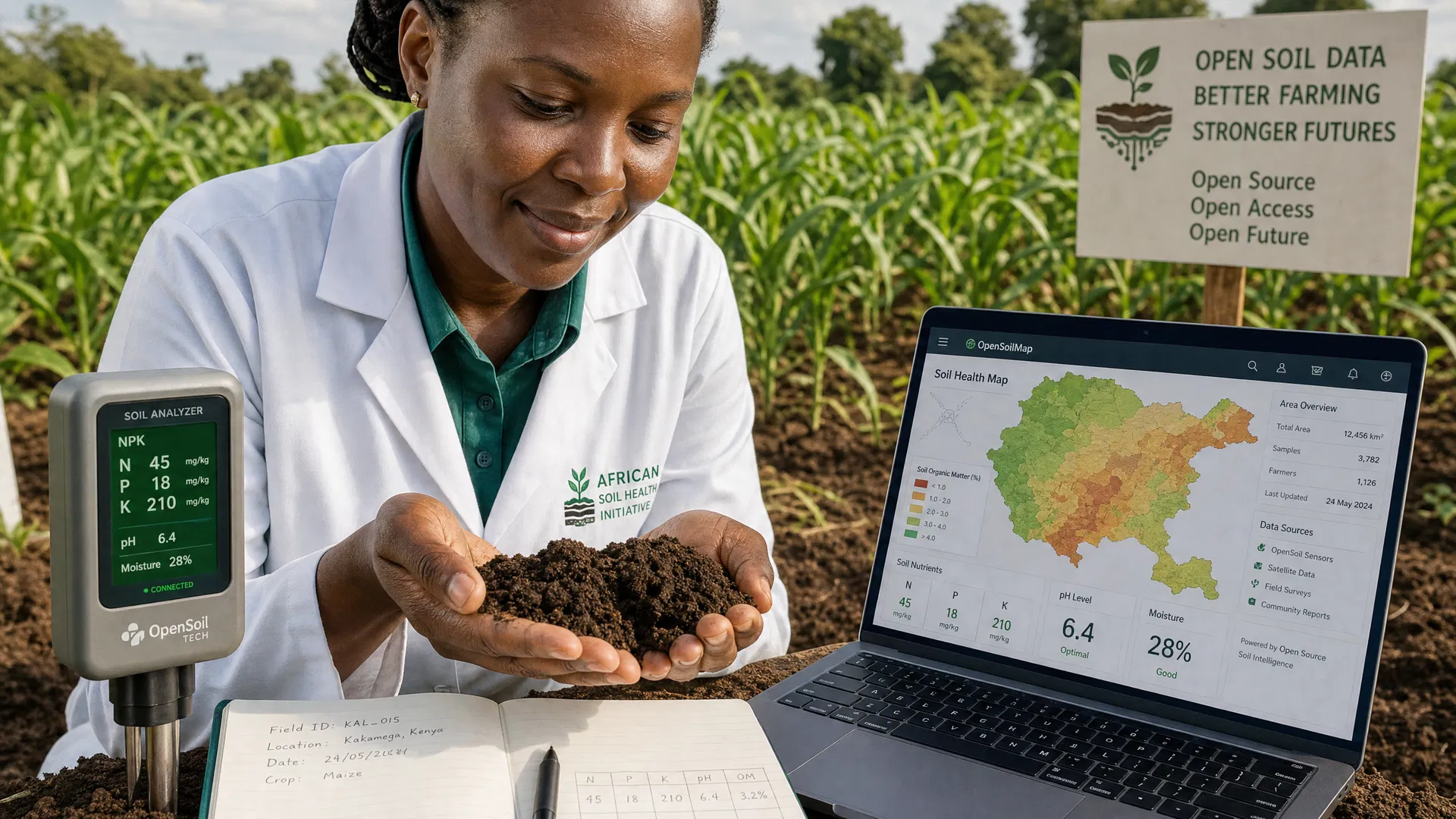
At AfriVest, we recognize that digitizing Africa’s economy extends beyond financial markets and urban infrastructure; it must encompass the agricultural sector, which employs about 60% of the continent’s population and contributes nearly 23% to its GDP. A Soil Health Data Commons represents a decentralized, open-source intelligence network that aggregates, verifies, and shares critical soil data across regions. By leveraging digital infrastructure, we can transform how farmers, policymakers, and investors understand and interact with the land. This collaborative ecosystem enables the collection of granular data on soil organic carbon, moisture levels, and nutrient profiles, empowering stakeholders to make informed, climate-smart decisions.
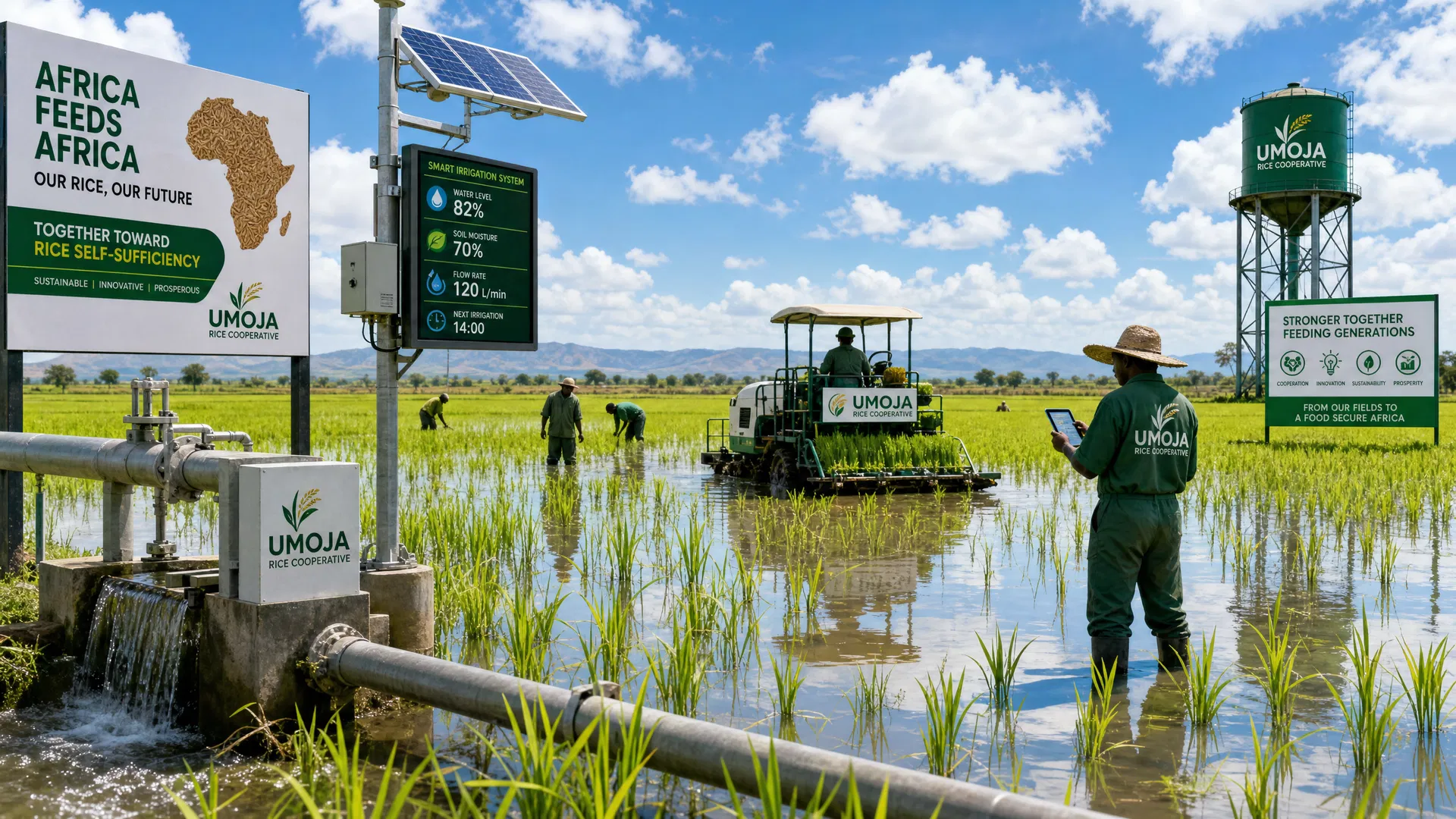
The transition to a data-driven agricultural model is already underway, but it remains siloed. Initiatives like the African Soil Information Service have mapped thousands of sentinel sites, yet smallholder farmers often lack access to these localized insights. A Soil Health Data Commons bridges this gap by democratizing information. Through mobile technology and Internet of Things sensors, real-time soil data can be transmitted to a centralized, accessible platform. This open-source intelligence allows farmers in Kenya to access tailored fertilizer recommendations, which have been shown to increase crop yields significantly compared to blanket national advisories. When farmers have precise data, they can optimize inputs, reduce environmental impact, and enhance productivity.
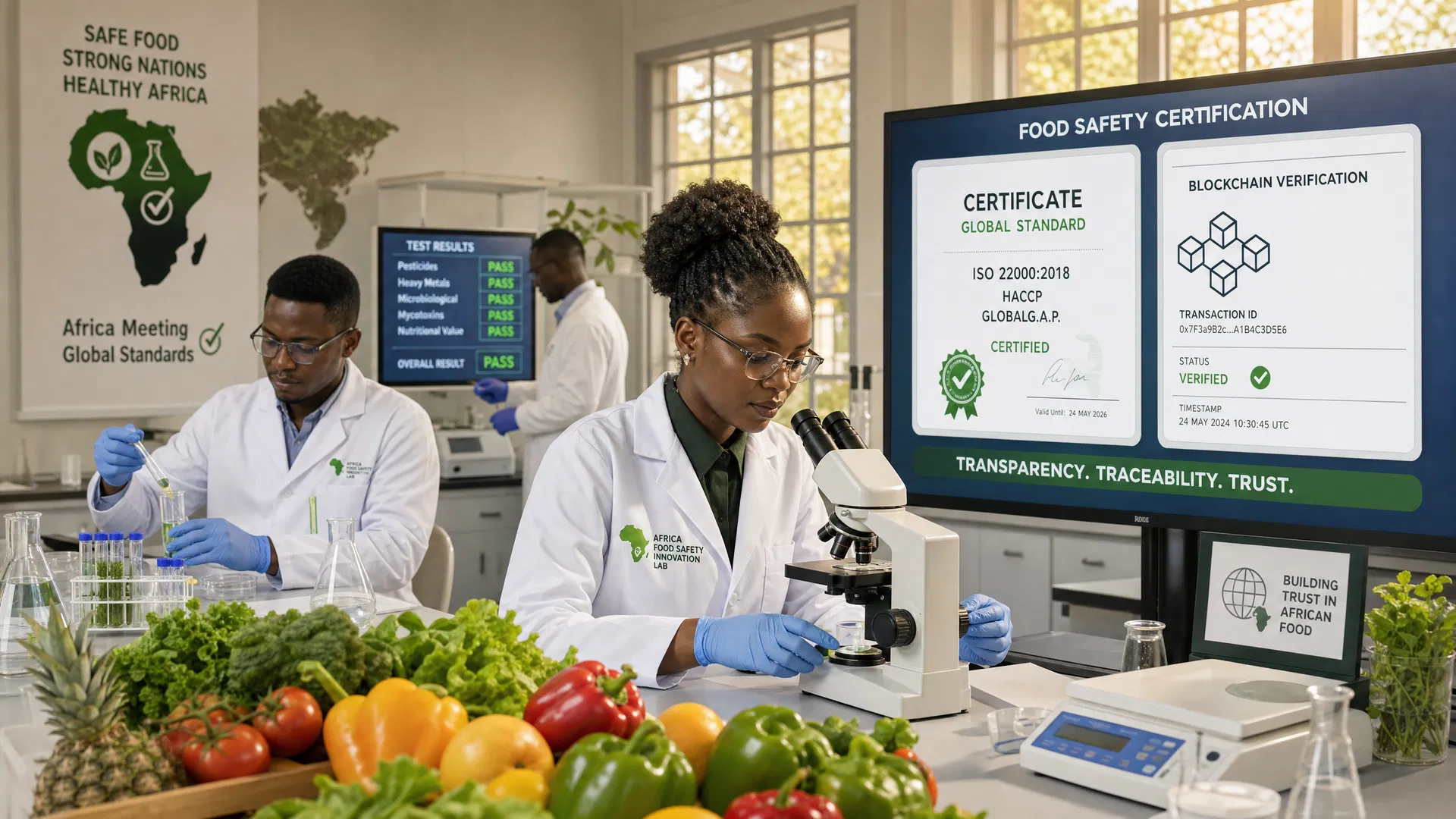
However, data alone is not enough; it must be actionable and verifiable. This is where blockchain technology and asset tokenization become transformative. By integrating blockchain into the Soil Health Data Commons, we create an immutable ledger of soil health metrics. Every data point—whether it is an increase in soil organic matter from regenerative practices or a reduction in chemical runoff—can be securely recorded. This transparency is crucial for building trust among stakeholders and unlocking new financial mechanisms for farmers who have historically been excluded from traditional banking systems.
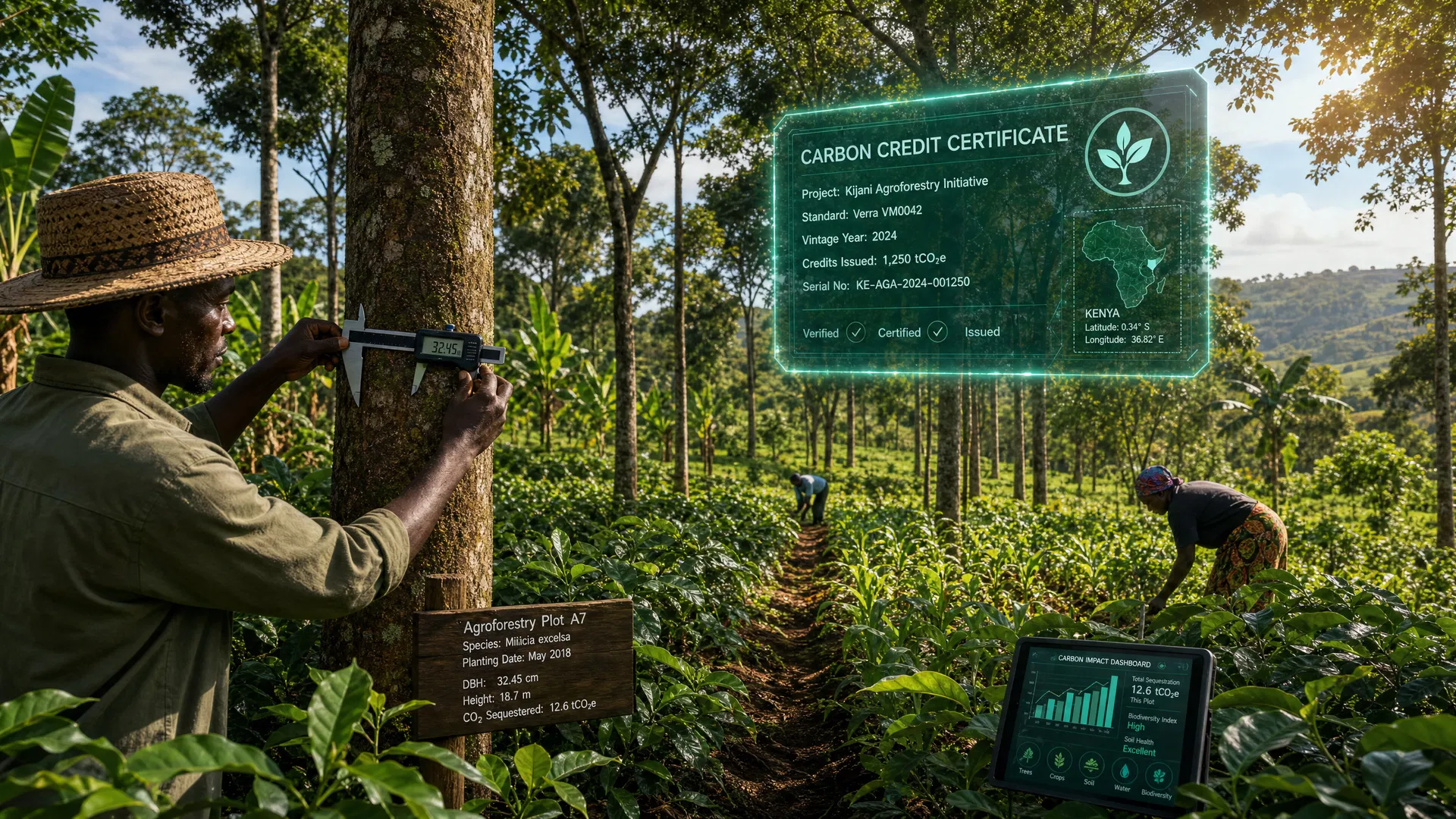
Tokenization allows us to assign tangible value to environmental stewardship. Farmers who adopt conservation agriculture, agroforestry, or integrated soil fertility management can generate verified environmental outcomes. These outcomes can be tokenized into digital assets, such as carbon credits or biodiversity tokens. For instance, a cooperative in Ghana utilizing sustainable practices can issue tokens representing their carbon sequestration efforts. These tokens can then be sold on global markets to corporations seeking to offset their emissions or to investors focused on Environmental, Social, and Governance criteria. This creates a direct, new revenue stream for farmers, incentivizing the transition to climate-resilient agriculture.
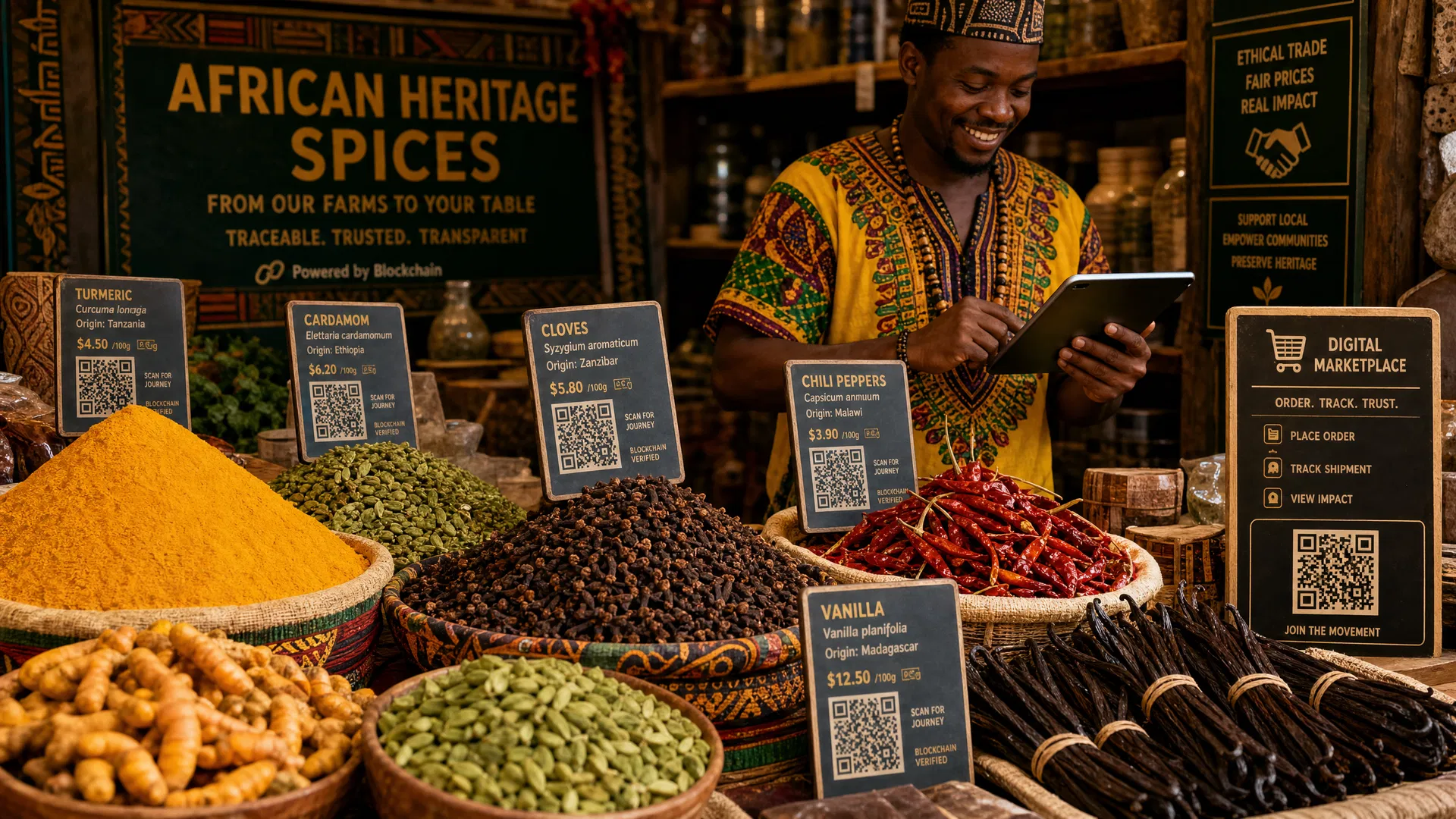
Furthermore, tokenizing agricultural assets addresses the chronic lack of liquidity and capital access in the sector. Farmland and future crop yields are traditionally illiquid assets. By converting them into fractional digital tokens, smallholder farmers can raise capital from a global pool of micro-investors. A farmer in Zambia could tokenize a portion of their expected harvest to secure the funds needed for high-quality seeds or mechanized equipment without relying on predatory lending rates. This financial inclusion empowers farmers to scale their operations and invest in long-term soil health rather than prioritizing short-term survival.
The implementation of a Soil Health Data Commons also facilitates cooperative governance. By utilizing decentralized autonomous organizations, farming cooperatives can collectively manage their data and tokenized assets. This ensures that the value generated from soil intelligence and carbon markets remains within the community, rather than being extracted by intermediaries. It fosters a system where farmers are not just data providers but active participants and beneficiaries in the digital economy.
As we look to the future, the integration of open-source soil intelligence with blockchain infrastructure is not merely an agricultural upgrade; it is a fundamental restructuring of value creation in Africa. At AfriVest, our vision is to build the digital rails that make this transformation possible. By providing the platform for asset tokenization and cooperative governance, we are committed to turning Africa’s degraded soils into its most valuable, regenerative asset class. The Soil Health Data Commons is the blueprint for a resilient, prosperous, and food-secure Africa, where every farmer has the tools to thrive in the digital age.