The Role of Digital Cooperatives in West Africa’s Food Security Landscape
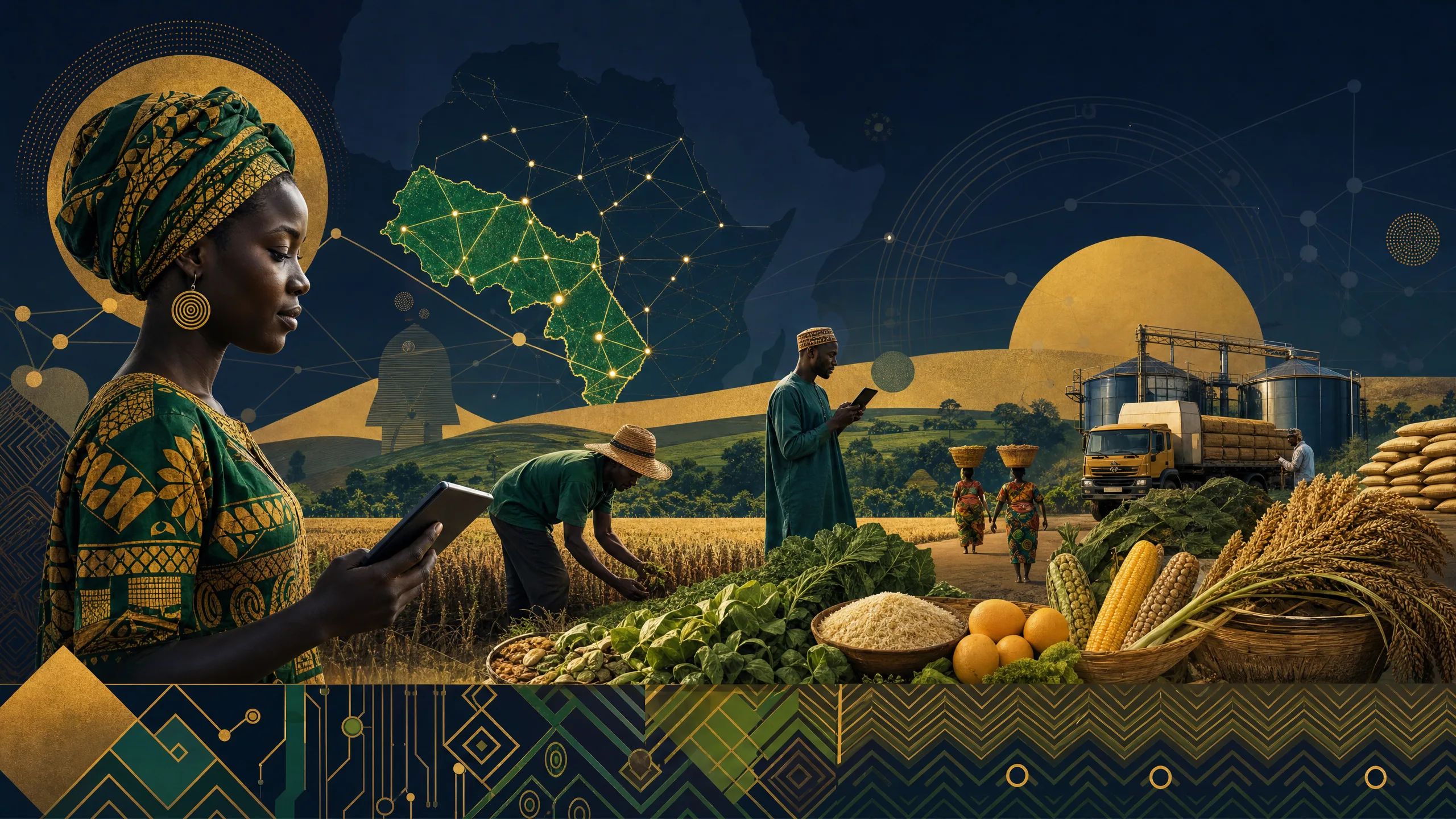
Food security remains a critical challenge in West Africa, where millions face hunger and malnutrition despite the region’s agricultural potential. In this context, digital cooperatives have emerged as pivotal players in transforming agricultural value chains, enhancing productivity, and fostering resilience among smallholder farmers. By leveraging digital technologies, these cooperatives streamline access to inputs, markets, and financial services, directly addressing key bottlenecks that have historically constrained food security.
Digital cooperatives in West Africa utilize mobile platforms and cloud-based systems to facilitate collective action among farmers, enabling them to pool resources, share knowledge, and negotiate better terms with suppliers and buyers. According to the Food and Agriculture Organization (FAO), smallholder farmers represent about 80% of agricultural production in the region, yet they often lack the infrastructure and capital to scale their operations effectively. Digital cooperatives help bridge this gap by providing real-time data, logistic coordination, and financial inclusion tools, thereby increasing agricultural output and stability. This integration of technology into cooperative frameworks is a foundational step in realizing sustainable food security.
Blockchain Cooperatives: Enhancing Transparency and Trust
A notable innovation within digital cooperatives in West Africa is the incorporation of blockchain technology. Blockchain cooperatives offer a decentralized ledger system that enhances transparency, traceability, and accountability throughout the agricultural supply chain. This is particularly crucial in West Africa, where fragmented markets and informal trading often lead to inefficiencies, fraud, and mistrust among stakeholders.
Through blockchain cooperatives, farmers and cooperatives can record transactions securely, verify the authenticity of produce, and facilitate fair trade practices. For example, in Ghana and Nigeria, pilot projects have demonstrated how blockchain can authenticate cocoa and cashew nut origins, ensuring farmers receive equitable prices while reducing intermediaries. The immutable nature of blockchain records also enables better compliance with international standards, improving export potential. By fostering trust and efficiency, blockchain cooperatives strengthen the resilience of food systems and empower farmers to participate more fully in the digital economy.
Agricultural Finance: Unlocking Capital for Smallholders
Access to agricultural finance remains a significant barrier to food security in West Africa. Traditional financial institutions often perceive smallholder farmers as high-risk clients due to lack of collateral and credit history. Digital cooperatives are changing this narrative by leveraging data analytics, mobile banking, and tokenization to create innovative financing models tailored to the agricultural sector.
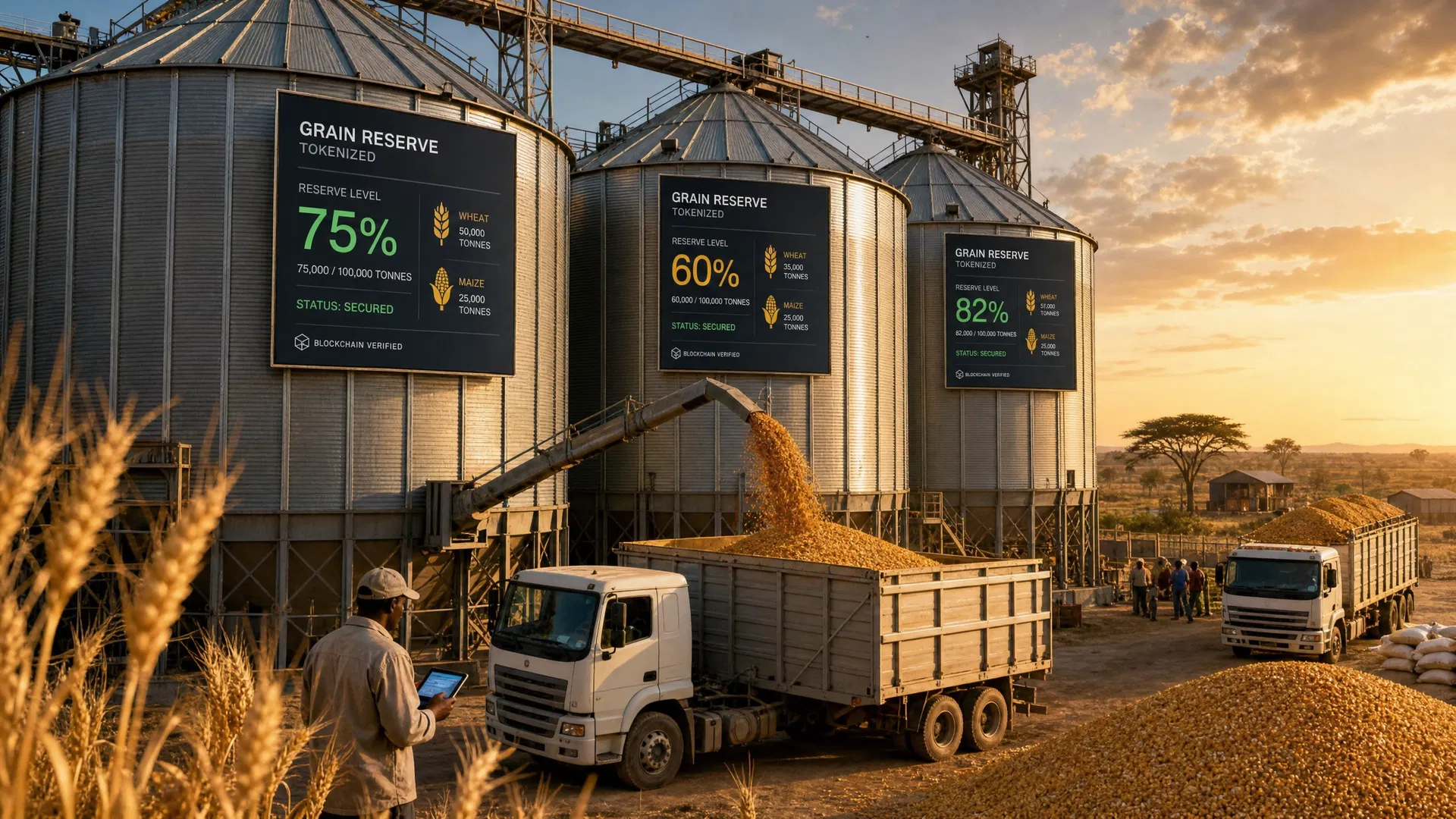
Through digital platforms, cooperatives aggregate creditworthiness data from members’ transaction histories, crop cycles, and cooperative activities, enabling micro-lenders and fintech firms to extend credit more confidently. Tokenization of agricultural assets—such as future crop yields or land rights—further unlocks liquidity by allowing these assets to be fractionalized and traded on digital marketplaces. This approach not only increases farmers’ access to capital but also incentivizes investment in sustainable agricultural practices. According to the African Development Bank, the integration of digital finance could increase agricultural productivity in West Africa by up to 20%, highlighting the transformative potential of these innovations.
Integration with Africa’s Broader Digital Economy Transformation
The rise of digital cooperatives in West Africa must be understood within the continent’s broader digital economy transformation. Africa’s digital economy is projected to grow to $712 billion by 2025, driven by mobile connectivity, fintech expansion, and increased internet penetration. In this environment, digital cooperatives serve as critical nodes that connect rural agricultural producers to this emerging digital ecosystem.
By embedding blockchain and tokenization within cooperative structures, West African agriculture becomes more interoperable with other sectors such as logistics, e-commerce, and digital payments. This integration enables seamless transactions, improved supply chain visibility, and expanded market access beyond local borders. Furthermore, digital cooperatives contribute to digital literacy and infrastructure development in rural areas, fostering inclusive growth. Policymakers and institutional investors recognize that supporting these cooperatives aligns with regional development goals, including the African Union’s Agenda 2063, which emphasizes technology-driven food security and economic diversification.
Regulatory Frameworks Supporting Digital Cooperatives and Blockchain Adoption
For digital cooperatives and blockchain cooperatives to thrive in West Africa, enabling regulatory frameworks are essential. Several West African countries, including Senegal, Ghana, and Nigeria, have begun implementing policies that support digital finance innovation, data protection, and blockchain experimentation. These frameworks aim to balance innovation with consumer protection, financial stability, and cross-border cooperation.
Effective regulation facilitates the creation of interoperable digital identities, smart contracts, and secure transaction environments crucial for blockchain cooperatives. Moreover, regulatory clarity reduces risks for institutional investors by establishing legal certainty around digital asset ownership, tokenization, and cooperative governance. Regional bodies such as the West African Economic and Monetary Union (WAEMU) are also working to harmonize policies, which is vital given the transnational nature of agricultural supply chains. This regulatory progress provides a foundation for scaling digital cooperatives and enhancing food security through technology.
Future Opportunities: Building Digital Infrastructure for Sustainable Food Security
Looking forward, the expansion of digital cooperatives in West Africa offers significant opportunities for strengthening food security through improved agricultural finance, market access, and supply chain transparency. However, realizing this potential requires concerted investment in digital infrastructure, including broadband connectivity, data centers, and mobile networks, particularly in rural farming communities.
Institutional investors and policymakers have a critical role in fostering public-private partnerships that support the deployment of blockchain-enabled platforms and tokenization frameworks tailored to agriculture. Additionally, capacity-building initiatives focused on digital literacy and cooperative management will empower farmers to leverage these technologies effectively. As West Africa continues to integrate digital cooperatives within its broader digital economy, the region stands to become a model for leveraging technology-driven solutions to longstanding agricultural challenges, ultimately ensuring resilient and inclusive food systems for future generations.