
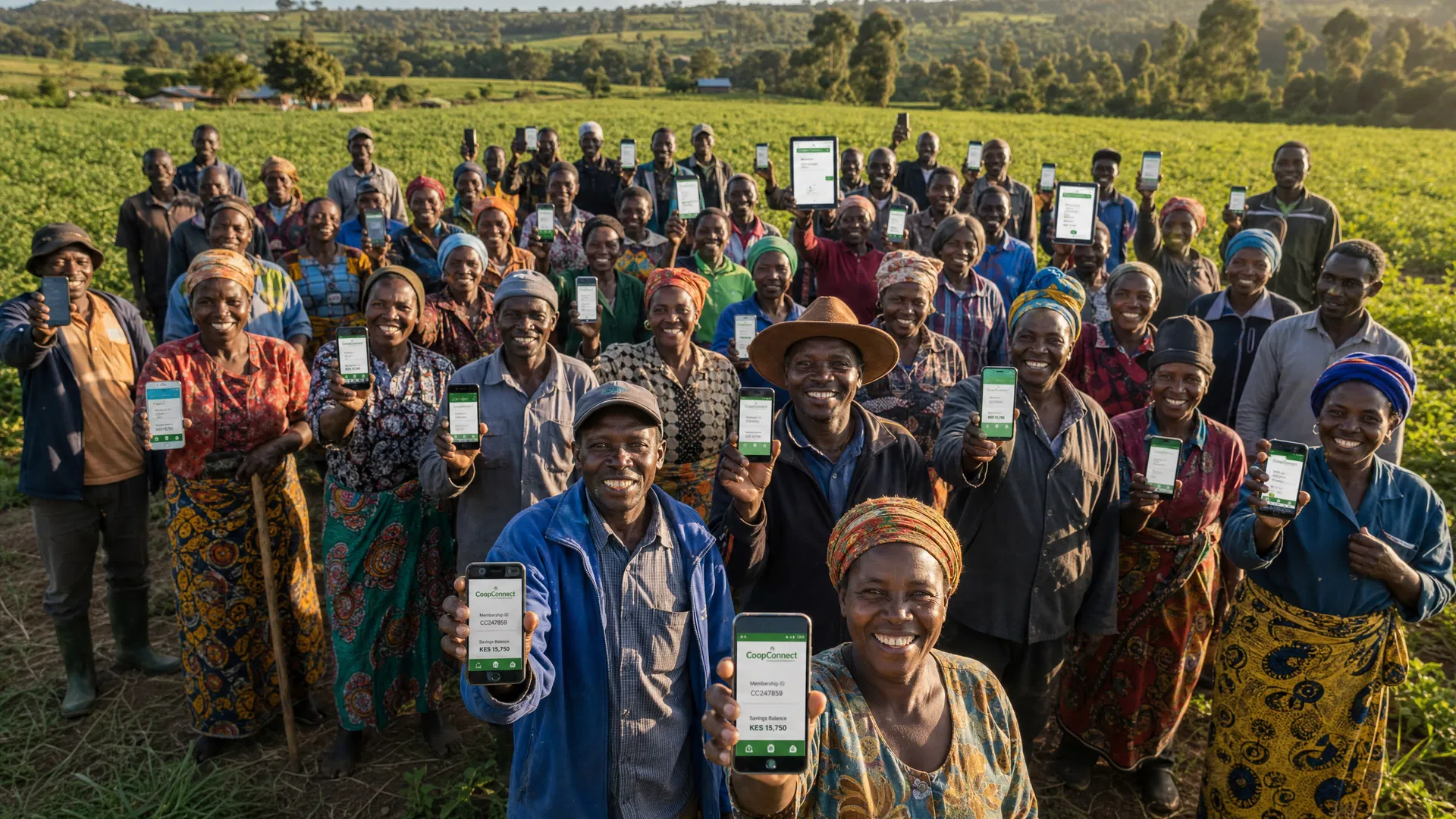
Cooperative farming networks have emerged as transformative agents in Africa’s agricultural landscape, catalyzing economic empowerment and food security for millions of smallholder farmers. These networks, often formed through collective ownership and shared resources, are increasingly leveraging digital platforms to enhance connectivity, market access, and governance. As Africa pursues a digital transformation agenda, integrating blockchain technology and asset tokenization into cooperative farming offers unprecedented opportunities to scale impact, increase transparency, and foster financial inclusion for over 10 million smallholders across the continent. Smallholder farmers constitute approximately 80% of Africa’s agricultural producers and are responsible for up to 90% of food production in sub-Saharan Africa. Yet, they face persistent challenges such as limited access to markets, credit, and modern inputs, which hinder productivity and income growth. In countries like Kenya, Nigeria, and Ghana, cooperative farming networks have traditionally played a critical role in pooling resources, sharing knowledge, and collectively marketing produce. However, these cooperatives often operate within fragmented systems characterized by low transparency and inefficiencies in governance and financial flows. Digital platforms are now bridging these gaps, enabling more efficient coordination and unlocking new value chains. In Kenya, Twiga Foods exemplifies how digital infrastructure can revolutionize cooperative farming networks. Twiga links thousands of smallholder farmers to urban markets via a mobile-based platform that streamlines ordering, logistics, and payments. By reducing intermediaries and transaction costs, Twiga has increased farmers’ earnings and ensured more consistent supply to retailers. Similarly, Nigeria’s AFEX Commodities Exchange has digitized agricultural commodity trading, providing farmers with real-time price information, warehouse receipts, and access to finance. These platforms illustrate how digital tools foster transparency, reduce market distortions, and enhance trust among cooperative members. Blockchain technology, in particular, holds transformative potential for cooperative farming networks by enabling secure, immutable records of ownership, transactions, and governance decisions. In a sector where land tenure is often informal and credit access constrained by lack of verifiable collateral, blockchain-based asset tokenization can formalize ownership and create digital assets that are tradable and can be used to secure financing. For example, tokenizing farm assets or cooperative shares allows farmers to fractionalize ownership and attract investment from diverse stakeholders, including diaspora communities and impact investors. This not only democratizes access to capital but also incentivizes more accountable and participatory governance within cooperatives. Beyond asset tokenization, blockchain-enabled cooperative governance can improve decision-making and dispute resolution by providing transparent voting mechanisms and auditable records. This mitigates risks of mismanagement and corruption, which have historically undermined cooperative effectiveness. In Ghana, pilot projects integrating blockchain for cooperative societies have demonstrated improved member engagement and transparency, fostering greater trust and sustainability. Moreover, digital identity solutions linked to blockchain can empower marginalized farmers with verifiable credentials, facilitating their inclusion in formal financial systems and social protection programs. The integration of financial inclusion tools within cooperative digital platforms further amplifies their impact. Mobile money and digital wallets have already revolutionized payments across Africa, with more than 548 million registered mobile money accounts in sub-Saharan Africa as of 2023. Embedding these payment systems into cooperative networks enables timely and secure transactions, reducing reliance on cash and informal credit. Additionally, platforms can integrate microinsurance products tailored to smallholders’ needs, mitigating risks associated with climate variability and crop failure. This holistic digital infrastructure supports smallholders across the value chain—from input procurement and farming practices to market access and financial services. Regional initiatives also underscore the importance of interoperable digital ecosystems for cooperative farming networks. The African Continental Free Trade Area (AfCFTA), for instance, aims to facilitate cross-border agricultural trade, which digital platforms can support by providing standardized data, traceability, and compliance verification. In East Africa, the integration of digital cooperative networks across Kenya, Uganda, and Tanzania is enabling farmers to access larger markets and share best practices. Such cross-border digital collaborations are critical for scaling cooperative impact and aligning with continental development goals. At AfriVest, we recognize that the future of African agriculture depends on empowering smallholders through robust digital infrastructure that integrates asset tokenization, cooperative governance, and financial inclusion. Our platform is designed to support cooperative farming networks by providing secure blockchain-based registries, transparent governance tools, and access to diversified funding sources through tokenized assets. By fostering cooperative ownership and participation, we help build resilient agricultural communities capable of adapting to market dynamics and climate challenges. Looking ahead, AfriVest envisions a digitally connected African agricultural ecosystem where millions of smallholder farmers are linked through cooperative networks that leverage blockchain technology for transparency and efficiency. Through strategic partnerships with governments, agritech innovators, and financial institutions, we aim to scale cooperative farming platforms that enhance productivity, promote equitable wealth distribution, and unlock new investment opportunities. By democratizing access to digital tools and financial resources, AfriVest is committed to advancing a more inclusive and sustainable agricultural economy that drives Africa’s broader digital transformation and economic development.
Related Articles
Continue exploring our research on Agriculture & Food Security. These related articles provide additional data, regional context, and institutional analysis to deepen your understanding of this sector's role in Africa's digital transformation.
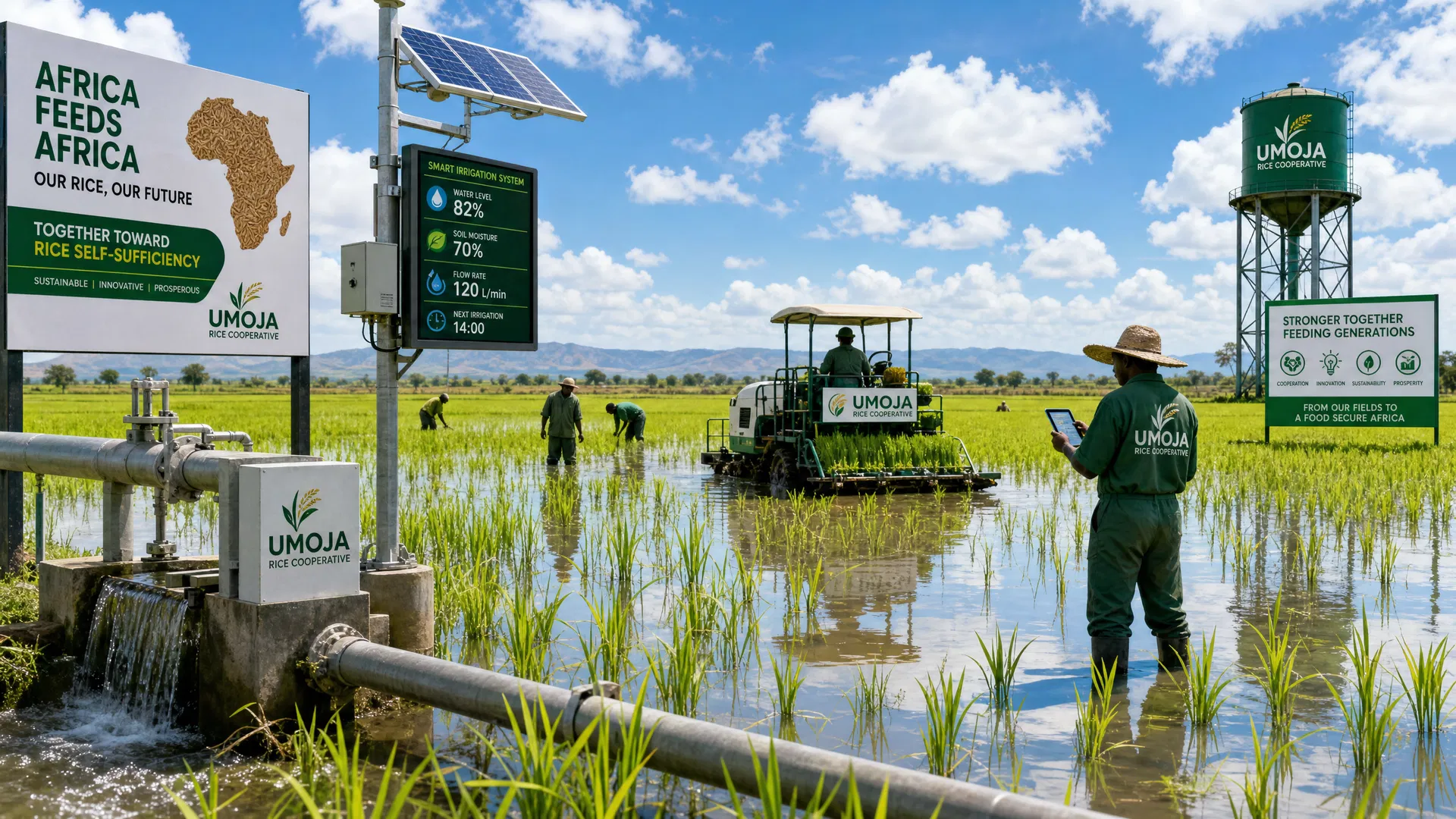
Rice Self-Sufficiency: How Digital Cooperatives Are Reducing Africa's Import Dependency
Discover how digital cooperatives and asset tokenization are transforming Africa's agricultural landscape to reduce rice import dependency. AfriVest explores the role of blockchain in empowering farmers and achieving food security.

Food Safety Certification: Blockchain-Verified Standards for African Exports
Blockchain technology is revolutionizing African agricultural exports by providing immutable food safety certification. AfriVest empowers farmers through digital infrastructure and asset tokenization.
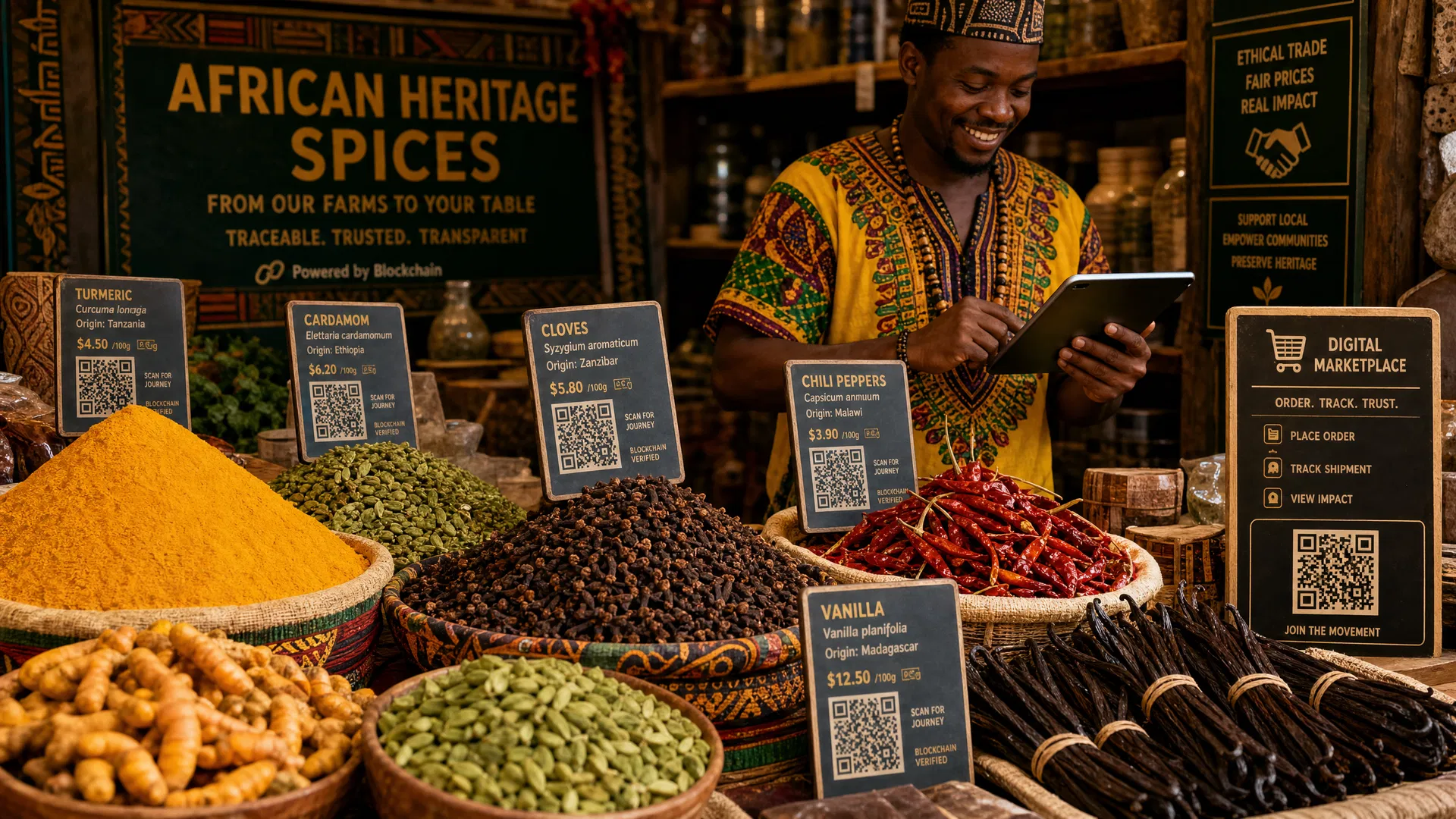
Digital Marketplaces for African Spices: Connecting Rural Producers to Premium Buyers
Africa’s spice trade faces challenges like limited market access and fair pay for small farmers. Digital tools and blockchain offer a chance to connect producers with premium buyers directly.
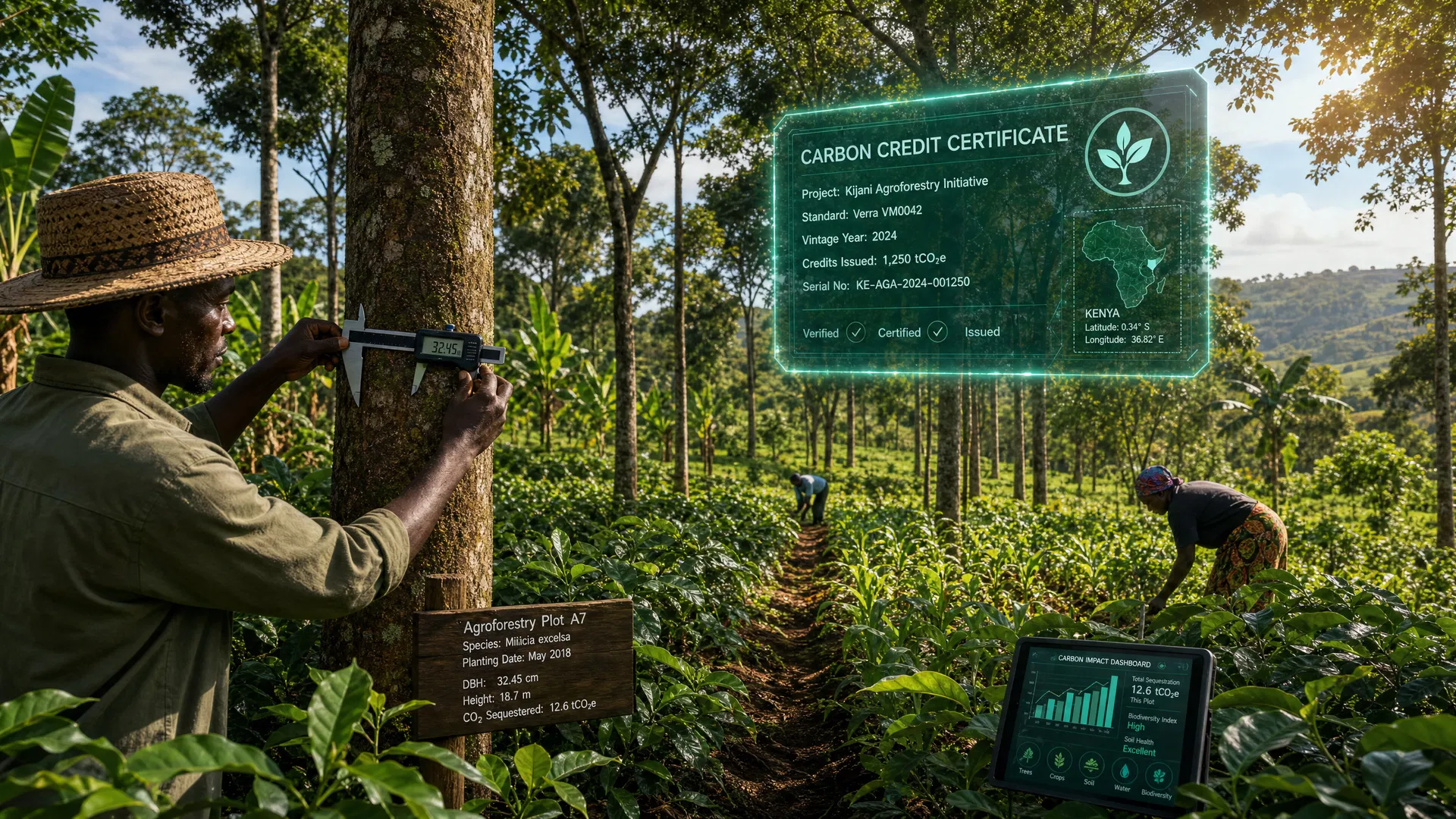
Agroforestry Carbon Credits: How African Farmers Can Monetize Sustainable Practices
Agroforestry offers African smallholder farmers a transformative opportunity to monetize sustainable practices through carbon credits. By leveraging blockchain tokenization, AfriVest empowers these communities to access global capital markets transparently and efficiently.