
Financial Inclusion through CBDCs: The East African Landscape
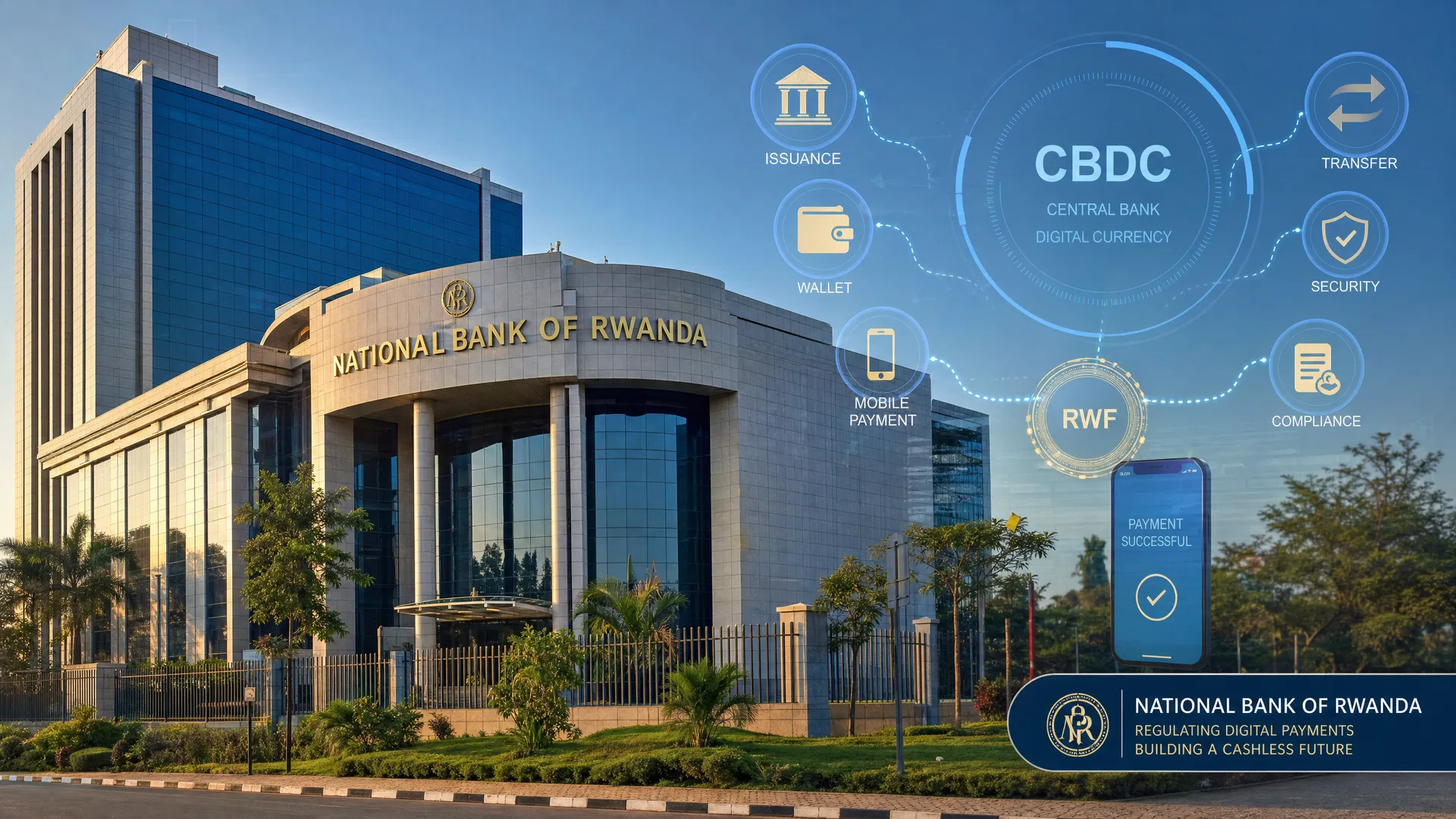
East Africa has long been recognized as a global pioneer in digital finance, largely driven by the unprecedented success of mobile money platforms like M-Pesa in Kenya. This robust digital infrastructure has significantly advanced financial inclusion across the region. However, as the global financial ecosystem evolves, Central Bank Digital Currencies (CBDCs) are emerging as the next frontier in digital monetary policy. For East Africa, the integration of CBDCs presents a unique opportunity to build upon its mobile money legacy, further bridging the gap for the unbanked population and enhancing regional economic integration.
This article explores the potential of CBDCs to drive financial inclusion in East Africa, examining the interplay between digital currencies and existing mobile money ecosystems, and the strategic considerations for policymakers and institutional investors.
---
The East African Digital Finance Context
To understand the potential impact of CBDCs in East Africa, one must first acknowledge the region's current financial landscape. Countries like Kenya, Tanzania, Uganda, and Rwanda have high mobile penetration rates and widespread adoption of mobile financial services. According to the GSMA, Sub-Saharan Africa accounts for nearly half of the world's mobile money accounts, with East Africa being a dominant contributor.
Despite this success, challenges remain. A significant portion of the population, particularly in rural and remote areas, still lacks access to formal banking services. High transaction costs for cross-border remittances and limited interoperability between different mobile money networks continue to hinder seamless financial integration. CBDCs offer a state-backed, digital alternative that could address these lingering inefficiencies.
---
How CBDCs Can Enhance Financial Inclusion
CBDCs, issued and regulated by central banks, hold several distinct advantages that can accelerate financial inclusion in East Africa:
1. Lowering Transaction Costs
One of the primary barriers to financial inclusion is the cost associated with traditional banking and even some mobile money transactions. A retail CBDC, designed as a digital public good, could facilitate low-cost or zero-cost peer-to-peer transfers and micro-payments. By reducing the friction and fees associated with digital transactions, CBDCs can make digital finance more accessible to low-income individuals.
2. Enhancing Interoperability
Currently, transferring funds between different mobile money operators or across borders in East Africa can be cumbersome and expensive. A well-designed CBDC could serve as a universal settlement asset, enabling seamless interoperability between various digital wallets and financial institutions. This would allow users to transact freely across different platforms, fostering a more cohesive financial ecosystem.
3. Facilitating Offline Transactions
In regions with unreliable internet connectivity or limited electricity, the ability to conduct offline transactions is crucial. Central banks exploring CBDCs are actively researching offline capabilities using technologies like near-field communication (NFC) or secure hardware elements. Implementing offline functionality would ensure that rural populations are not excluded from the digital economy.
4. Strengthening Trust and Security
As a direct liability of the central bank, a CBDC carries the highest level of trust and security, mitigating the counterparty risks associated with private digital currencies or commercial bank money. This state backing can increase public confidence in digital financial services, encouraging broader adoption among those who remain skeptical of the formal financial sector.
---
Integrating CBDCs with Mobile Money Ecosystems
The success of a CBDC in East Africa hinges on its integration with the existing mobile money infrastructure. Rather than competing with mobile network operators (MNOs) and fintech companies, central banks can adopt a two-tiered model. In this approach, the central bank issues the CBDC, while private sector entities—such as commercial banks and MNOs—distribute it and manage customer-facing services.
This collaborative model leverages the extensive distribution networks and customer service capabilities of mobile money providers. For instance, users could seamlessly convert their mobile money balances into CBDC and vice versa, utilizing the CBDC for specific use cases like cross-border remittances or government disbursements, while continuing to use mobile money for daily retail transactions.
---
Strategic Considerations and Challenges
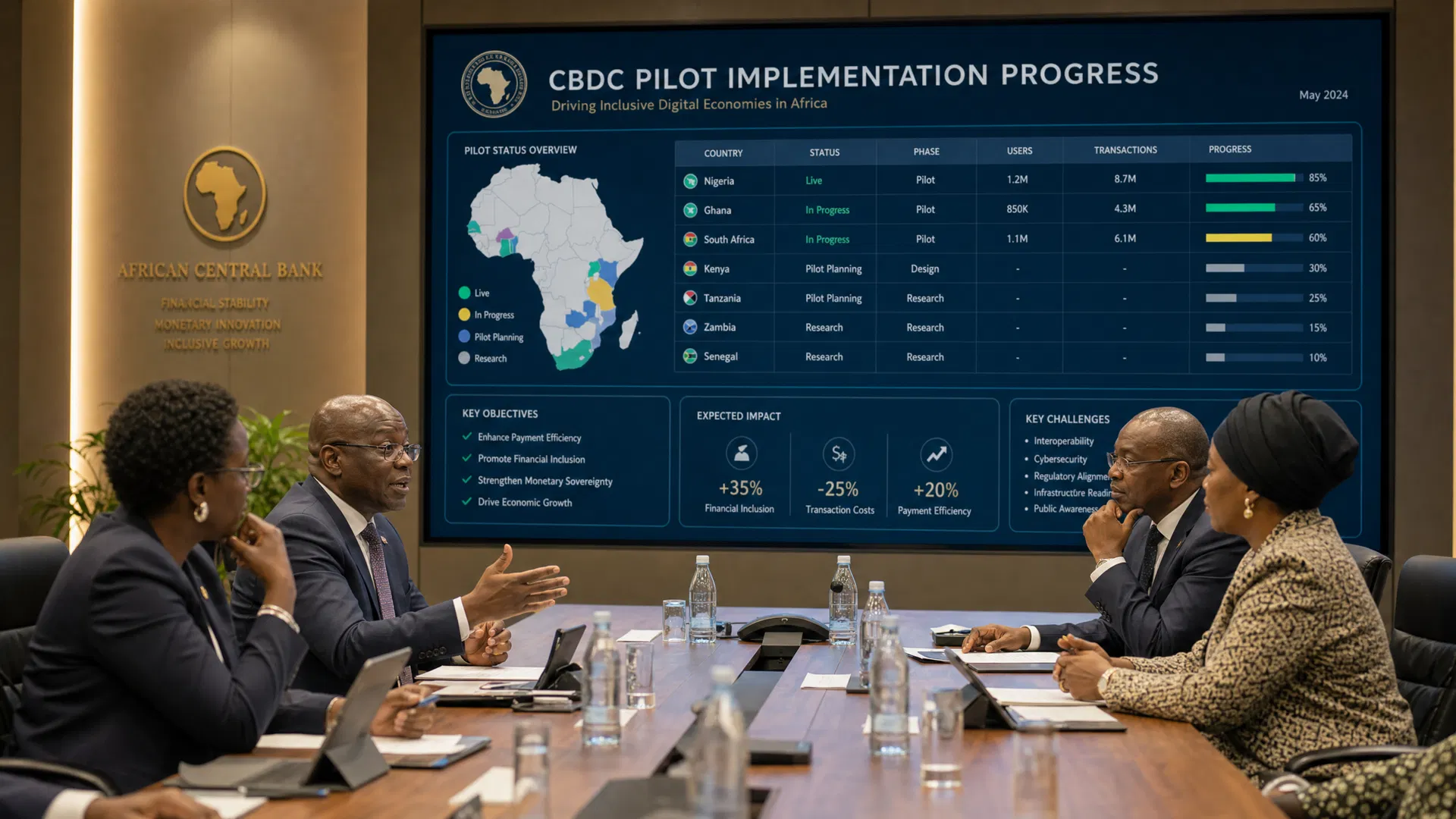
While the potential benefits are substantial, the deployment of CBDCs in East Africa requires careful navigation of several challenges:
- Regulatory Frameworks: Policymakers must develop robust regulatory frameworks that address data privacy, anti-money laundering (AML), and cybersecurity concerns without stifling innovation.
- Digital Literacy: Widespread adoption will require comprehensive public education campaigns to ensure that users understand how to safely and effectively use CBDCs.
- Infrastructure Investment: Upgrading the national payment infrastructure to support real-time, high-volume CBDC transactions is a significant undertaking that requires substantial investment.
---
Conclusion
For East Africa, CBDCs represent a logical progression in its digital finance journey. By building upon the strong foundation of mobile money, CBDCs have the potential to further democratize access to financial services, lower transaction costs, and enhance regional economic integration. As central banks in Kenya, Rwanda, and neighboring countries continue their research and pilot programs, the successful implementation of CBDCs could solidify East Africa's position as a global leader in financial inclusion and digital innovation. For institutional investors and stakeholders, this evolving landscape offers compelling opportunities to participate in the next wave of Africa's digital economic transformation.