
The Evolving Landscape of West Africa Digital Finance
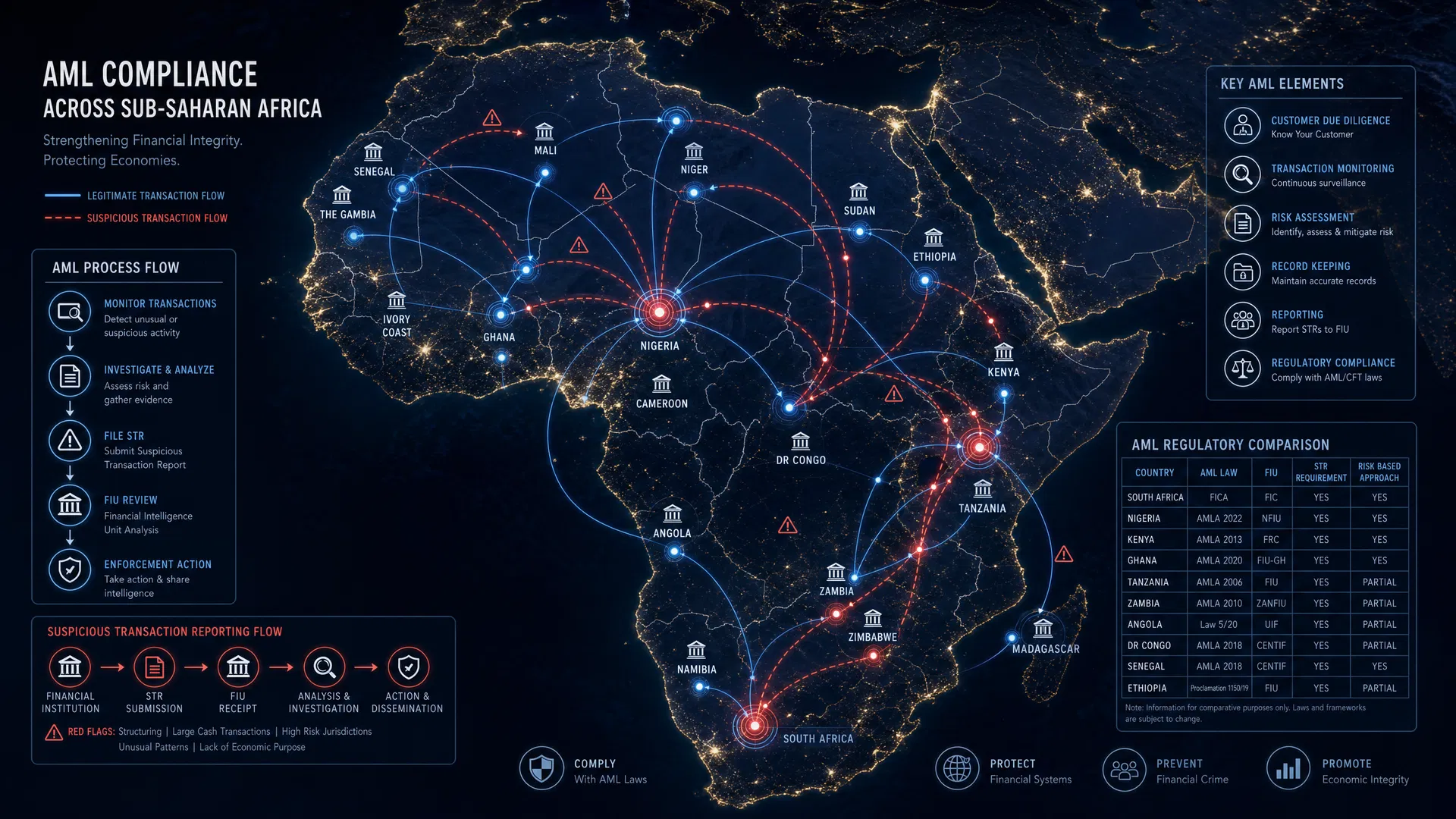
West Africa has emerged as a dynamic hub for financial technology, driven by a young population and increasing mobile penetration. The region's digital finance ecosystem is experiencing unprecedented growth, transforming how individuals and businesses conduct transactions. However, this rapid expansion brings significant regulatory scrutiny, particularly concerning anti-money laundering West Africa initiatives. As mobile money platforms and blockchain-based services proliferate, the need for robust compliance frameworks becomes increasingly critical. Policymakers are closely monitoring these developments to maintain the integrity of the financial system.
The integration of digital financial services into the broader economy has created new avenues for financial inclusion, but it has also introduced sophisticated risks. Financial institutions must navigate a complex web of local and international regulations designed to prevent illicit financial flows. The sheer volume and velocity of digital transactions make traditional monitoring systems inadequate, necessitating advanced technological solutions. Consequently, AML compliance has shifted from a mere regulatory obligation to a strategic imperative for entities scaling operations in the region.
Navigating Complex Fintech Regulation Across Borders
One significant hurdle for digital finance providers in West Africa is the fragmented nature of fintech regulation. The region comprises multiple sovereign states, each with its own central bank and regulatory framework. This lack of harmonization creates a labyrinth of compliance requirements that can stifle innovation and deter foreign investment. For instance, a digital payment platform operating across multiple countries must tailor its compliance protocols to meet distinct legal standards. This regulatory fragmentation complicates the implementation of unified compliance strategies.
To address these challenges, regional bodies are increasingly advocating for standardized regulatory approaches. However, the pace of technological advancement often outstrips the speed of legislative reform, leaving regulatory gaps that malicious actors can exploit. Policymakers face the delicate balancing act of fostering financial innovation while safeguarding the economy against systemic risks. For institutional investors, understanding the nuances of fintech regulation in each target market is essential for assessing the viability of potential investments.
Key AML Compliance Hurdles for Emerging Platforms
Implementing effective AML compliance programs remains a formidable challenge for emerging digital finance platforms in West Africa. One primary obstacle is the lack of reliable identity verification infrastructure, which is foundational to Know Your Customer processes. Many citizens in the region still lack formal identification documents, making it difficult for financial institutions to accurately verify user identities. This deficiency forces platforms to rely on alternative, often less secure, methods of verification, thereby increasing the risk of onboarding individuals involved in illicit activities.
Another critical hurdle is the scarcity of specialized compliance talent within the region. As regulatory expectations intensify, there is a growing demand for professionals who possess a deep understanding of both financial technology and AML compliance requirements. The current talent pool is often insufficient to meet this demand, leading to a reliance on automated systems that may lack the nuanced judgment required for complex investigations. Additionally, the dynamic nature of financial crimes means that compliance teams must continuously update their knowledge and tools.
CFT Challenges in a Cash-Heavy Digital Transition
Combating the financing of terrorism presents unique CFT challenges in a region transitioning from a cash-based economy to a digital one. While digital finance offers greater traceability compared to cash, the coexistence of both systems creates vulnerabilities that terrorist organizations can exploit. Funds can easily be moved between the formal digital economy and the informal cash economy, obscuring the origin and destination of illicit money. This hybrid financial environment complicates the efforts of authorities to track and intercept terrorist financing networks effectively.
To mitigate these risks, financial institutions must deploy sophisticated transaction monitoring systems capable of detecting anomalous patterns indicative of terrorist financing. However, distinguishing between legitimate remittances and illicit transfers is often difficult, given the high volume of cross-border transactions driven by the region's large diaspora. False positives can lead to the freezing of legitimate accounts, undermining public trust in digital financial services. Therefore, a nuanced approach combining advanced data analytics with localized intelligence is essential to strengthen the region's defenses.
Leveraging Blockchain and Tokenization for Enhanced Security
The advent of blockchain technology and tokenization offers promising solutions to the persistent compliance challenges facing West Africa's digital finance sector. Blockchain's inherent characteristics, including immutability and transparency, make it an ideal foundation for building secure financial infrastructure. By recording transactions on a decentralized ledger, financial institutions can create an unalterable audit trail that significantly enhances the efficacy of compliance efforts. This transparency allows regulators to track the flow of funds in real-time, identifying suspicious activities with unprecedented accuracy.
For institutional investors, the integration of blockchain technology represents a paradigm shift in risk management and operational efficiency. Smart contracts can automate complex compliance processes, such as identity verification and transaction reporting, reducing the reliance on manual intervention and minimizing human error. This automation lowers compliance costs and ensures consistent adherence to regulatory standards across different jurisdictions. As West Africa continues its digital economy transformation, the strategic adoption of blockchain and tokenization will be instrumental in creating a secure financial ecosystem.
Conclusion: Building Resilient Digital Infrastructure for the Future
The future of West Africa digital finance depends on resolving existing AML/CFT compliance challenges. As the region accelerates its transition toward a fully digital economy, establishing robust and secure digital infrastructure is paramount. Stakeholders must collaborate to harmonize fintech regulation and develop innovative compliance solutions.
The integration of advanced technologies, particularly blockchain, will play a pivotal role in fortifying the financial system against illicit activities. By prioritizing compliance and security, West Africa can unlock its digital economy's full potential, attracting institutional investment and driving economic growth.