The Dawn of Digital Finance in Southern African Agriculture
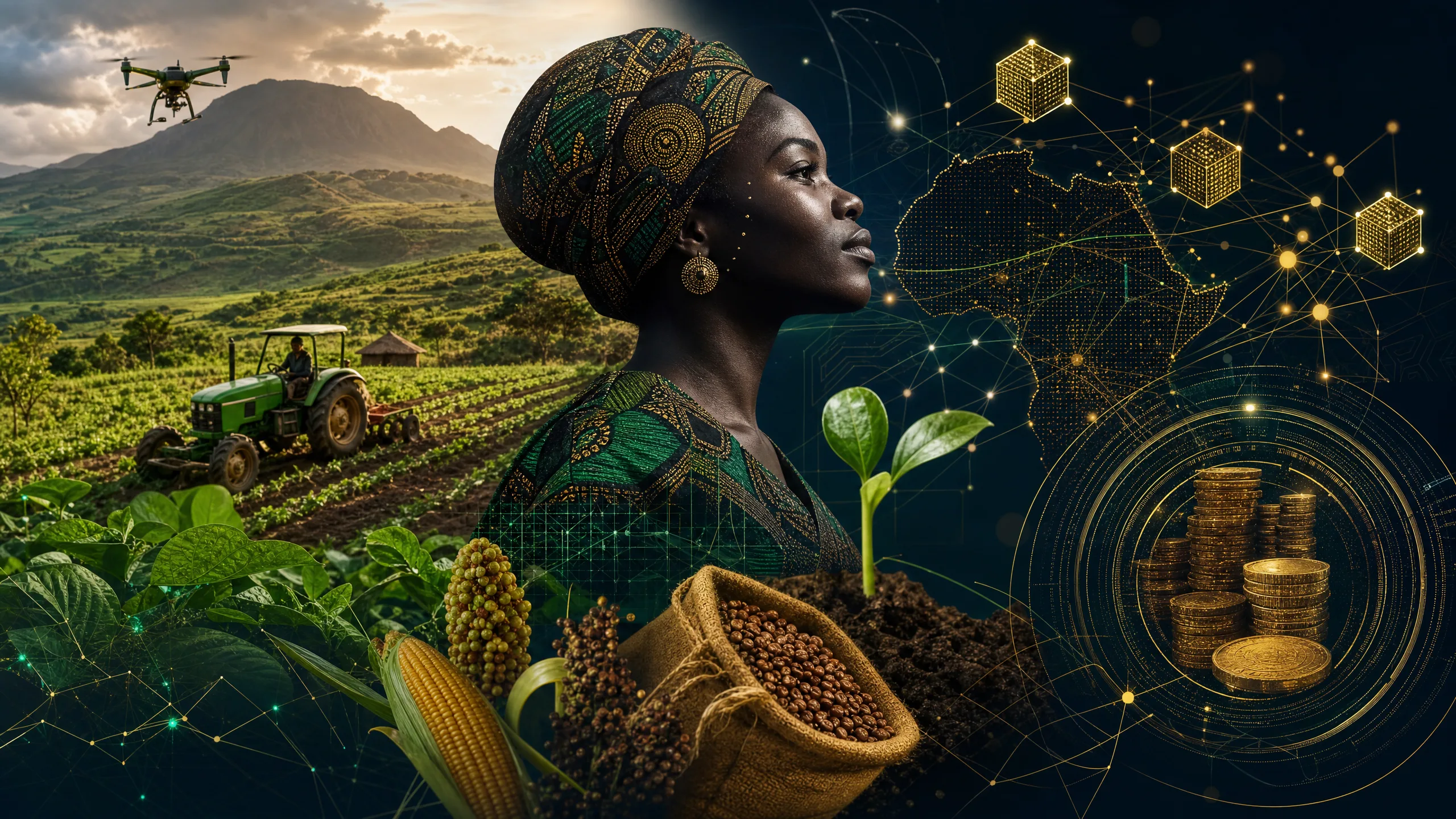
Agriculture remains the backbone of the Southern African economy, employing millions. Despite its critical importance, the sector has historically struggled with systemic inefficiencies, lack of capital, and fragmented supply chains. However, the emergence of digital finance farming solutions is reshaping this landscape, offering unprecedented opportunities for modernization. By integrating advanced financial technologies, stakeholders are bridging the gap between traditional farming and the global digital economy.
The integration of blockchain agriculture Africa initiatives is a catalyst for this paradigm shift, enabling greater transparency and efficiency. Digital platforms are facilitating seamless transactions, reducing reliance on intermediaries, and ensuring fair compensation for produce. Furthermore, these technologies provide a robust foundation for data-driven decision-making, allowing agricultural enterprises to optimize resource allocation. As digital finance penetrates the agricultural sector, it lays the groundwork for a more resilient food system.
Overcoming Traditional Farming Challenges with Blockchain
For decades, farmers in Southern Africa have faced insurmountable hurdles related to land tenure, supply chain traceability, and access to credit. Traditional financial institutions often view the agricultural sector as high-risk, resulting in exorbitant interest rates and stringent collateral requirements. Blockchain technology offers a compelling solution to these entrenched problems by providing an immutable, decentralized ledger for recording transactions. Through smart contracts, agricultural agreements can be executed automatically when predefined conditions are met, reducing administrative overhead.
Moreover, the application of blockchain agriculture Africa solutions enhances supply chain traceability. Consumers and regulators increasingly demand verifiable information regarding the origin, quality, and sustainability of agricultural products. Blockchain enables the creation of transparent supply chains where every step is recorded and easily accessible. By addressing these fundamental challenges, blockchain technology empowers farmers to participate more actively and profitably in the global agricultural market.
Tokenization: Unlocking Capital for Agricultural Assets
One of the most revolutionary developments in the intersection of technology and agriculture is the tokenization of real-world assets. Tokenization agriculture Southern Africa initiatives are transforming illiquid agricultural assets, such as land and future crop yields, into digital tokens traded on blockchain networks. This process democratizes access to investment opportunities, allowing local and international investors to purchase fractional ownership in agricultural enterprises. By lowering the barrier to entry, tokenization injects much-needed liquidity into the sector, enabling farmers to raise capital.
The impact of tokenization extends beyond simple capital formation; it fundamentally alters the risk-reward dynamics of agricultural investments. Investors can diversify their portfolios by holding tokens representing various agricultural assets. Furthermore, the transparent nature of blockchain ensures that investors have real-time visibility into the performance and valuation of their underlying assets. For farmers, tokenization agriculture Southern Africa provides a flexible alternative to high-interest loans, aligning the interests of producers and investors.
Cooperative Economics and Decentralized Agricultural Networks
The concept of cooperative economics has deep historical roots in African agriculture, where communal farming and shared resources are essential for prosperity. Today, digital technologies are revitalizing these traditional models, creating decentralized networks that empower farming communities on an unprecedented scale. Cooperative economics agriculture, facilitated by blockchain and digital finance, allows farmers to pool resources and collectively negotiate better prices. Decentralized Autonomous Organizations are emerging as a modern iteration of agricultural cooperatives, providing a transparent and democratic governance structure.
These digital cooperatives are highly effective in addressing the economies of scale that often disadvantage individual smallholder farmers. By aggregating their produce, members of a decentralized network can fulfill large contracts with institutional buyers, securing more stable revenue streams. Additionally, cooperative economics agriculture enables the shared financing of expensive technological infrastructure. The integration of digital finance farming solutions within these networks ensures that financial transactions are secure, instantaneous, and fully auditable.
Regulatory Frameworks and Institutional Investment Opportunities
The rapid advancement of digital finance and blockchain technology in the agricultural sector necessitates the development of robust and adaptive regulatory frameworks. Policymakers in Southern Africa are increasingly aware of the need to balance innovation with consumer protection and systemic stability. Establishing clear guidelines for the issuance and trading of agricultural tokens is crucial for attracting institutional capital. A well-defined regulatory environment provides the legal certainty required by pension funds and private equity firms to invest confidently.
Institutional investors are uniquely positioned to capitalize on the transformation of Southern African agriculture through these emerging technologies. The convergence of digital finance farming and tokenization presents a compelling asset class that offers attractive risk-adjusted returns and significant environmental, social, and governance benefits. Investments in blockchain-enabled agricultural infrastructure not only generate financial yield but also contribute to food security and climate resilience. As the regulatory landscape matures, we expect a surge in institutional capital flowing into the African digital economy agriculture sector.
Conclusion: Building the Future of the African Digital Economy
The intersection of blockchain, tokenization, and digital finance is fundamentally reshaping the agricultural landscape of Southern Africa. By addressing historical inefficiencies and unlocking new sources of capital, these technologies are empowering farmers and driving sustainable economic development. The successful integration of blockchain agriculture Africa initiatives demonstrates the immense potential of digital innovation to solve real-world challenges and create tangible value. As the region embraces these transformative tools, it is laying the foundation for a more inclusive and resilient agricultural sector.
Looking ahead, the continued expansion of the African digital economy agriculture ecosystem will depend on sustained investment in digital infrastructure and human capital. Policymakers, technologists, and investors must work collaboratively to ensure that the benefits of digital finance farming are accessible to all stakeholders. The tokenization agriculture Southern Africa movement represents just the beginning of a broader digital revolution that will redefine the continent's economic trajectory. By harnessing advanced financial technologies, Southern Africa is well-positioned to become a global leader in sustainable agricultural production.