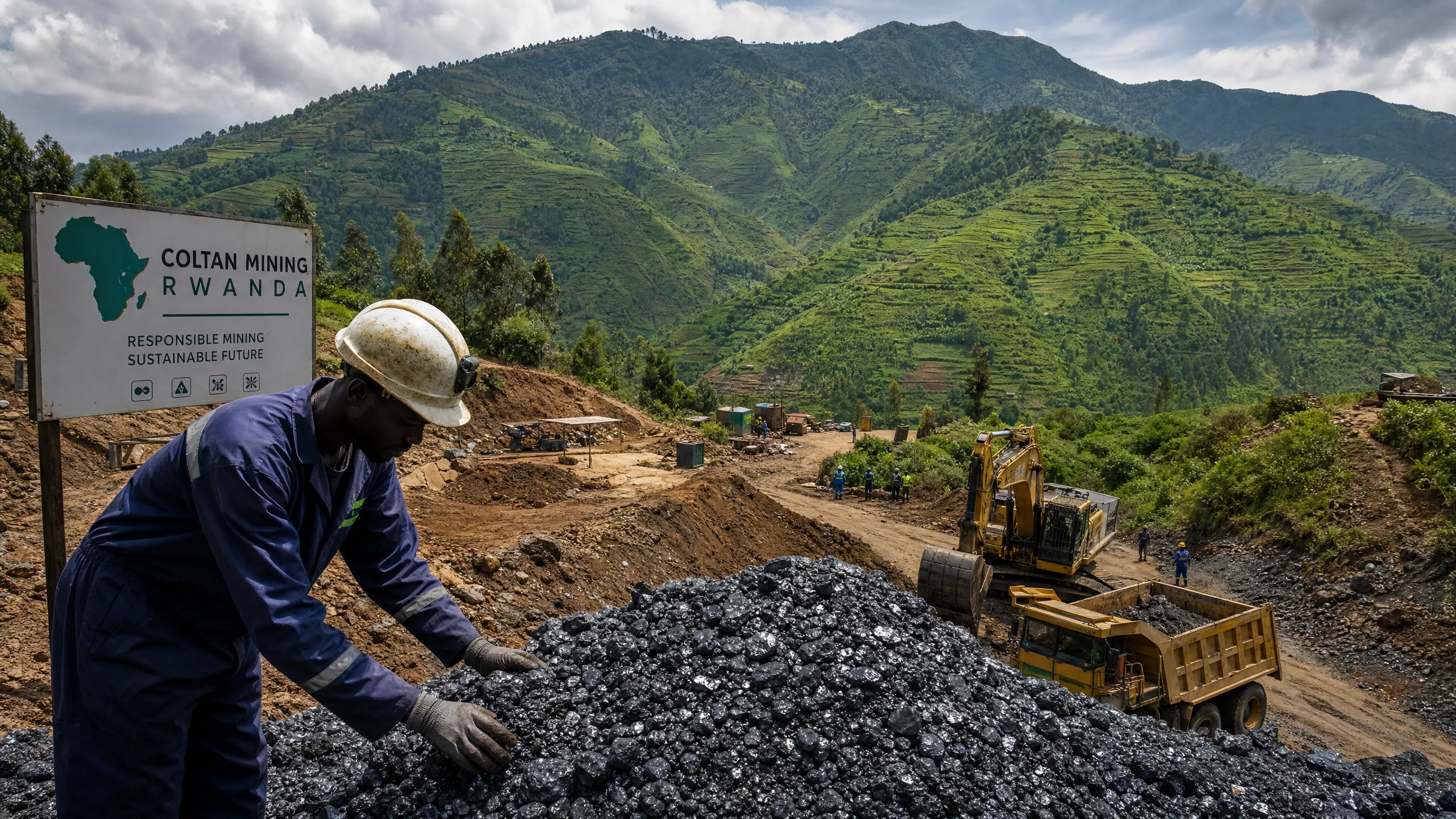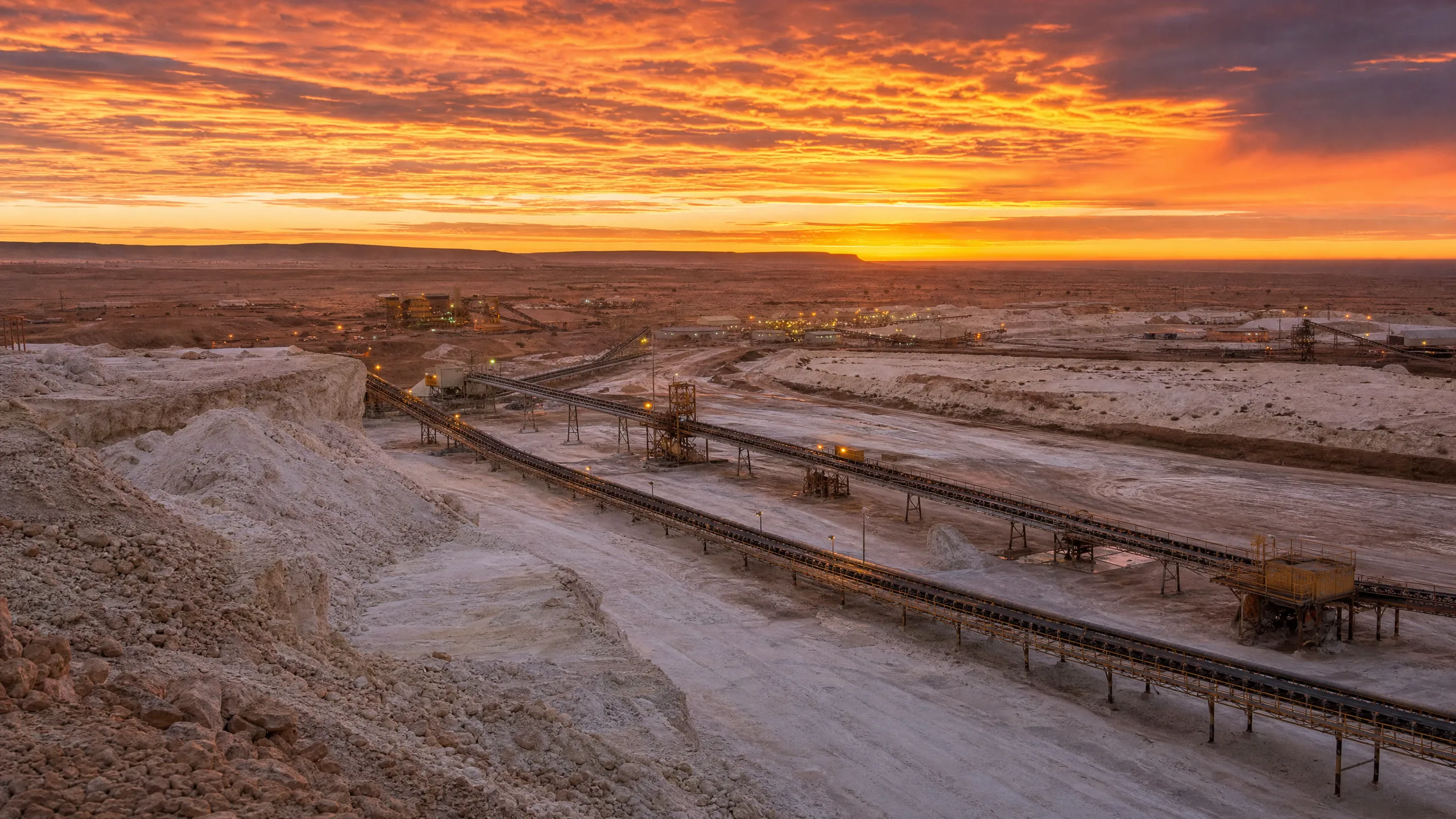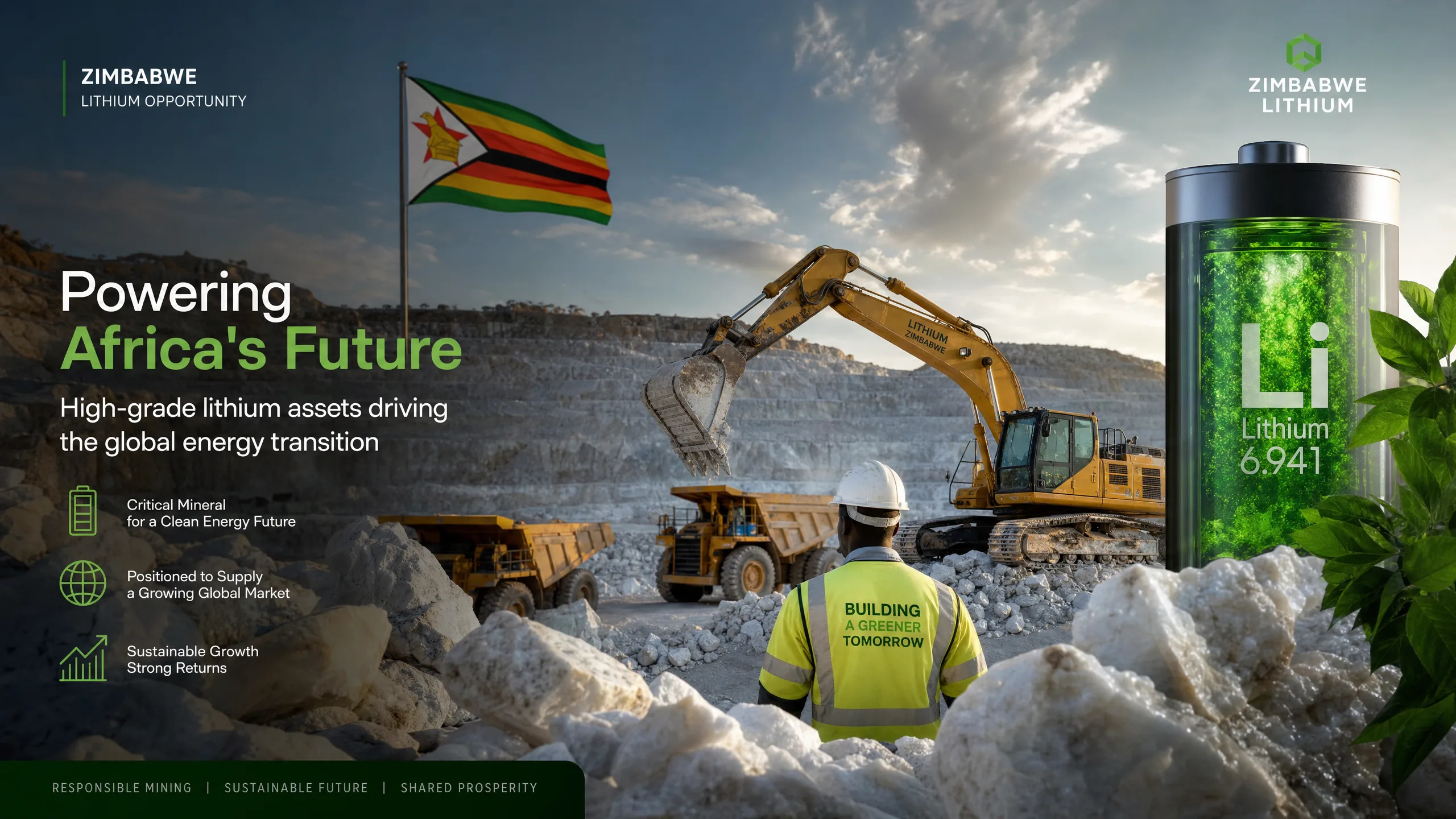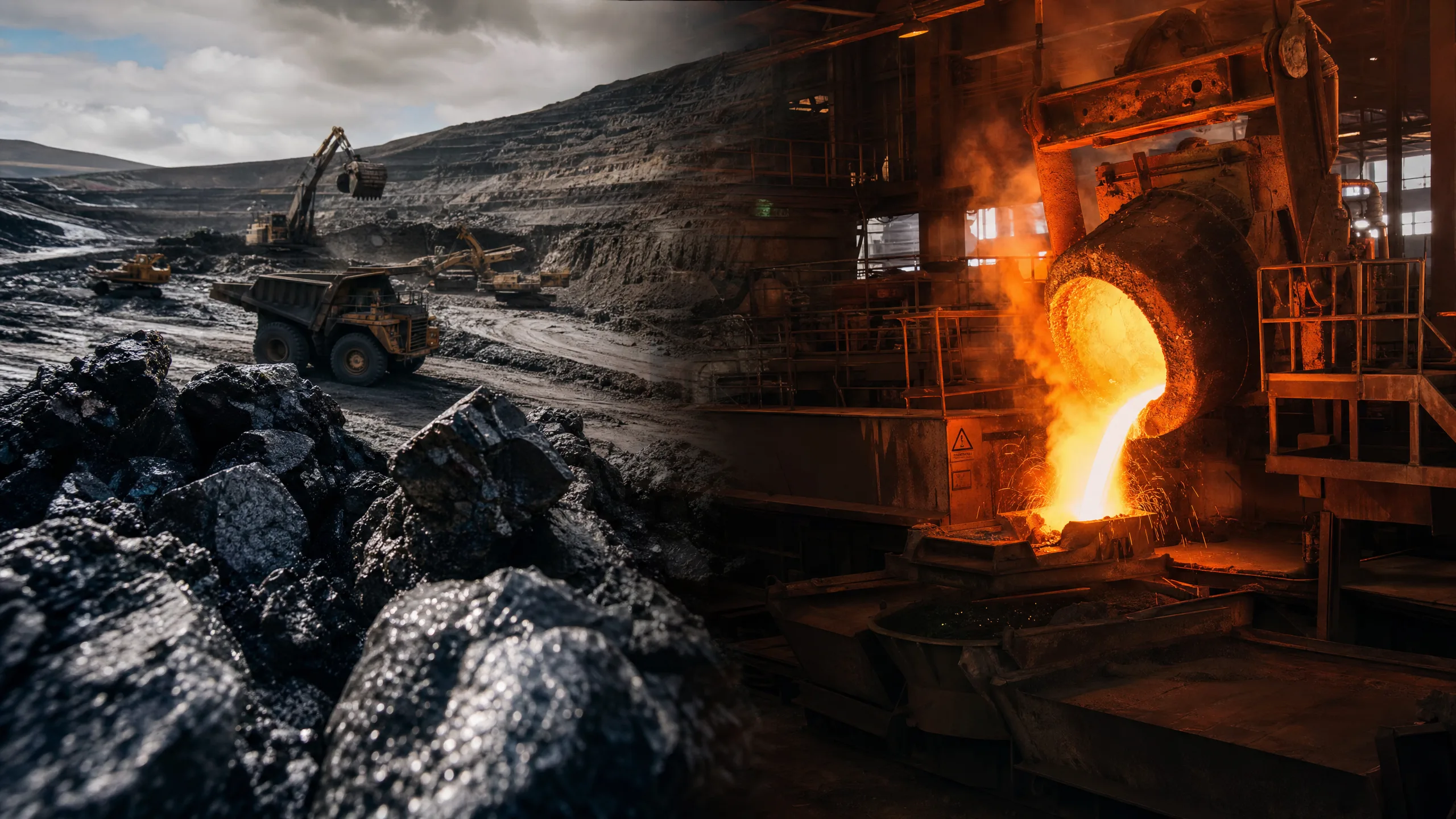
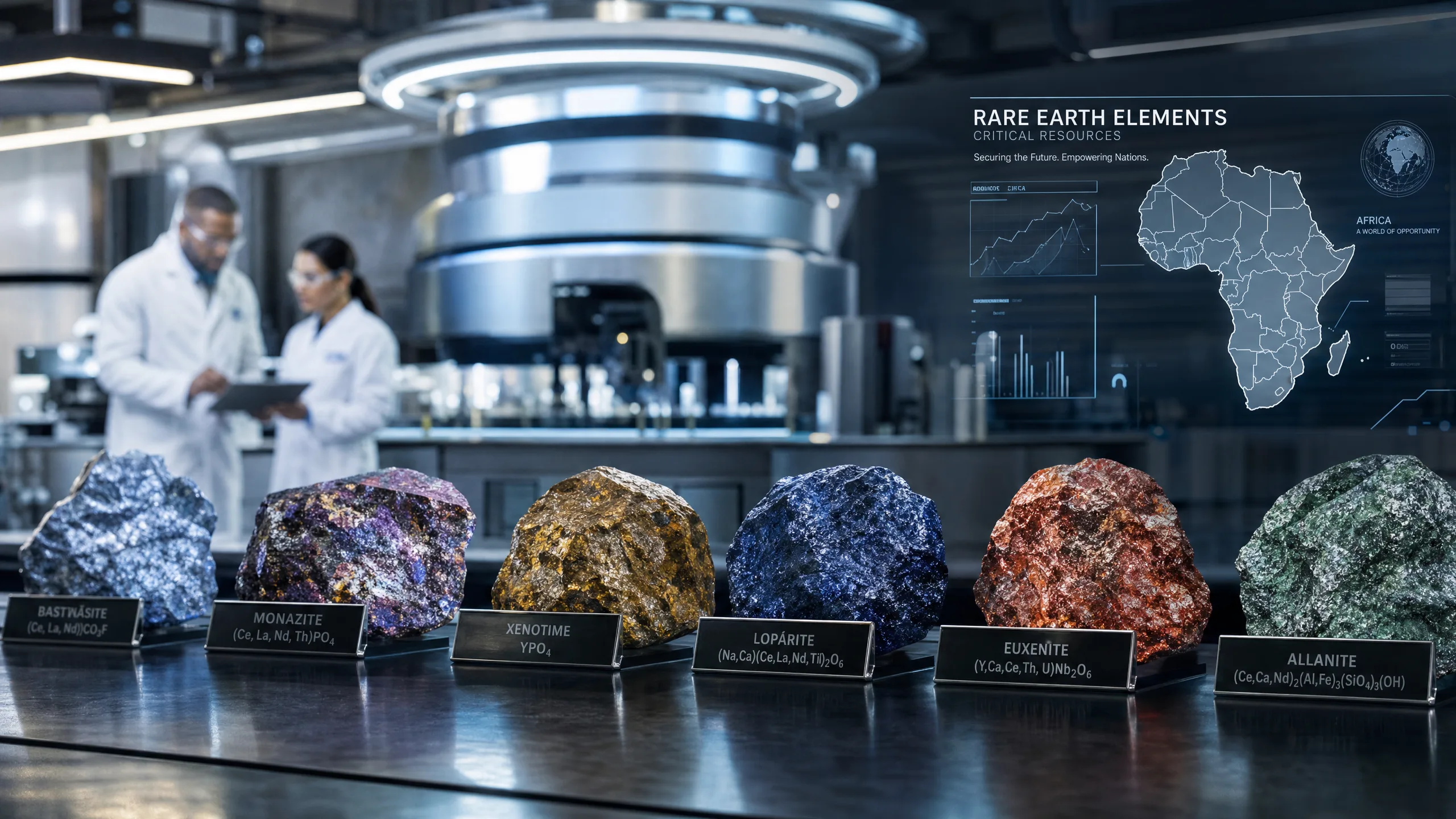
The global transition to green energy and advanced technology is driving an unprecedented demand for rare earth elements (REEs). These 17 critical metals are the lifeblood of modern innovation, essential for manufacturing everything from electric vehicle (EV) batteries and wind turbines to smartphones and national defense systems. By 2030, global demand for rare earths is forecast to reach 315,000 metric tons, a massive increase from the 125,000 metric tons consumed in 2021 [1]. While China currently dominates the market, controlling 60% of global production and 85% of processing capacity, geopolitical tensions and supply chain vulnerabilities are prompting a global search for alternative sources [1]. Africa, with its vast and largely untapped mineral wealth, is rapidly emerging as the new frontier for rare earth elements, presenting a $15 billion opportunity for institutional investors and policymakers.
The Untapped Potential of African Rare Earths
Despite its immense geological wealth, Africa's rare earth sector remains largely underexplored. In 2021, the mining exploration budget in sub-Saharan Africa was roughly half that of Latin America, Australia, and Canada, despite the continent having triple the surface area of Canada and Australia [1]. However, this narrative is quickly changing. With up to eight rare earth projects set for commissioning across the continent by 2029, Africa is projected to boost its share of the global mined supply chain to 10% [2].
This surge in development is driven by the continent's rich deposits of highly sought-after elements like neodymium, praseodymium, dysprosium, and terbium. These elements are critical for producing rare earth permanent magnets (REPMs), which are indispensable for wind turbines and EV motors [3]. As Western nations and multinational corporations seek to diversify their supply chains away from China, Africa offers a strategic and economically viable alternative, characterized by lower capital and operational expenditure requirements compared to other ex-China projects [3].
Key Projects Driving the African REE Boom
Several landmark projects across the continent highlight Africa's growing prominence in the global rare earth market. These initiatives not only underscore the region's geological potential but also demonstrate the increasing influx of international capital and expertise.
In South Africa, the Steenkampskraal Mine boasts one of the highest grades of rare earth elements globally. The mine contains 15 elements and an estimated 86,900 tons of total rare earth oxides, with significant deposits of neodymium and praseodymium [1]. Furthermore, South African asset manager Novare recently signed a R1.8 billion agreement with American firm ReElement Technologies to develop a rare earth refining and battery manufacturing facility, signaling a crucial move toward value addition within the continent [2].
Angola is also making significant strides. The Longonjo Project, developed by British firm Pensana, recently secured an $80 million loan to expedite its rollout. This project is expected to supply 5% of the world's magnet metal rare earths demand, playing a pivotal role in the global green energy transition [2]. By 2029, Angola is projected to contribute 23% to total African PrNd (praseodymium and neodymium) supply [3].
In Namibia, the Lofdal Project, a joint venture between Namibia Critical Metals and the Japan Organization for Metals and Energy Security, recently completed a production pilot. This project is particularly notable as it is one of only two xenotime-type heavy rare earth deposits currently under development worldwide, producing 2,000 tons per year of rare earth oxides, including highly valuable dysprosium and terbium [1] [2].
Strategic Investments and Global Partnerships
The strategic importance of Africa's rare earth elements has not gone unnoticed by global investors and policymakers. Billionaires Jeff Bezos and Bill Gates have injected $537 million into exploration and mine development through the mining startup KoBold Metals, further accelerating Africa's rare earth ambitions [2]. This influx of capital is essential for moving projects from exploration to production and establishing the necessary infrastructure for processing and refining.
While China remains a significant player—Tanzania, for instance, is expected to send all its rare earths output to Chinese processors by 2029—the majority of African rare earth ores remain potentially available for ex-China and Western companies [3]. Currently, all eight projects in the African pipeline are being developed by companies registered in Western countries, highlighting the strategic pivot toward Africa as a reliable alternative supply source [3].
The Economic Impact and Value Addition
For African nations, the rare earth boom presents a transformative economic opportunity. Because modern mining is highly capital-intensive, the primary benefit of these resources lies in the revenue they generate rather than direct job creation [1]. To maximize these benefits, governments must focus on value addition—processing and refining the ores domestically rather than exporting raw materials.
Initiatives like the proposed African Units of Account (AUA), a new currency backed by Africa's critical mineral reserves, could help stabilize regional currency markets and attract more international investment in green energy projects [2]. By leveraging the African Continental Free Trade Area (AfCFTA), countries can build regional value chains, enhancing their negotiating power and ensuring that a larger share of the wealth generated by rare earth mining remains within the continent.
Conclusion: Tokenization and the Digital Infrastructure Opportunity
As Africa positions itself as a critical node in the global rare earth supply chain, the integration of digital infrastructure and asset tokenization presents a forward-looking opportunity to democratize access to this $15 billion market. Platforms like AfriVest are at the forefront of this transformation, digitizing Africa's assets and enabling institutional investors to participate in the continent's growth with unprecedented transparency and efficiency. By tokenizing rare earth mining projects and related infrastructure, we can unlock new avenues for capital formation, mitigate risks, and ensure that the wealth generated by the green energy transition drives sustainable development across the African continent. The future of technology relies on rare earth elements, and Africa is ready to deliver.
References
[1] [Could Africa replace China as the world’s source of rare earth elements?](https://www.brookings.edu/articles/could-africa-replace-china-as-the-worlds-source-of-rare-earth-elements/)
[2] [African Rare Earth Projects Advance Amid Rising Global Demand](https://african-miningweek.com/news/african-rare-earth-projects-advance-amid-rising-global-demand)
[3] [Rise of African rare earths bolsters supply pipeline for China and the West](https://source.benchmarkminerals.com/article/rise-of-african-rare-earths-bolsters-supply-pipeline-for-china-and-the-west)