
The vast mineral wealth of East and Central Africa has long been a double-edged sword, driving economic potential while simultaneously fueling illicit trade and regional instability. For decades, the porous borders between the Democratic Republic of the Congo (DRC), Rwanda, Uganda, Kenya, and Tanzania have served as conduits for the smuggling of critical minerals such as gold, cobalt, copper, and tantalum. The United Nations and various human rights organizations estimate that illicit mineral smuggling costs the DRC alone hundreds of millions of dollars annually, with some conservative estimates placing the loss at over $22 million per year just from artisanal mining sectors. This illicit flow not only deprives governments of vital tax revenue but also perpetuates conflict by financing non-state armed groups. However, a transformative shift is underway. The emergence of digital trade corridors, underpinned by blockchain technology and asset tokenization, is fundamentally altering the landscape of cross-border mineral trade in Africa, replacing opacity with unprecedented transparency and accountability.
Digital corridors represent a modern electronic framework that connects economic operators, logistics providers, and regulatory agencies, enabling the real-time exchange of trusted trade data. Unlike traditional paper-based systems, which are highly susceptible to forgery, bribery, and human error, digital corridors utilize Application Programming Interfaces (APIs), regional data exchange protocols, and secure trust frameworks to harmonize procedures across borders. Initiatives like the Lobito Corridor, which connects the mineral-rich heartlands of the DRC and Zambia to global markets via the Atlantic Port of Lobito in Angola, are already integrating digital clearance systems to simplify documentation and reduce processing times. By digitizing customs procedures and regulatory coordination, these corridors significantly mitigate the opportunities for fraud and misreporting that have historically facilitated smuggling.
At the core of this digital transformation is blockchain technology, which provides an immutable, decentralized ledger for tracking the origin, ownership, and transfer of minerals. When integrated into digital trade corridors, blockchain ensures that every step of a mineral's journey—from the mine to the export terminal—is recorded transparently and cannot be altered retroactively. This level of traceability is crucial for combating the smuggling of conflict minerals. For instance, gold mined in the eastern DRC can be digitally tagged and tracked as it moves through transit hubs in Uganda or Rwanda. If a shipment lacks the verified digital provenance recorded on the blockchain, it can be immediately flagged by customs authorities, making it exceedingly difficult for smuggled minerals to enter legitimate global supply chains. This digital provenance not only deters illicit trade but also satisfies the growing demand from international buyers and regulators for ethically sourced materials.
Building upon the foundation of blockchain traceability is the revolutionary concept of asset tokenization. Tokenization involves converting physical assets, such as a specific quantity of copper or cobalt, into digital tokens on a blockchain. The Africa Minerals Strategy Group (AMSG), through its Africa Minerals Tokenization Initiative (AMTI), is pioneering this approach to unlock the economic potential of the continent's resources. By tokenizing mineral reserves, African nations can create tradable digital assets backed by real-world commodities. This process democratizes access to investment, allowing global capital to flow directly into African mining projects without the need for traditional, often opaque, intermediaries. Furthermore, tokenization ensures that the value generated from these resources remains within the continent, fostering local economic development and reducing the reliance on extract-and-export models that have historically marginalized African economies.
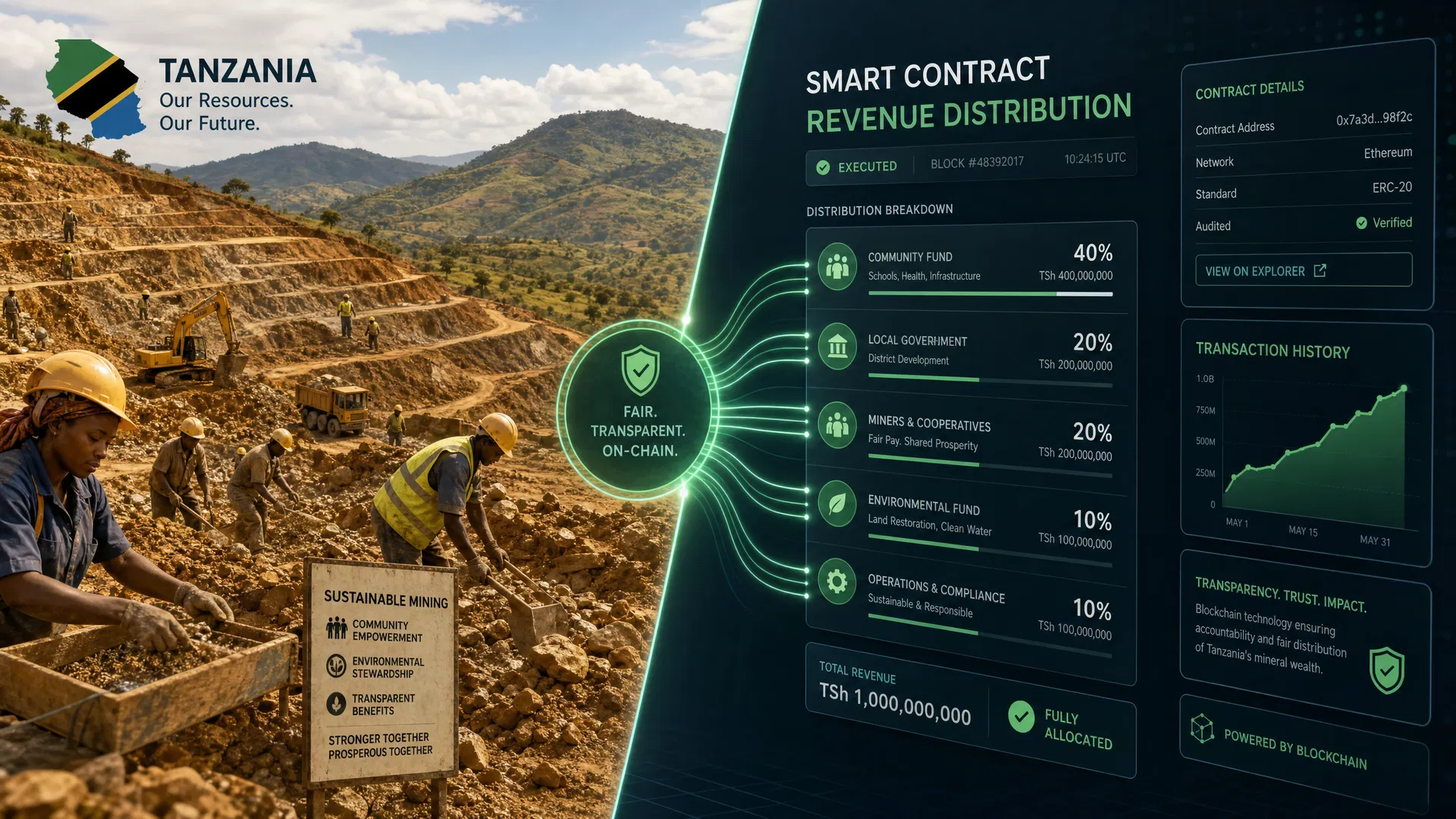
The integration of tokenization within digital corridors creates a robust ecosystem that directly counters the economic incentives of smuggling. In traditional informal markets, smugglers exploit price disparities and evade taxes to maximize profits. However, tokenized minerals, traded on secure digital platforms, offer a more efficient, transparent, and globally competitive market. Smart contracts—self-executing contracts with the terms of the agreement directly written into code—can automate compliance, ensuring that taxes and royalties are automatically deducted and routed to the appropriate government agencies upon the transfer of tokens. This automated fiscal compliance ensures that governments capture their rightful share of mineral wealth, which can then be reinvested into national infrastructure and social programs.
Moreover, digital corridors and tokenization empower local stakeholders, including artisanal miners and women-led cooperatives, by providing them with direct access to formal markets. Platforms like iSOKO, developed by TradeMark Africa, are already demonstrating how digital marketplaces can enhance financial inclusion for small-scale traders, 82% of whom are women. By integrating these grassroots platforms with broader digital trade corridors, artisanal miners can register their output on the blockchain, receive fair market value through tokenized transactions, and build verifiable credit histories. This formalization of the artisanal sector is a critical step in dismantling the informal networks that smugglers rely upon.
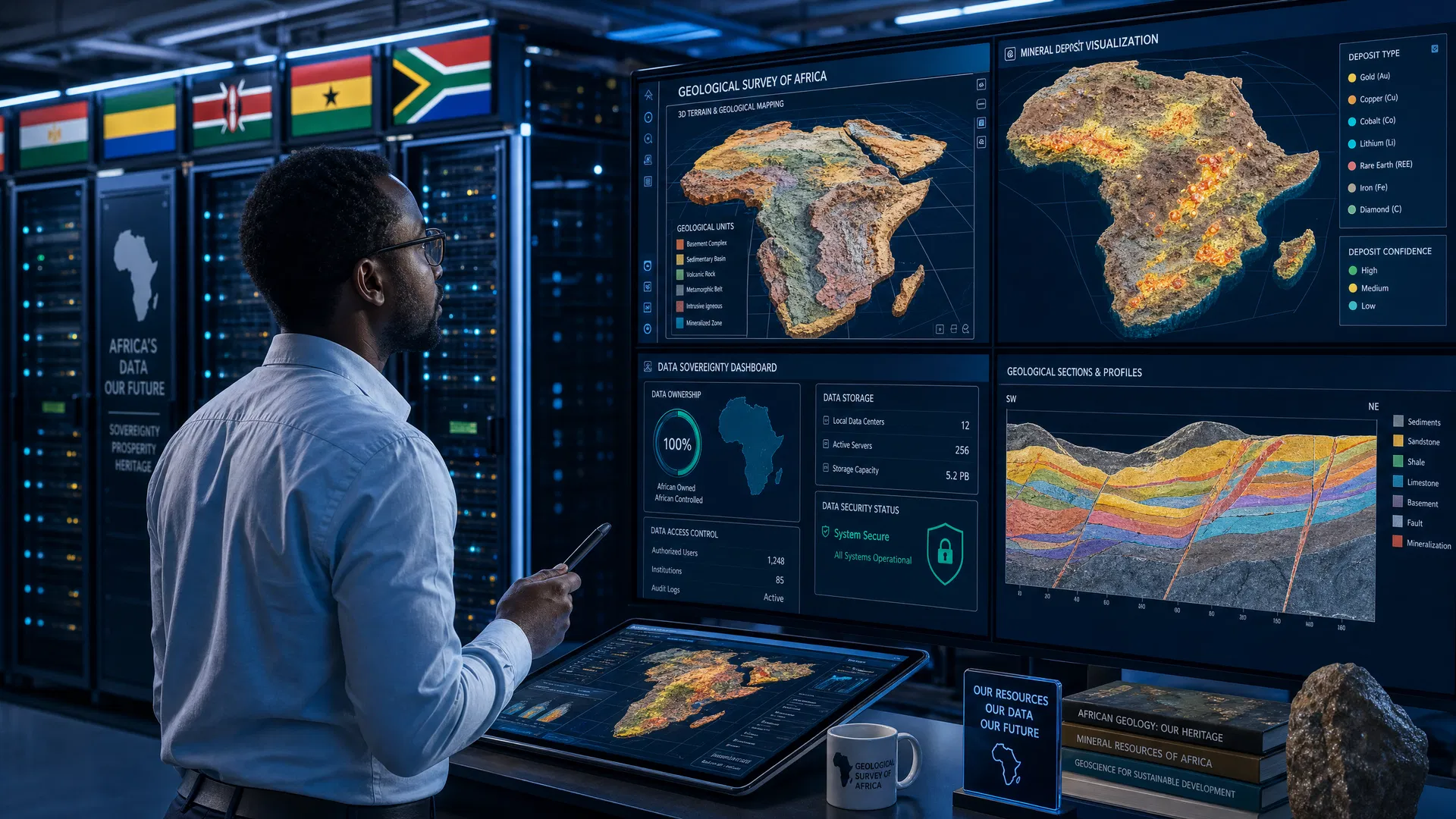
As Africa positions itself at the center of the global energy transition, the need for secure, transparent, and efficient mineral supply chains has never been more urgent. The convergence of digital corridors, blockchain traceability, and asset tokenization offers a comprehensive solution to the enduring challenge of cross-border smuggling in East Africa. AfriVest stands at the forefront of this digital revolution, committed to building the digital infrastructure necessary to support asset tokenization and cooperative governance. By championing these technologies, AfriVest envisions a future where Africa's mineral wealth is a catalyst for sustainable development, financial inclusion, and shared prosperity, firmly establishing the continent as a leader in the digitized global economy.