Zambia's Copperbelt Province remains the undisputed powerhouse of Southern Africa's mining sector, generating $7.59 billion in copper exports in 2024.
The Resurgence of Zambian Copper
Zambia, Africa's second-largest copper producer, is experiencing a remarkable resurgence in its mining sector. Following years of policy volatility, recent investor-friendly reforms have catalyzed a wave of new investments. In 2024, the nation's copper output rose by 12%, signaling a robust recovery at key mines. This resurgence is not merely a local triumph; it is a critical development for the global energy transition, which relies heavily on copper for electric vehicles, renewable energy infrastructure, and advanced electronics. The Zambian government has set an ambitious target to increase copper output to 3 million tons by 2032, a goal that underscores the strategic importance of the Copperbelt Province.
The economic impact of this resurgence is profound. Mining accounts for approximately 72% of Zambia's total export earnings and 44% of government revenue. The Copperbelt Province alone contributes nearly a quarter of the national GDP, with its GDP estimated at over $38 billion. This economic vitality is driven by major players in the region, including First Quantum Minerals and Barrick Gold, which have committed billions to brownfield expansions. For instance, Barrick's nearly $2 billion investment in the Lumwana mine aims to boost annual production to approximately 240,000 tons, extending the mine's life and significantly enhancing its output capacity.
Major Mines Driving the Economy
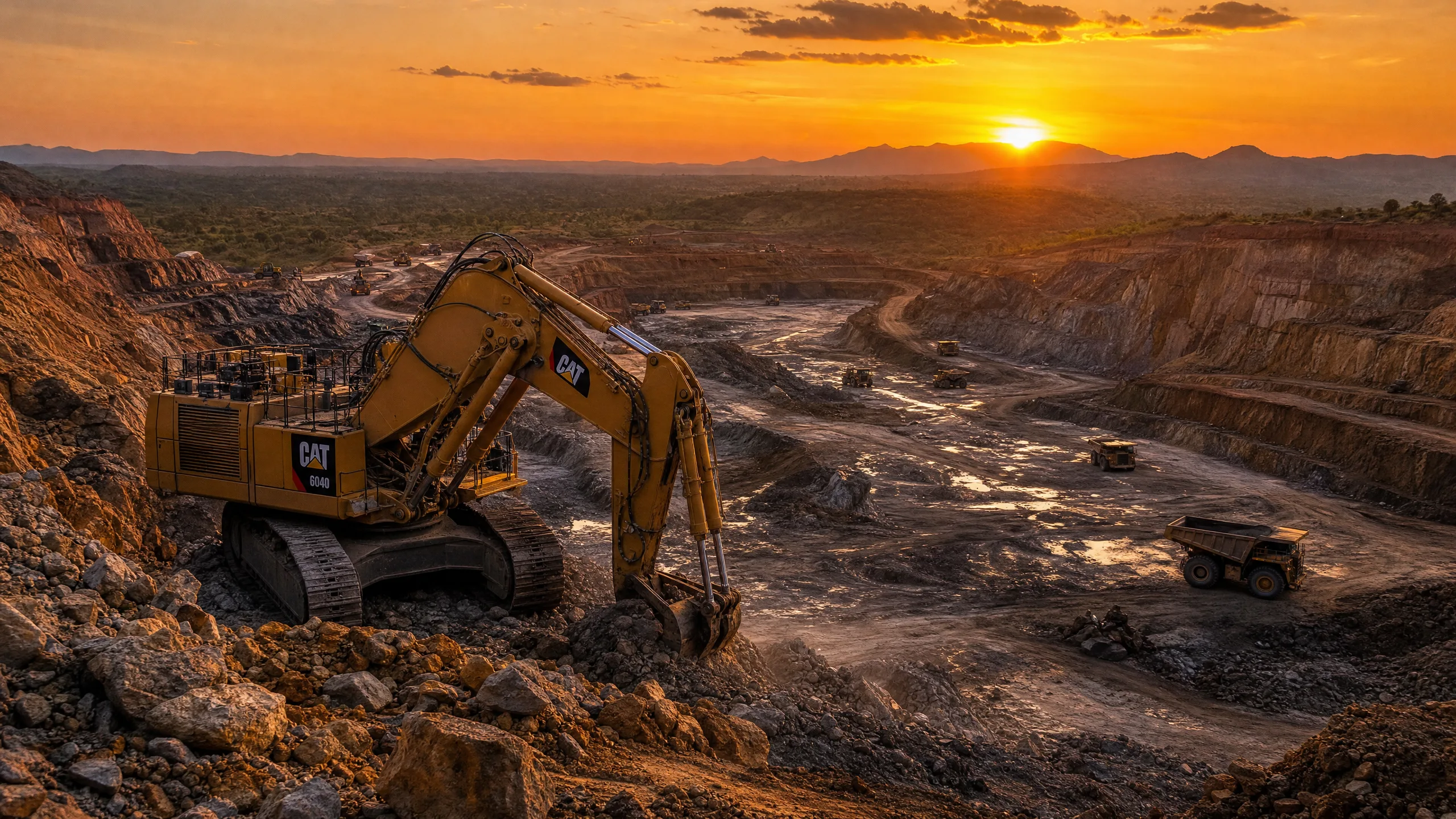
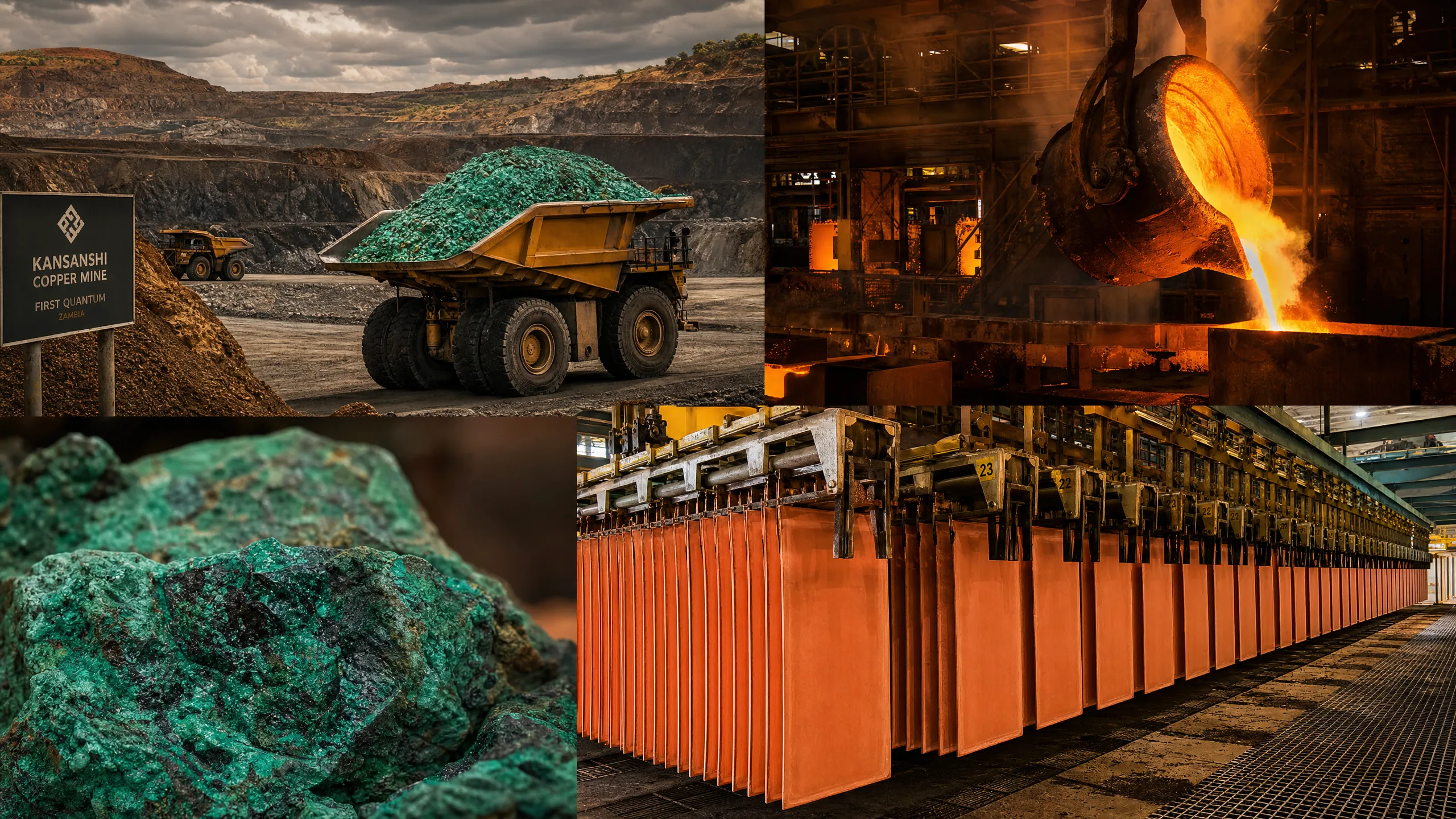
The Copperbelt is home to some of the most significant mining operations on the continent. The Kansanshi mine, operated by First Quantum Minerals, is undergoing a major expansion that will extend its life by 20 years. This project reflects increased confidence in Zambia's investment climate and is expected to significantly boost the nation's overall copper production. Similarly, the Mopani copper mine, recently the subject of a $1.1 billion bid by Abu Dhabi-based International Resource Holdings, represents a critical asset in Zambia's mining portfolio. These operations are not just extracting minerals; they are the lifeblood of the local economy, providing employment, infrastructure, and vital revenue streams.
Despite these successes, the sector faces structural challenges. Zambia's reliance on hydroelectric power makes it vulnerable to droughts, which have recently caused significant energy deficits. The mining sector, being the largest consumer of energy in the country, is particularly affected. To mitigate this, the government is actively pursuing diversification of its energy sources, aiming to boost installed solar and wind capacity to 600 MW by 2030. This transition is essential to ensure the uninterrupted operation of the mines and to support the ambitious production targets set by the government.
The Role of Policy and Investment
The recent uptick in production and investment can be directly attributed to a series of strategic policy reforms. The 2023 Zambian Budget introduced significant tax relief for mining companies, including the deductibility of the mineral royalty tax and a reduction in property transfer taxes. These measures have stabilized the tax regime, making Zambia a more attractive destination for foreign direct investment. Furthermore, the National Mineral Resources Development Policy and the impending Minerals Regulation Commission Bill aim to bring unprecedented transparency and stability to the sector.
Exploration investments have also reached a 10-year high, with companies like Rio Tinto and First Quantum leading the charge. However, a significant portion of Zambia's land remains geologically unmapped, presenting both a challenge and an opportunity. The government's push to strengthen public-private partnerships for geological mapping is a crucial step toward unlocking the country's full resource potential. By mapping these uncharted territories, Zambia can discover new deposits, further solidifying its position as a global leader in copper production.
Digital Infrastructure and Tokenization
As Zambia's mining sector continues to grow, the integration of digital infrastructure and asset tokenization presents a transformative opportunity. Platforms like AfriVest are at the forefront of this revolution, digitizing Africa's assets to provide institutional investors with unprecedented access and liquidity. By tokenizing mining assets, investors can participate in the lucrative copper market with greater transparency and efficiency. This digital approach not only democratizes access to high-value assets but also aligns with global trends toward decentralized finance and digital asset management.
The future of Zambia's Copperbelt is inextricably linked to these technological advancements. As the world transitions to a greener economy, the demand for copper will only intensify. By leveraging digital platforms to streamline investment and enhance operational efficiency, Zambia can maximize the value of its natural resources. The integration of tokenization into the mining sector will not only attract a new class of investors but also ensure that the economic benefits of copper extraction are more widely distributed, securing a prosperous future for the nation.