
The Evolution of Resource Management in Southern Africa
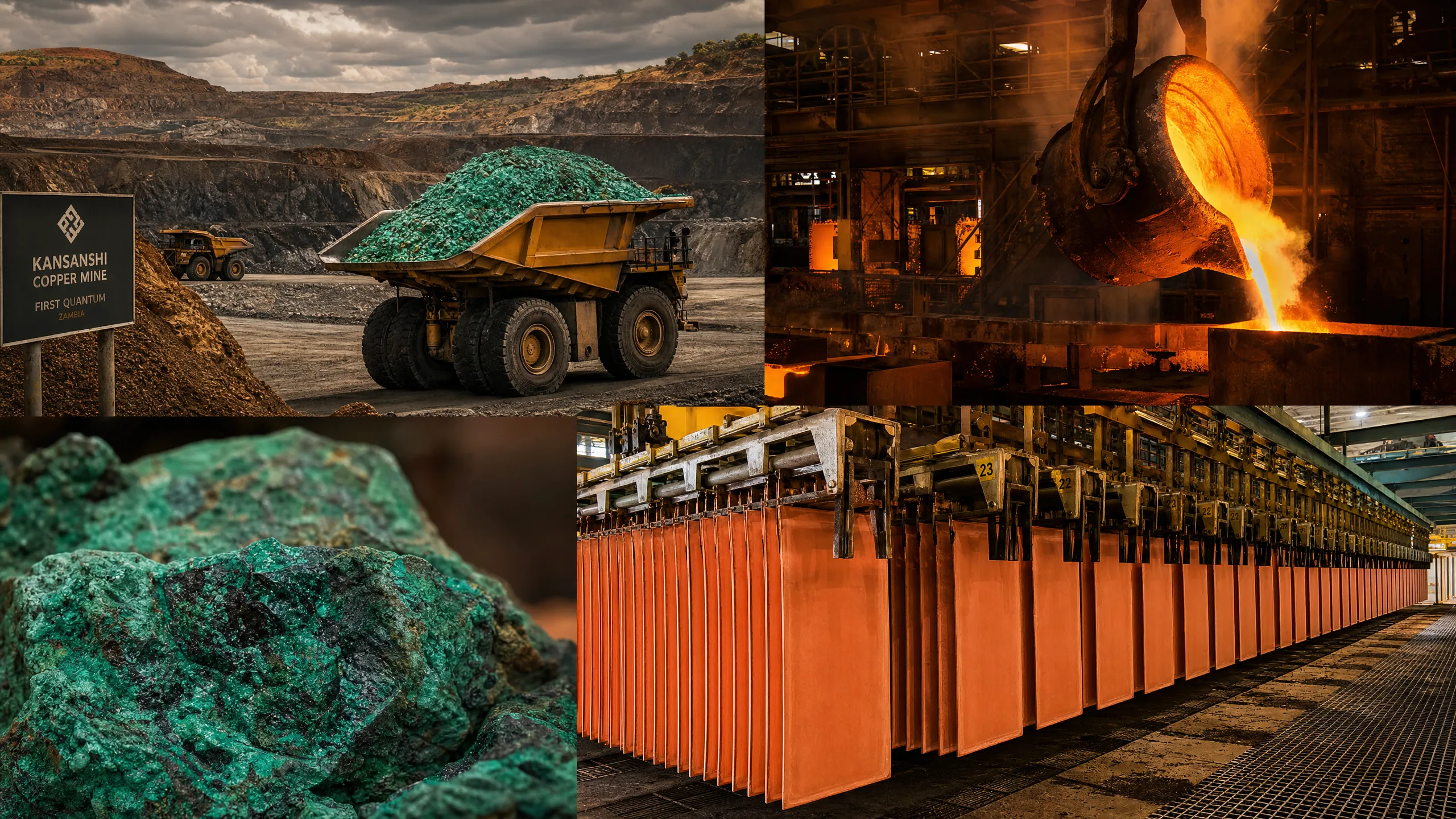
Southern Africa is a global powerhouse for mineral wealth, boasting vast reserves of platinum, gold, and diamonds. However, traditional frameworks governing resource management have frequently struggled with inefficiencies and administrative bottlenecks. For decades, the distribution of mining royalties has relied on complex, paper-based systems and intermediaries. This has led to significant delays and disputes between mining corporations, governments, and local communities.
Blockchain technology and decentralized networks offer a transformative solution to these entrenched challenges. By digitizing the tracking and allocation of resource revenues, nations in Southern Africa can establish a more equitable system. The integration of advanced digital infrastructure into the mining sector aligns with broader continental goals of economic modernization. As institutional investors increasingly prioritize governance criteria, modernizing African mining royalties through digital innovation is becoming a critical imperative.
Smart Contracts Mining: A Paradigm Shift in Operations
At the core of this digital revolution is the implementation of smart contracts mining, embedding self-executing agreements directly into blockchain networks. These programmable contracts automatically enforce the terms of an agreement once predefined conditions are met, eliminating manual intervention. In the mining industry, smart contracts can be linked to production data, export volumes, and market prices in real-time. When a shipment of minerals is verified, the smart contract instantly calculates the appropriate royalty percentages and executes the payments.
The deployment of smart contracts in the mining sector also introduces unprecedented levels of operational transparency. Every transaction and automated revenue distribution is recorded on an immutable ledger, providing a permanent and auditable trail. This verifiable record is invaluable for regulatory compliance, allowing auditors to monitor revenue streams with pinpoint accuracy. By streamlining financial operations, smart contracts enable companies to focus on core extraction activities while maintaining rigorous compliance.
Automating Revenue Distribution for Equitable Growth
One of the most significant advantages of integrating blockchain technology into the mining sector is the capability for automated revenue distribution. Historically, the journey of royalty payments from mining conglomerates to national treasuries has been fraught with friction and leakage. Automated distribution mechanisms ensure that funds are routed exactly as stipulated by law, bypassing bureaucratic hurdles. For instance, a smart contract can allocate a specific percentage of a royalty payment directly to a local infrastructure fund.
The impact of automated revenue distribution extends beyond mere efficiency; it fundamentally alters the socio-economic dynamics of mining regions. When local communities receive their financial entitlements promptly and transparently, it fosters a more cooperative relationship with mining operators. This reduction in friction can lead to fewer operational disruptions and a more stable investment climate for international stakeholders. By ensuring wealth translates directly into tangible benefits, automated systems drive equitable economic growth.
Enhancing Blockchain Governance in the Mining Sector
The successful implementation of smart contracts and automated systems relies heavily on robust blockchain governance frameworks. Governance in this context refers to the rules, protocols, and decision-making processes that guide the operation of the blockchain network. For Southern African nations, establishing clear governance structures is essential to ensure the technology serves the public interest. Effective blockchain governance requires collaboration between government regulators, industry leaders, and technology providers to define data standards and privacy protocols.
Furthermore, strong blockchain governance enhances the credibility of the resource management system in the eyes of international investors. Institutional capital is increasingly drawn to jurisdictions that demonstrate a commitment to transparency and the rule of law. By adopting decentralized ledgers governed by clear rules, African nations can signal their readiness to embrace modern financial technologies. As these governance models mature, they will provide a blueprint for other sectors seeking enhanced transparency.
Overcoming Challenges in Digital Resource Management
While the potential benefits of smart contracts and blockchain technology are immense, the transition to digital resource management presents notable challenges. One of the primary obstacles is the existing digital divide, characterized by uneven access to reliable internet connectivity in remote mining regions. For smart contracts to function effectively, they require continuous, real-time data feeds from mining sites, necessitating significant investments in telecommunications. Ensuring government officials and industry professionals can effectively manage these advanced digital systems is crucial for long-term success.
Another critical challenge lies in the legal and regulatory integration of smart contracts into existing national frameworks. Many jurisdictions in Southern Africa currently operate under legal codes that do not explicitly recognize self-executing digital agreements as legally binding. Policymakers must work diligently to update legislation to accommodate these new technologies, providing legal certainty for all participants. Overcoming these hurdles requires a coordinated effort between the public and private sectors to build resilient infrastructure.
The Future of Africa's Digital Economy Transformation
The integration of smart contracts into the management of African mining royalties represents a critical milestone in the continent's broader digital economy transformation. As Southern Africa pioneers these innovative approaches to resource management, it sets a powerful precedent for the tokenization of real-world assets. The infrastructure developed to automate mining revenues can be adapted to other vital sectors, creating a cohesive digital ecosystem that drives comprehensive economic development. This technological leap forward positions Africa as a proactive participant in the global digital economy.
Looking ahead, the convergence of blockchain technology, smart contracts, and tokenization offers unprecedented opportunities for institutional investors and policymakers. By establishing transparent, efficient, and automated systems for revenue distribution, African nations can unlock new avenues for sustainable investment and inclusive growth. The modernization of mining royalties is just the beginning; it lays the foundation for a future where digital infrastructure empowers communities and enhances governance. As these digital frameworks continue to evolve, they will undoubtedly play a central role in shaping a prosperous future for Africa.