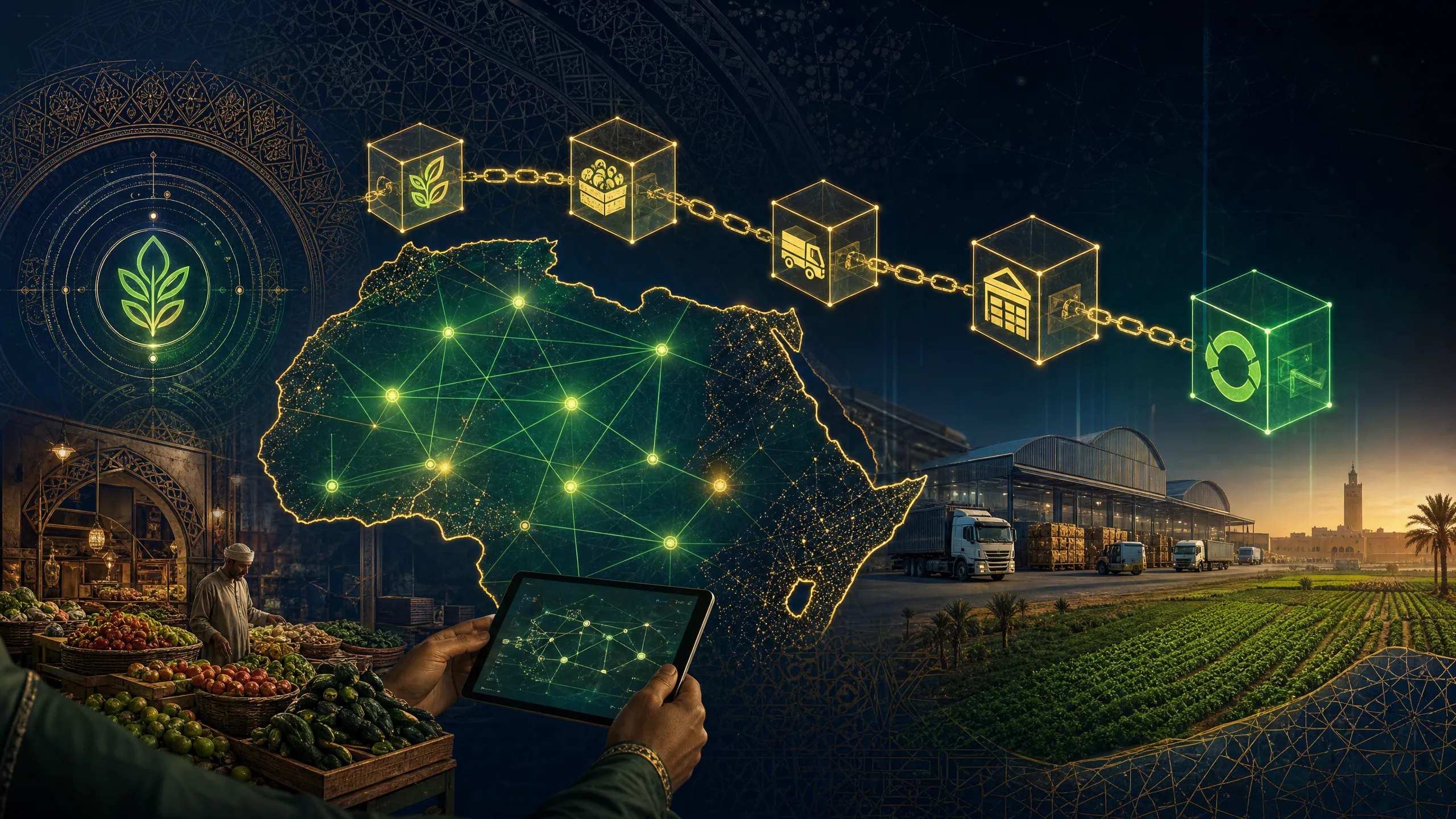
The Escalating Challenge of Food Waste in North Africa
North Africa faces a critical paradox where significant food production is consistently undermined by staggering post-harvest losses. Inadequate storage facilities, fragmented transportation networks, and inefficient distribution channels contribute to substantial food waste before products reach consumers. This systemic inefficiency threatens regional food security and represents a massive economic drain on developing economies. As climate change exacerbates resource scarcity, the urgency to address these structural vulnerabilities has never been more pronounced.
The economic implications of this food loss are profound, impacting millions of smallholder farmers and inflating consumer prices. Traditional interventions have focused on physical infrastructure improvements, yet these measures alone have proven insufficient to manage modern agricultural networks. The lack of transparent, real-time data across the supply chain prevents stakeholders from identifying bottlenecks and implementing timely interventions. Consequently, a significant portion of the region's agricultural output perishes in transit, highlighting the critical need for innovative, technology-driven solutions.
Transforming the Digital Food Supply Chain
The emergence of the digital food supply chain represents a paradigm shift in how agricultural commodities are managed and distributed across North Africa. By leveraging interconnected digital platforms, stakeholders can now monitor the journey of produce from farm to table with remarkable precision. This digital transformation facilitates the seamless exchange of information among farmers, distributors, retailers, and consumers. Enhanced visibility allows for proactive decision-making, significantly reducing the likelihood of spoilage and ensuring that food reaches its destination safely.
A robust digital food supply chain relies on the integration of various technologies, including Internet of Things sensors and cloud computing. These tools work in tandem to collect and analyze vast amounts of data regarding temperature, humidity, and transit times. When deviations from optimal conditions are detected, automated alerts enable immediate corrective actions to preserve product quality. For institutional investors, this data-driven approach offers a compelling value proposition by mitigating operational risks and enhancing profitability.
Blockchain Food Waste Solutions and Traceability
At the forefront of this technological revolution is the application of blockchain technology, offering unparalleled solutions for combating food waste. Blockchain food waste initiatives leverage decentralized, immutable ledgers to record every transaction within the agricultural supply chain. This inherent transparency ensures all participants have access to a single, verifiable source of truth, thereby eliminating discrepancies. By providing an unalterable record of a product's provenance, blockchain technology enables rapid identification of inefficiencies and pinpoint accuracy in addressing food loss.
The implementation of blockchain in North Africa agriculture significantly enhances traceability, a critical component in the fight against food waste. In the event of a contamination outbreak, stakeholders can instantaneously trace the affected batch back to its origin without necessitating widespread recalls. This precise tracking capability safeguards public health and prevents the unnecessary disposal of safe food. For regulatory bodies, the immutable nature of blockchain records simplifies compliance monitoring and ensures adherence to stringent standards.
Smart Contracts Agriculture: Automating Efficiency
The integration of smart contracts agriculture is revolutionizing the operational dynamics of the North African food supply chain by automating complex agreements. Smart contracts are self-executing protocols with the terms of the agreement directly written into code on a blockchain network. In the context of agriculture, these digital contracts can automatically trigger payments or initiate logistical processes once predefined conditions are met. This automation significantly reduces administrative overhead, minimizes human error, and accelerates the overall pace of commerce.
By streamlining financial transactions, smart contracts alleviate the liquidity constraints that often hinder smallholder farmers and local distributors. Traditional payment cycles in the agricultural sector can be notoriously slow, forcing farmers to take on high-interest debt. Smart contracts ensure immediate, frictionless settlements upon the fulfillment of contractual obligations, thereby improving cash flow and financial stability. This enhanced financial resilience enables farmers to invest in better harvesting techniques, directly contributing to substantial food loss reduction.
Tokenization and Investment Opportunities in Food Loss Reduction
The tokenization of agricultural assets presents a transformative opportunity to attract global capital toward food loss reduction initiatives in North Africa. By converting physical assets into digital tokens on a blockchain, developers can democratize access to agricultural investments. This fractional ownership model lowers the barrier to entry for institutional and retail investors alike, unlocking new streams of liquidity for critical infrastructure projects. Tokenization effectively bridges the gap between traditional agricultural needs and modern decentralized finance mechanisms.
Investing in tokenized agricultural infrastructure offers a compelling risk-reward profile as the global focus shifts toward sustainable investments. Projects aimed at improving cold storage capacities or deploying advanced supply chain analytics can be funded through specialized utility tokens. These digital assets not only provide investors with a stake in the project's success but also offer transparent tracking of the project's impact on food loss reduction. This level of transparency is highly attractive to institutional investors seeking verifiable metrics for their portfolios.
Conclusion: Building Resilient Digital Infrastructure for the Future
The integration of blockchain technology, smart contracts, and tokenization is fundamentally reshaping the agricultural landscape of North Africa. By establishing a transparent, efficient, and highly responsive digital food supply chain, the region can significantly curtail post-harvest losses and enhance overall food security. These technological advancements optimize resource utilization and empower smallholder farmers, fostering a more equitable and sustainable agricultural economy. The transition toward a digitized agricultural sector is a critical imperative for ensuring long-term resilience against environmental volatility.
For institutional investors and policymakers, the digital transformation of North Africa agriculture represents an unprecedented opportunity to drive impactful, systemic change. Strategic investments in blockchain infrastructure and tokenized assets can yield substantial financial returns while advancing critical sustainability objectives. To fully realize this potential, it is essential to cultivate a supportive regulatory environment that encourages innovation and facilitates cross-border digital trade. Ultimately, leveraging blockchain to combat food waste positions the continent as a global leader in sustainable, tech-enabled agriculture.