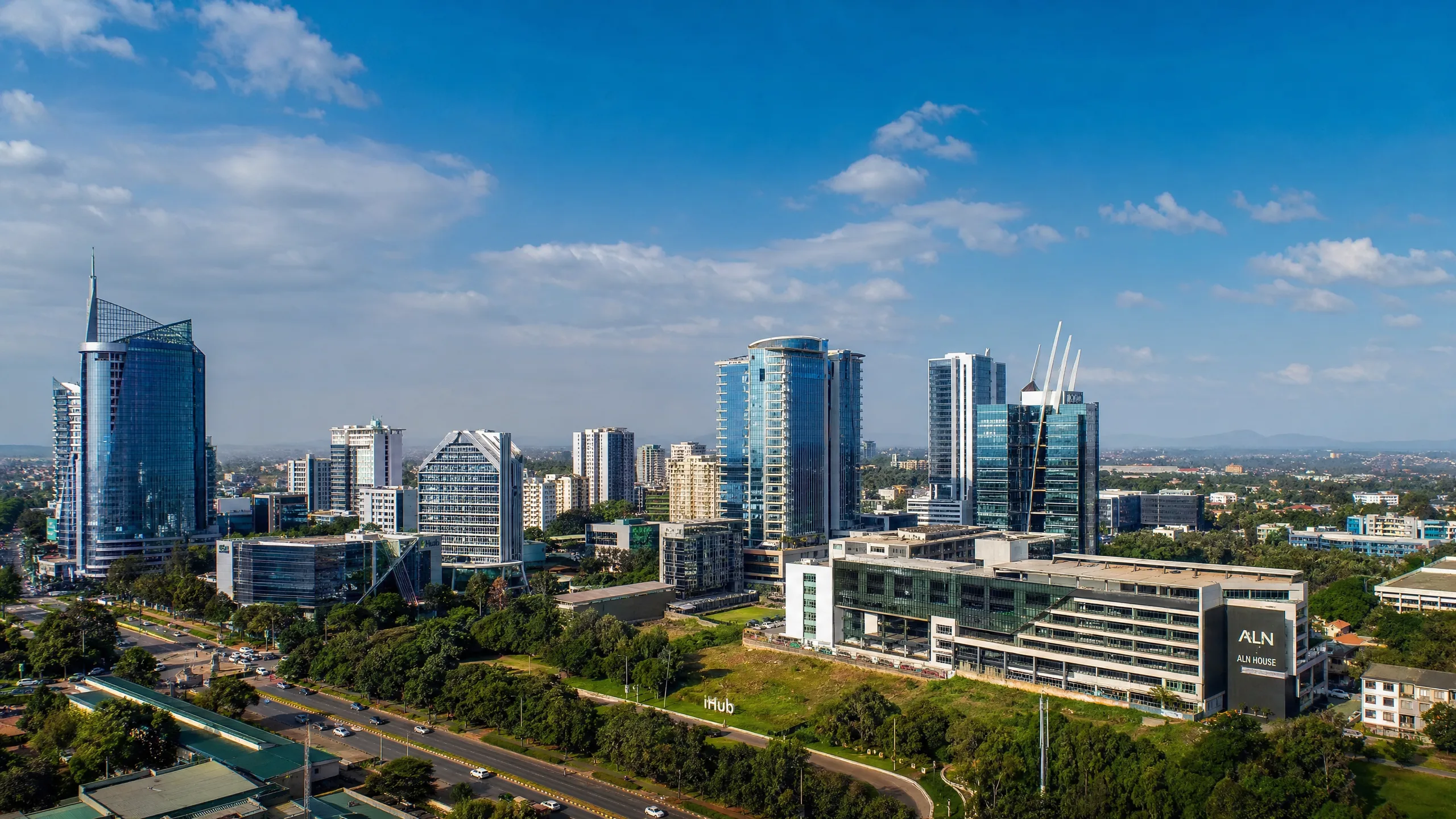

The Intersection of Digital Transformation and Property Markets
The rapid expansion of the digital economy Southern Africa is experiencing is fundamentally reshaping traditional asset classes, with the real estate sector emerging as a primary beneficiary. As broadband penetration deepens and mobile connectivity reaches unprecedented levels, a robust tech-driven property market is taking shape. This transformation involves a comprehensive reimagining of how property is developed, marketed, managed, and financed. Institutional investors and policymakers recognize that integrating digital infrastructure with physical real estate creates a multiplier effect, driving economic growth. The convergence of these sectors creates new paradigms for value creation in major economic hubs like Johannesburg and Cape Town.
At the core of this evolution is the profound impact of digital finance on real estate accessibility and investment structuring. Historically, property investment in Southern Africa has been characterized by high barriers to entry and complex regulatory hurdles. However, innovative financial technologies are democratizing access to real estate assets, allowing a broader spectrum of participants to engage. Digital platforms are streamlining transaction processes, reducing friction, and enhancing transparency in a sector traditionally plagued by informational asymmetries. This shift is crucial in a region where rapid demographic changes drive unprecedented demand for both residential and commercial properties.
Catalyzing Southern African Urbanization Through Technology
The phenomenon of Southern African urbanization is intrinsically linked to the region's digital acceleration, creating a symbiotic relationship that drives property demand. As populations migrate toward urban centers in search of better economic opportunities, the pressure on existing infrastructure intensifies. Digital technologies play a pivotal role in managing this urban influx by enabling the development of smart cities and integrated urban ecosystems. These technologically advanced environments require sophisticated real estate solutions, ranging from high-tech commercial spaces to smart residential complexes. Consequently, the tech-driven property market is expanding rapidly to accommodate the specific requirements of these evolving urban landscapes.
Moreover, the rise of remote work and digital nomadism, facilitated by improved digital infrastructure, is altering the spatial dynamics of real estate demand across Southern Africa. While traditional central business districts remain important, there is a noticeable shift toward decentralized hubs that offer seamless digital connectivity. This trend is encouraging real estate growth in secondary cities and suburban areas, distributing economic benefits more evenly. Developers are responding by creating flexible workspaces and residential units equipped with high-speed internet, catering to a workforce that increasingly values digital readiness as much as physical location.
Blockchain and Tokenization: Revolutionizing Property Investment
The integration of blockchain technology and asset tokenization represents a paradigm shift in how real estate is financed and traded in Southern Africa. By converting physical property rights into digital tokens, developers and asset managers can fractionalize ownership, lowering the investment threshold and unlocking liquidity. This innovative approach to digital finance real estate allows retail and institutional investors to diversify their portfolios with fractional shares of high-value properties. The immutable nature of blockchain also ensures transparent, secure, and efficient record-keeping, which is particularly valuable where land registry systems may be historically fragmented.
Furthermore, smart contracts embedded within these digital tokens automate critical processes such as dividend distribution, compliance checks, and ownership transfers. This automation significantly reduces administrative overhead and minimizes the need for intermediaries, thereby lowering transaction costs and accelerating execution speed. For the Southern African property market, this means capital can flow more freely into real estate projects, stimulating development and addressing the acute shortage of quality housing. The regulatory environment is also beginning to adapt, with forward-thinking jurisdictions exploring frameworks to safely integrate these digital assets into the broader financial system.
Data-Driven Decision Making in Real Estate Development
In the contemporary tech-driven property market, data has emerged as the most critical asset for developers, investors, and urban planners. The proliferation of digital touchpoints across the Southern African economy generates vast amounts of data regarding consumer behavior and economic trends. Advanced analytics and artificial intelligence are deployed to synthesize this data, providing actionable insights that inform strategic real estate decisions. By accurately predicting where demand will surge, developers can optimize land acquisition strategies and design projects that precisely meet market needs, thereby maximizing returns and minimizing the risk of oversupply.
This data-centric approach extends beyond the initial development phase into the ongoing management and optimization of real estate assets. IoT sensors embedded in modern buildings continuously collect data on energy consumption, space utilization, and maintenance requirements. Property managers utilize this information to implement predictive maintenance schedules, reduce operational costs, and enhance the overall tenant experience. In the context of Southern African urbanization, where resource efficiency is paramount, these smart building technologies are essential for creating sustainable portfolios. Institutional investors increasingly demand these digital capabilities as a prerequisite for capital allocation.
The Future: Digital Infrastructure as the Foundation of Growth
Looking ahead, the sustained expansion of the real estate sector in Southern Africa will be inextricably linked to the continued development of robust digital infrastructure. The deployment of 5G networks, the expansion of fiber-optic broadband, and the establishment of localized data centers are foundational elements that dictate the viability of modern real estate. Properties lacking access to high-speed, reliable digital connectivity will increasingly face obsolescence, while those integrated into advanced networks will command significant premiums. This reality necessitates a collaborative approach between real estate developers, technology providers, and government entities to ensure comprehensive digital coverage.
The convergence of digital finance and real estate will also accelerate, creating innovative funding models that support large-scale infrastructure and property developments. As regulatory frameworks evolve to accommodate digital assets and tokenization, we can expect a surge in tech-enabled investment vehicles tailored specifically for the African market. These instruments will mobilize domestic savings and attract significant international capital, providing the financial fuel required to address the region's infrastructure deficit. The successful integration of these digital financial tools will be a critical determinant of long-term real estate growth Africa is currently witnessing.