The Intersection of Digital Finance and Agricultural Resilience
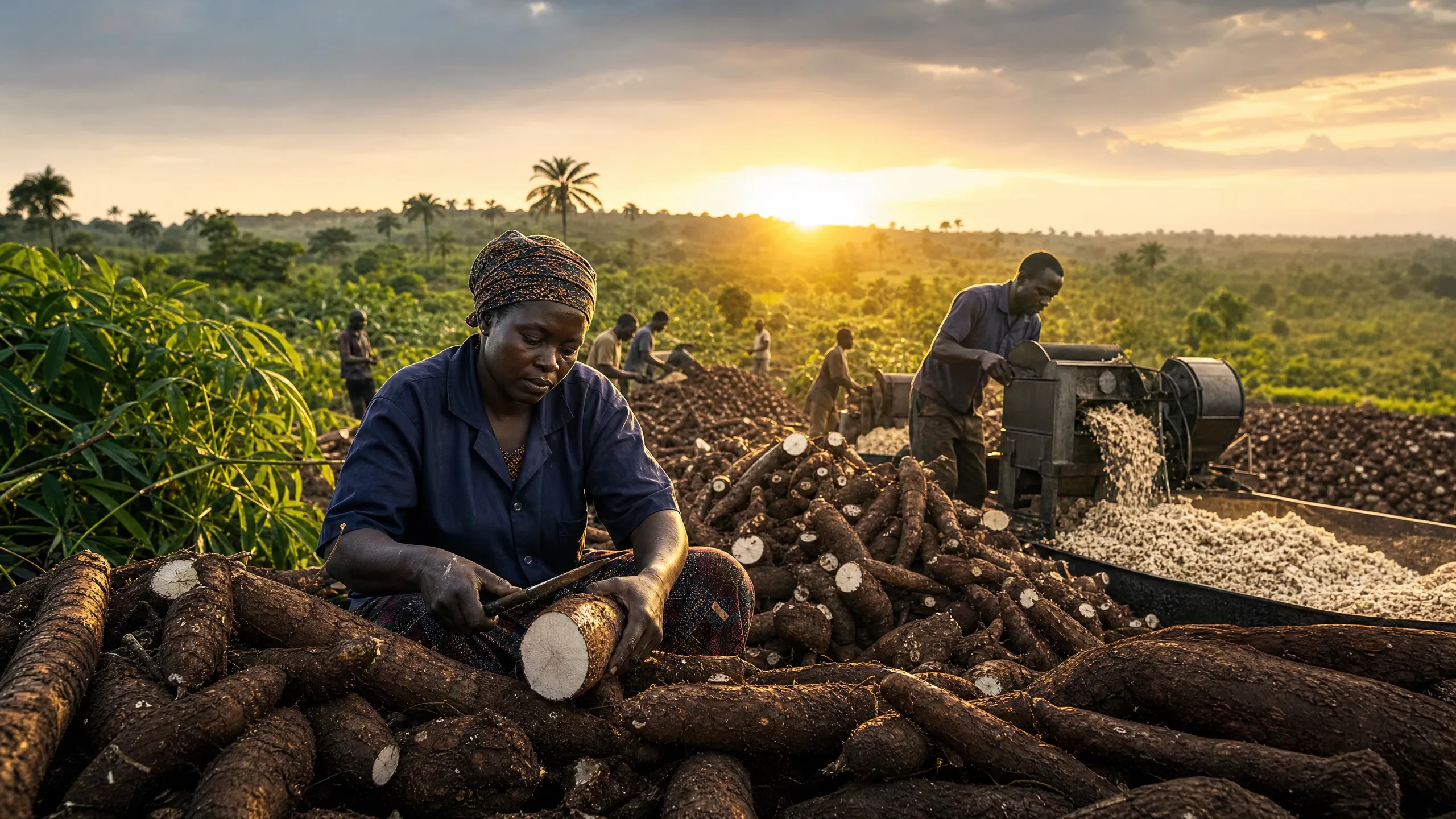
West Africa navigates a complex landscape of rapid population growth, climate volatility, and supply chain inefficiencies that threaten regional food security. The agricultural sector remains the backbone of the regional economy, employing most of the rural population. However, traditional farming practices and outdated financial infrastructures have historically constrained agricultural productivity. Recently, the emergence of digital finance food security initiatives has begun to fundamentally transform how smallholder farmers operate, access capital, and manage risks. By integrating advanced financial technologies, stakeholders are unlocking unprecedented opportunities to stabilize food production networks.
The deployment of digital finance solutions represents a paradigm shift in addressing the systemic vulnerabilities of West Africa agriculture. Historically, smallholder farmers have been marginalized by formal banking institutions due to a lack of collateral and geographic isolation. Today, the proliferation of mobile technology and internet connectivity is dismantling these barriers, enabling direct access to essential financial services. This digital transformation empowers farmers to purchase high-quality inputs, invest in modern farming equipment, and secure insurance against climate-related crop failures.
Overcoming Traditional Barriers with Mobile Payments
For decades, the lack of accessible banking infrastructure has been a primary bottleneck for agricultural development in rural West Africa. Traditional financial institutions have largely concentrated their operations in urban centers, leaving millions of rural farmers without safe mechanisms to save money or receive payments. This financial exclusion has forced farmers to rely on informal, cash-based transactions, which are inherently risky and inefficient. The introduction and rapid adoption of mobile payments have revolutionized this landscape, providing a secure and low-cost alternative to traditional banking. By leveraging basic mobile phones, farmers can now execute complex financial transactions remotely.
The integration of mobile payments into the agricultural sector has significantly streamlined the procurement of inputs and the sale of harvested crops. Farmers can instantly receive payments from buyers or cooperatives directly into their mobile wallets, eliminating the delays and risks associated with cash handling. This immediate liquidity allows farmers to reinvest in their operations more rapidly, purchasing seeds, fertilizers, and machinery precisely when needed. This data is invaluable for integrating smallholder farmers into the broader formal economy.
Fintech Innovations Driving Agricultural Productivity
The rapid expansion of fintech agriculture platforms is fundamentally altering the operational dynamics of farming in West Africa. These specialized financial technology companies are designing innovative products tailored specifically to the unique needs of the agricultural sector. Unlike traditional banks, which often apply rigid lending criteria, agritech startups leverage alternative data sources to assess creditworthiness and manage risk. By analyzing mobile phone usage patterns, satellite imagery of crop health, and historical yield data, these platforms can offer customized financial products. This targeted approach is unlocking significant capital for a sector that has long been starved of investment.
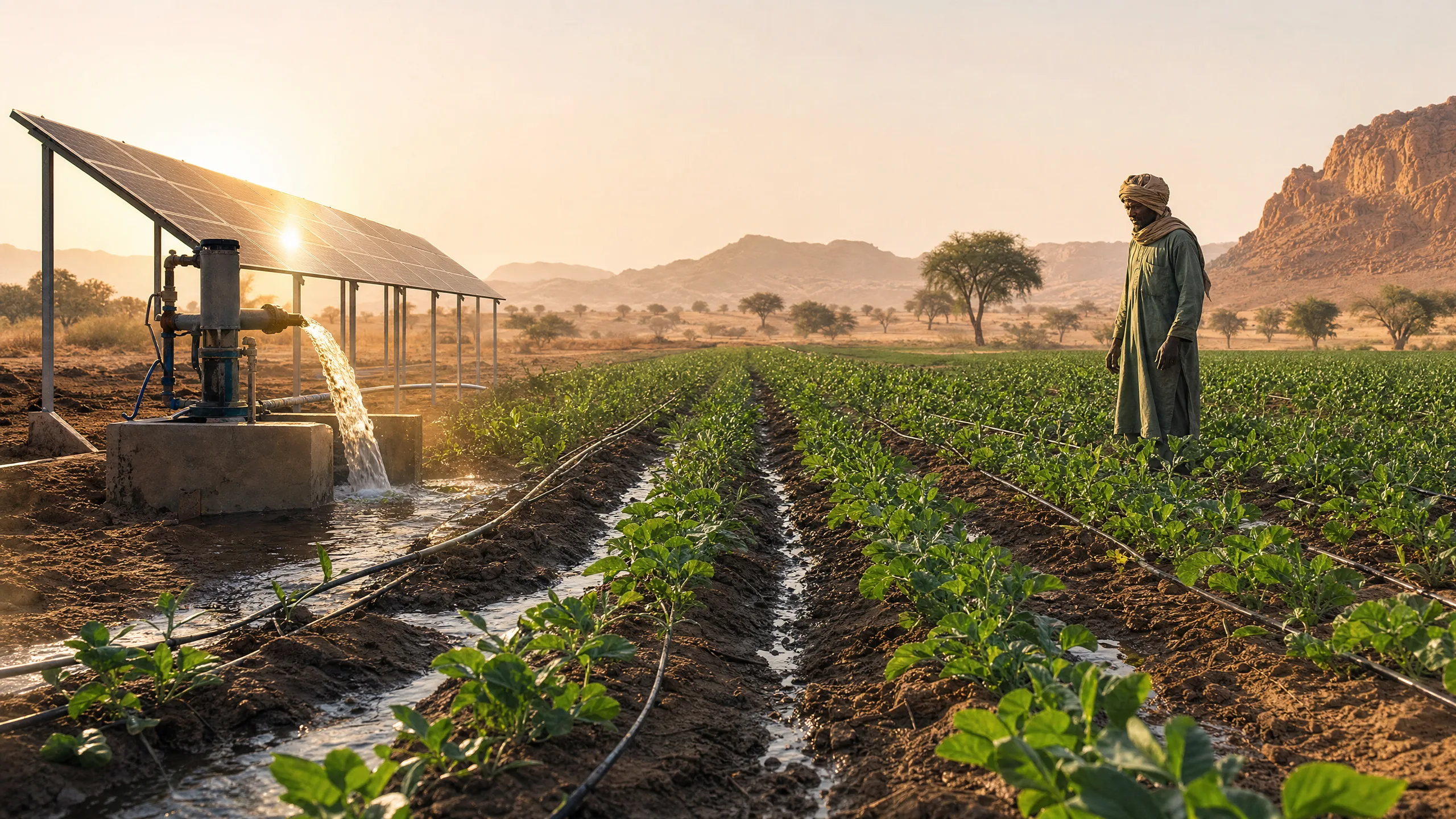
One of the most critical contributions of these platforms is the provision of accessible agricultural loans West Africa. Fintech companies are circumventing traditional collateral requirements by utilizing digital credit scoring models and offering microloans that are disbursed and repaid entirely via mobile wallets. These loans enable farmers to transition from subsistence farming to commercial agriculture by financing the acquisition of high-yield seeds and modern irrigation systems. The infusion of targeted credit directly correlates with increased crop yields and a more stable regional food supply.
Blockchain and Tokenization in the Agricultural Supply Chain
As West Africa's digital economy matures, the application of blockchain technology is emerging as a powerful tool to address systemic inefficiencies within the agricultural supply chain. Traditional supply chains are often characterized by opacity, fragmentation, and a multitude of intermediaries, leading to significant post-harvest losses. Blockchain offers a decentralized, immutable ledger that can record every transaction and movement of agricultural commodities from the farm to the final consumer. This unprecedented level of transparency ensures provenance, verifies fair trade practices, and significantly reduces the incidence of fraud and corruption within the distribution network.
The implementation of blockchain technology also facilitates the tokenization of agricultural assets, a revolutionary concept that is attracting the attention of institutional investors. These tokens can be fractionally owned, traded, and utilized as collateral, thereby injecting much-needed liquidity into the agricultural sector. For instance, a cooperative of farmers can tokenize their stored grain in a certified warehouse, using the digital tokens to secure immediate financing while waiting for optimal market prices. This mechanism empowers farmers to maximize their profitability.
Conclusion: Building a Sustainable Digital Infrastructure
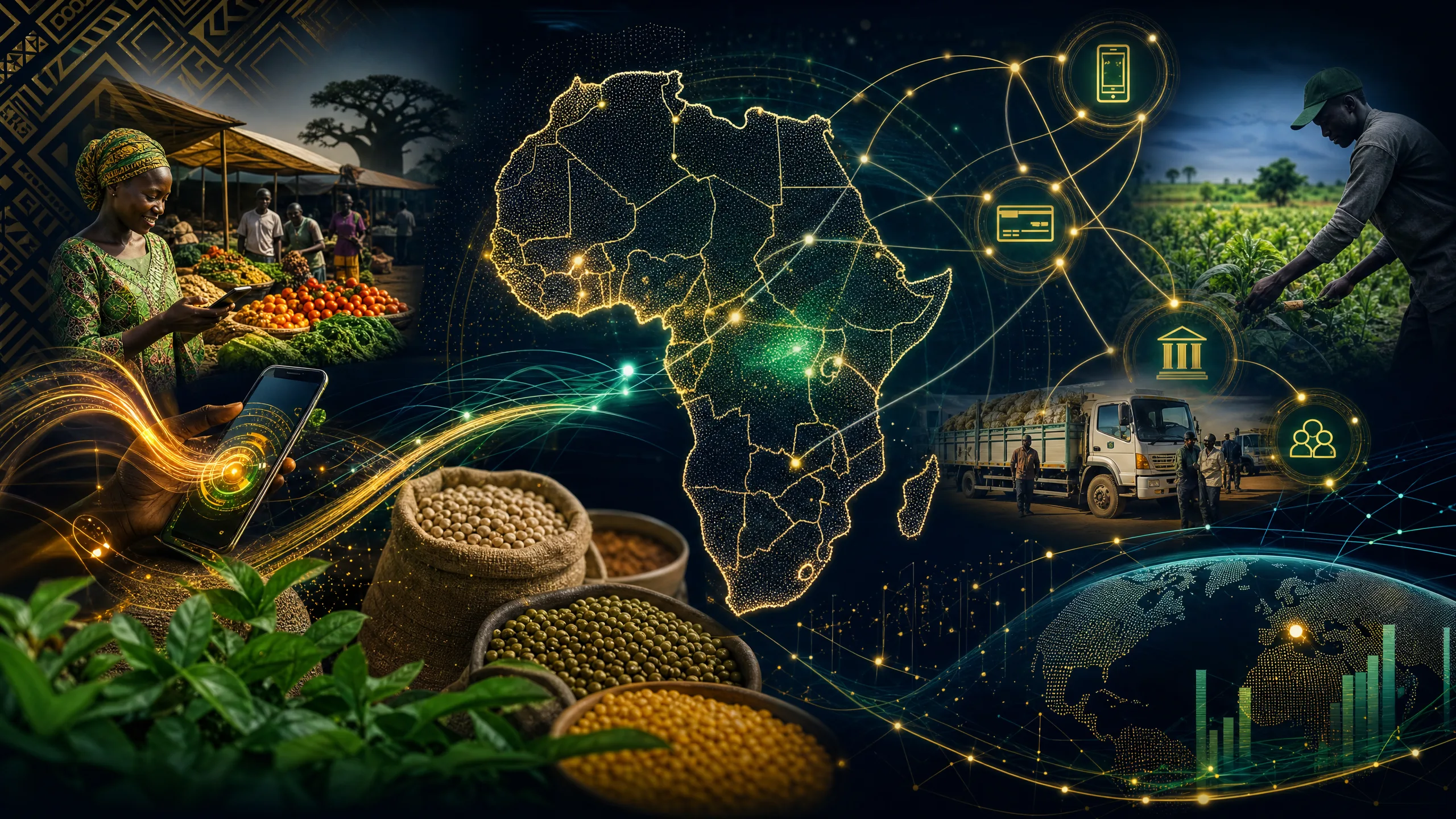
The integration of digital finance into West Africa's agricultural sector is not merely a technological upgrade; it is a fundamental necessity for ensuring long-term food security and economic resilience. By leveraging mobile payments, fintech agriculture platforms, and blockchain technology, the region is systematically dismantling the traditional barriers that have historically hindered agricultural productivity. These digital solutions are empowering smallholder farmers with unprecedented access to capital, markets, and risk mitigation tools, thereby transforming subsistence farming into a viable, commercial enterprise. As these technologies continue to penetrate rural communities, they are laying the groundwork for a more robust food supply chain.
Looking forward, the continued expansion of digital finance food security initiatives will require sustained collaboration between governments, technology providers, and the global investment community. The development of comprehensive digital infrastructure, including widespread broadband connectivity and interoperable payment systems, is essential for scaling these solutions across the continent. The commitment to building this sustainable digital ecosystem will dictate the region's ability to meet the nutritional needs of its rapidly growing population. This collaborative effort will ultimately ensure a prosperous and secure future for all.