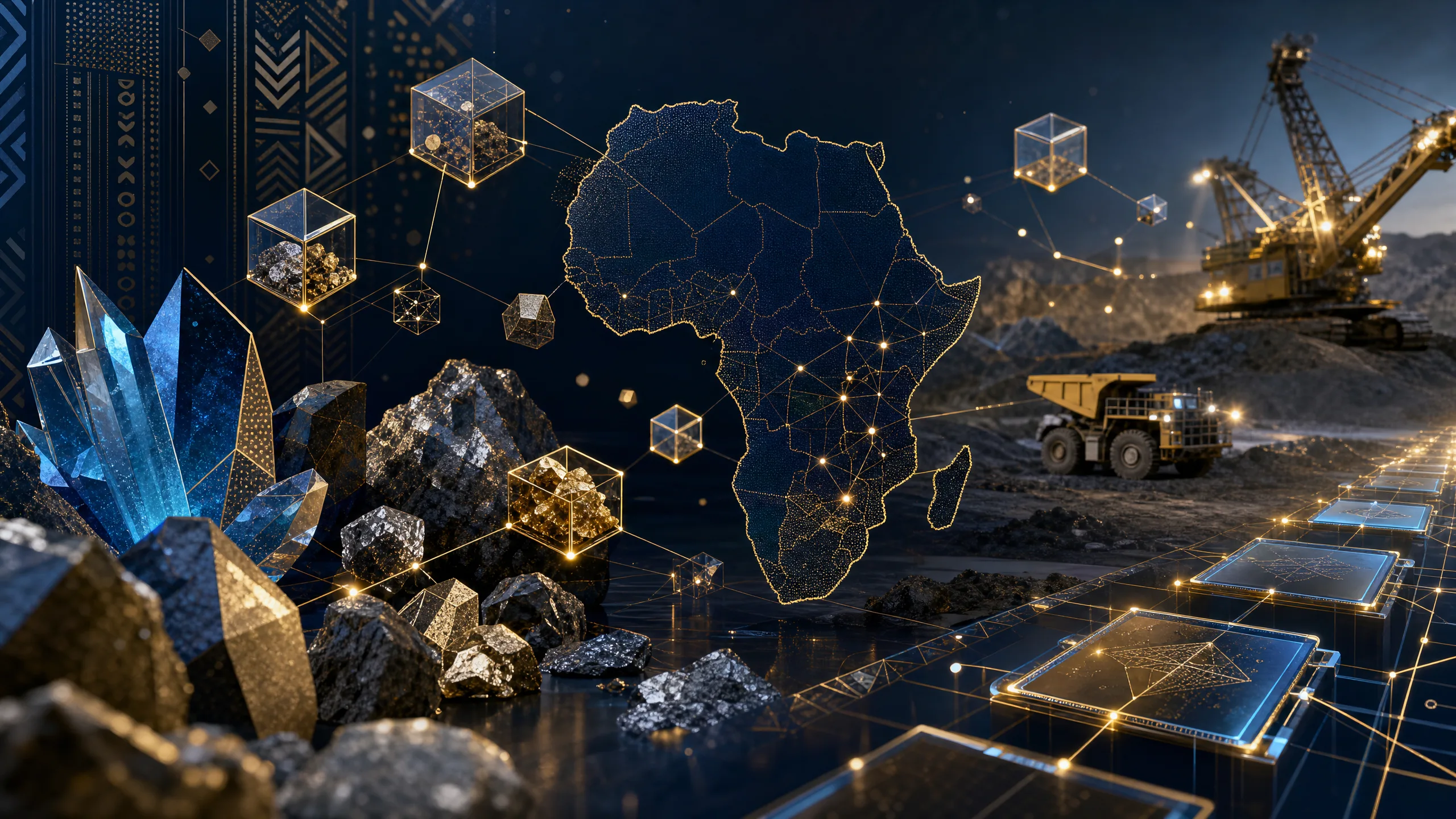
The Importance of Critical Minerals in Africa's Economic Landscape
Africa is endowed with vast reserves of critical minerals such as cobalt, lithium, tantalum, and rare earth elements, which are indispensable for modern technologies including electric vehicles, renewable energy systems, and advanced electronics. According to the United States Geological Survey (USGS), the Democratic Republic of Congo alone accounts for approximately 70% of global cobalt production, a mineral vital for battery manufacturing. These minerals are not only critical to the global supply chain but also represent a significant opportunity for African economies to diversify and grow within the digital economy framework.
However, despite this wealth, Africa’s mining sector faces challenges related to supply chain opacity, illegal mining, and environmental concerns. Traditional supply chain systems often lack the transparency and traceability required to meet international standards and investor expectations. This opacity can lead to market inefficiencies, reduced revenue for governments, and increased risks for institutional investors concerned with ethical sourcing and sustainability. Addressing these issues is crucial for unlocking the full economic potential of Africa’s critical minerals.
Tokenization and Blockchain: Revolutionizing Mineral Supply Chains
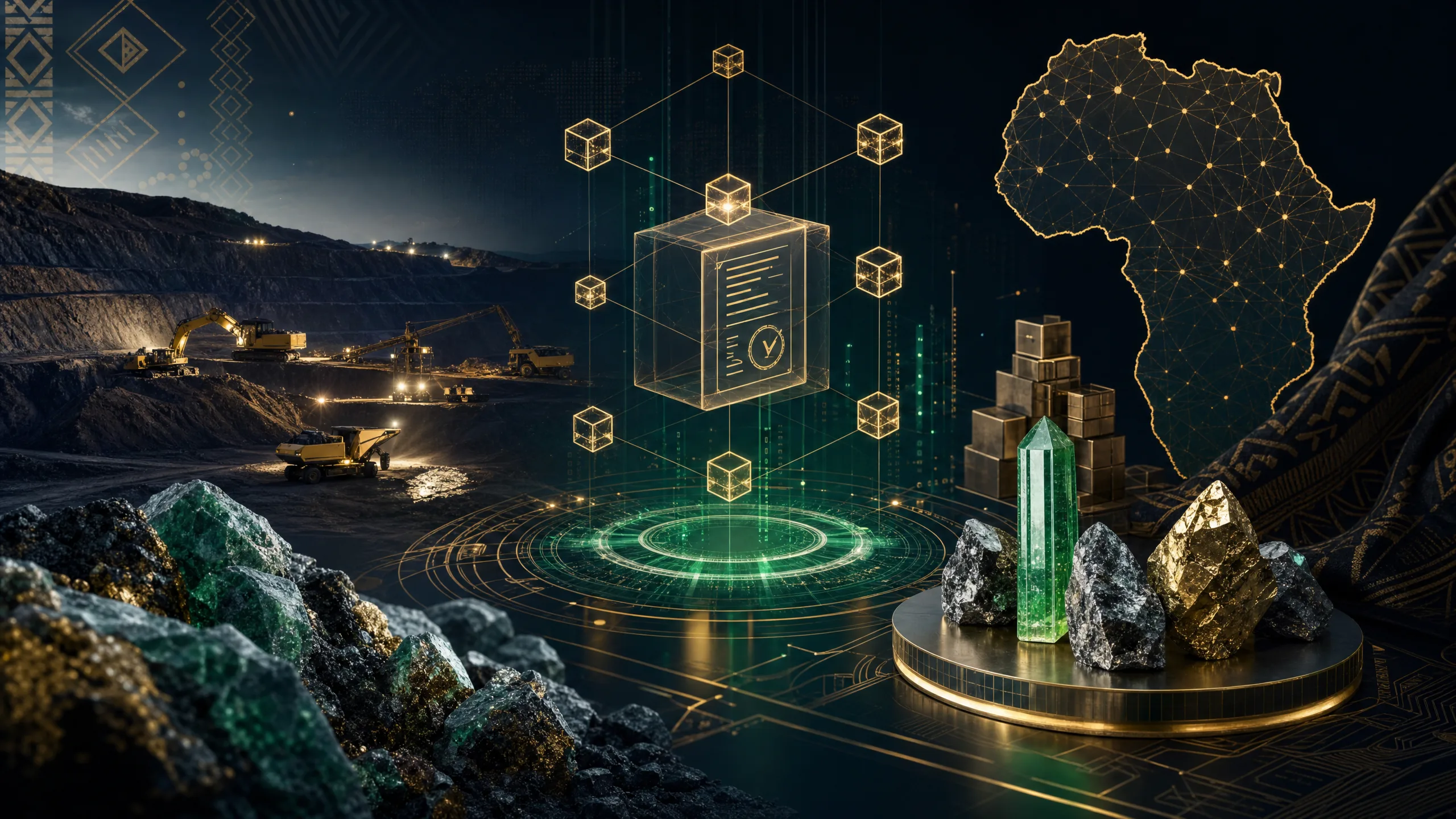
Tokenization—the process of converting physical assets into digital tokens on a blockchain—presents a transformative solution for Africa’s critical minerals supply chain. By leveraging blockchain minerals technology, stakeholders can create immutable, verifiable records of mineral provenance, ownership, and transaction history. This innovation enhances supply chain transparency, reduces fraud, and facilitates compliance with increasingly stringent global regulations on responsible sourcing.
Blockchain's decentralized ledger technology ensures that every step of the mineral’s journey, from extraction to export, is traceable and tamper-proof. For example, companies like Circulor and MineHub are pioneering blockchain-based platforms that track cobalt supply chains in Africa, enabling end-users and regulators to authenticate the origin and ethical compliance of minerals. This level of transparency not only builds trust with international buyers but also attracts investment by mitigating risks associated with illicit mining and supply chain disruptions.
Enhancing Mineral Traceability to Attract Institutional Investment
Supply chain transparency achieved through tokenization is a critical determinant for institutional investors who prioritize Environmental, Social, and Governance (ESG) criteria. The global ESG investment market has surpassed $30 trillion as of 2023, with a growing focus on traceability and ethical sourcing in commodities. By implementing digital finance Africa initiatives anchored in blockchain technology, African mineral producers can meet these investor expectations and unlock premium financing options.
Enhanced mineral traceability also supports compliance with international frameworks such as the EU’s Conflict Minerals Regulation and the U.S. Dodd-Frank Act, which require transparent reporting on mineral sourcing. Tokenization facilitates real-time data sharing and auditability, helping producers avoid penalties and reputational damage. Moreover, digital tokens representing mineral assets can be fractionalized and traded, improving liquidity in a traditionally illiquid sector and widening access to capital for mining ventures.
Case Studies: Successful Blockchain Applications in African Mining
Several pioneering projects across Africa illustrate the practical benefits of tokenization and blockchain in mineral supply chains. In the Democratic Republic of Congo, the collaboration between Umicore and Circulor has created a blockchain-based cobalt tracking system that verifies responsible sourcing from mine to battery manufacturer. This initiative has increased supply chain transparency, reduced fraud, and enhanced compliance with international standards.
Similarly, the Tanzanian government has explored blockchain pilots to track gemstones and precious metals, aiming to curb illegal mining and smuggling. By digitizing mineral certificates and creating traceable tokens, authorities can better regulate exports and ensure mineral revenues contribute to national development. These projects exemplify how digital finance Africa can leverage blockchain to modernize traditional sectors and create new economic value.
Challenges and Policy Considerations for Scaling Tokenization
While tokenization offers significant promise, several challenges must be addressed to scale its adoption across Africa’s critical minerals sector. Infrastructure deficits, including limited internet connectivity and electricity access in mining regions, pose barriers to implementing blockchain solutions effectively. Additionally, the technical complexity of tokenization requires capacity building among miners, regulators, and financial institutions to ensure proper utilization.
From a policy perspective, harmonizing regulatory frameworks across African countries is essential to facilitate cross-border blockchain applications and digital finance integration. Policymakers must develop clear guidelines on digital asset classification, data privacy, and cybersecurity to foster trust and legal certainty. Furthermore, public-private partnerships can accelerate innovation by combining government oversight with private sector expertise in blockchain minerals technology.
The Future of Africa’s Digital Economy and Mineral Supply Chains
Tokenizing Africa’s critical minerals supply chain represents a strategic intersection of natural resource wealth and digital economy transformation. As African countries continue to invest in digital infrastructure and adopt blockchain-based systems, the minerals sector can become a flagship example of transparent, sustainable, and technologically advanced resource management. This evolution not only enhances Africa’s competitiveness in global markets but also empowers local communities through fairer revenue distribution and environmental stewardship.
Looking ahead, expanding the digital finance Africa ecosystem to include tokenized mineral assets could unlock new financing models such as asset-backed tokens and decentralized finance (DeFi) platforms tailored for mining ventures. These innovations will require robust digital infrastructure investments, including broadband expansion and blockchain interoperability frameworks. By embracing tokenization and blockchain, Africa can lead a new era of supply chain transparency that supports both economic growth and responsible resource governance.