The Imperative for Sustainable Mineral Extraction in Africa
Africa holds a significant portion of global mineral reserves, including essential resources like cobalt, copper, and lithium. These resources are critical for the transition to renewable energy and the manufacturing of advanced technologies. However, historical resource extraction on the continent has often been fraught with environmental degradation and social challenges. As global demand for these minerals surges, there is an urgent need to transition toward sustainable mineral extraction practices. This shift is an environmental necessity and a fundamental economic requirement to ensure long-term viability and compliance with international standards.
The transition to sustainable practices requires substantial capital investment to upgrade infrastructure, implement cleaner technologies, and ensure fair labor practices. Traditional financing mechanisms have frequently fallen short in providing the necessary funding for these critical upgrades. High interest rates, stringent collateral requirements, and perceived geopolitical risks have historically deterred conventional investors from committing long-term capital to African mining projects. Consequently, the continent's mining sector has struggled to modernize at the pace required to meet both global demand and stringent environmental, social, and governance (ESG) criteria.
Overcoming Traditional Financing Barriers with Digital Assets
Integrating digital assets into the African financial ecosystem is revolutionizing how capital is raised and deployed across various industries, including mining. Traditional capital markets often impose prohibitive barriers for mid-sized and artisanal mining operations seeking to adopt sustainable practices. These barriers include complex regulatory compliance, high issuance costs, and limited access to international investors. Digital assets offer a streamlined alternative, enabling mining companies to issue security tokens or utility tokens directly to a global audience. This direct-to-market approach significantly reduces the cost of capital and accelerates the fundraising process.
Furthermore, digital assets facilitate fractional ownership, allowing retail and institutional investors to participate in African minerals investment with lower capital thresholds. This democratization broadens the investor base and increases market liquidity. For instance, a sustainable copper mining project in Zambia can tokenize future production, offering investors a tangible stake in its success. This innovative financing model not only provides immediate capital for the mining operation but also creates a transparent and tradable asset for the investor, enhancing the overall efficiency of the capital allocation process.
Blockchain Mining Finance: Enhancing Transparency and Traceability
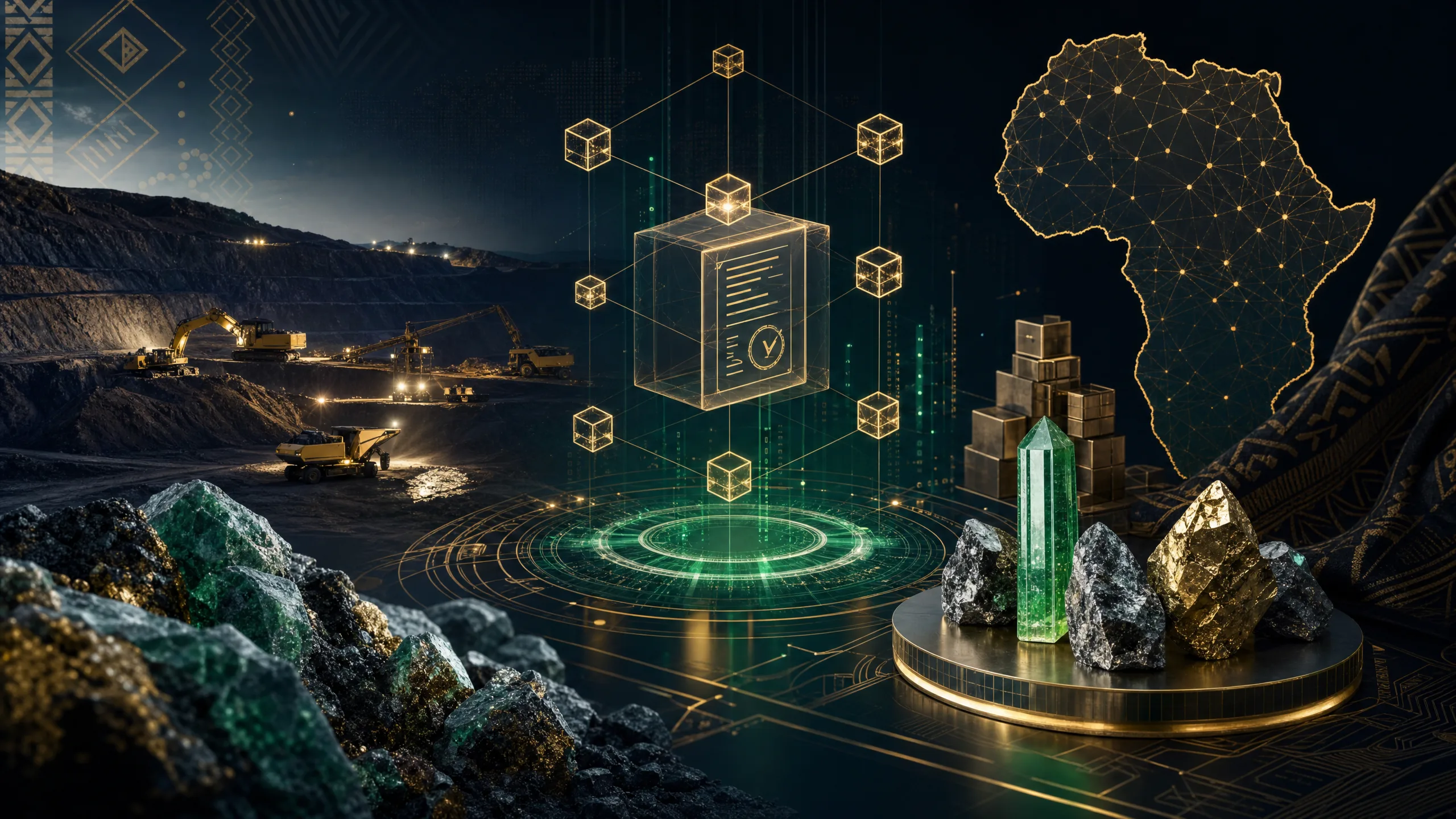
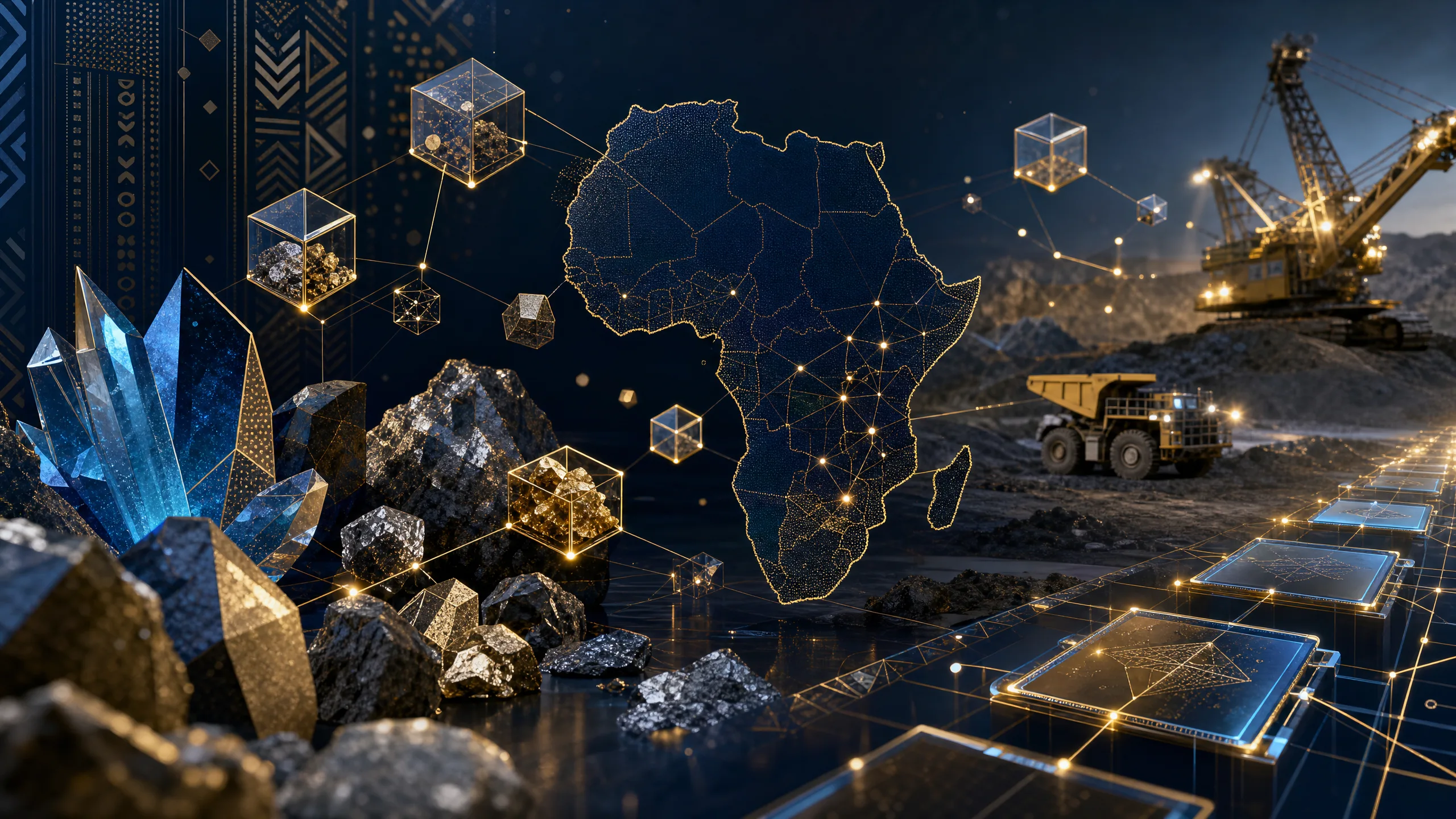
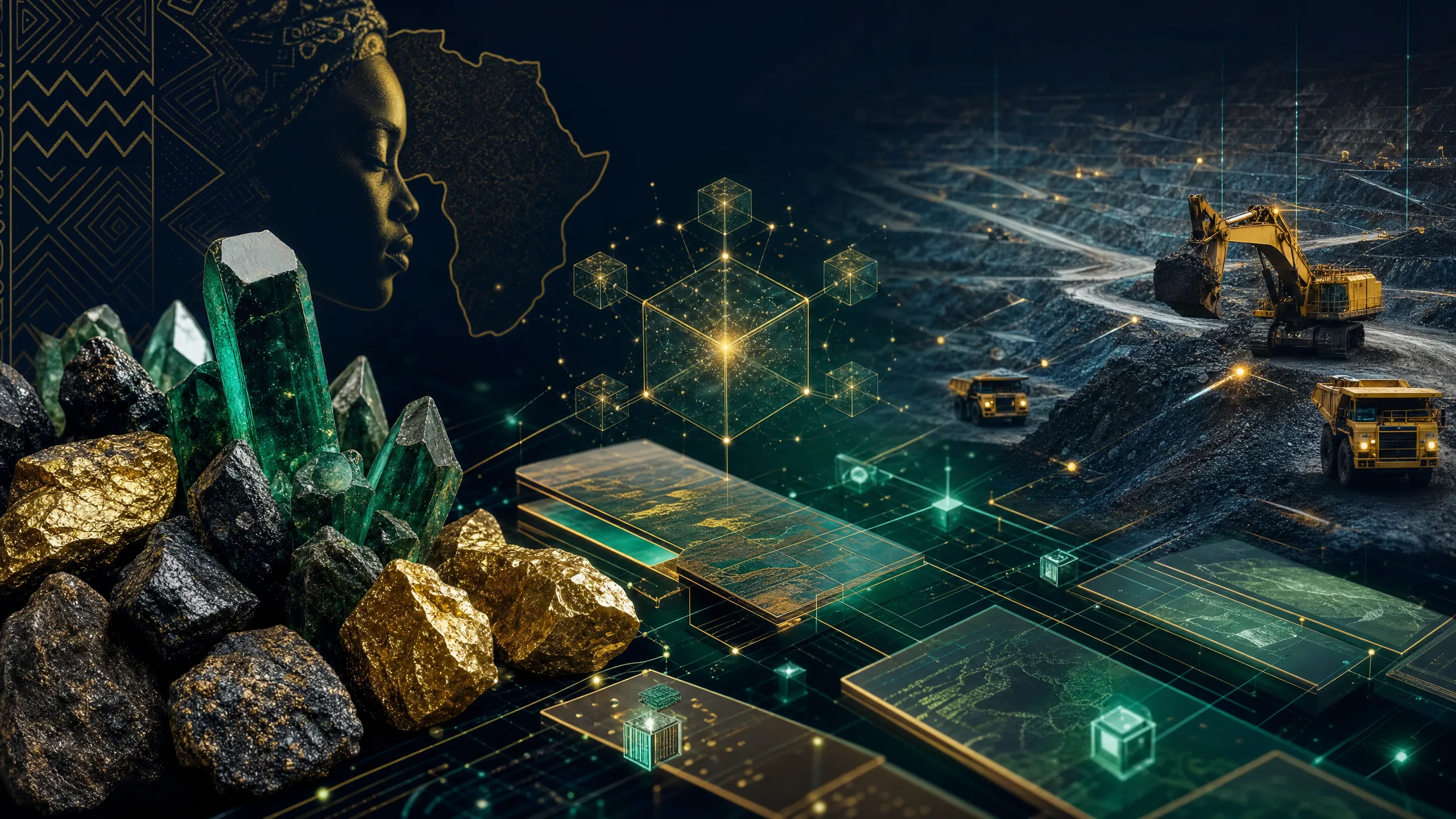
Transparency and traceability are paramount in the modern mining industry, particularly concerning the ethical sourcing of critical minerals. Blockchain mining finance addresses these concerns by providing an immutable, decentralized ledger that records every transaction and movement of materials. From the point of extraction to the final end-user, blockchain technology ensures that the entire supply chain is transparent and verifiable. This level of traceability is crucial for verifying that minerals are extracted sustainably and without the use of exploitative labor practices, thereby satisfying the stringent requirements of global manufacturers and consumers.
Implementing blockchain solutions in African mining operations can significantly reduce the incidence of illicit mining and smuggling, which have historically plagued the sector. By registering mineral assets on a blockchain, governments and regulatory bodies can monitor production volumes and ensure accurate tax collection and royalty payments. This enhanced oversight not only boosts national revenues but also creates a more stable and predictable regulatory environment for investors. Furthermore, the immutable nature of blockchain records prevents data tampering, providing a single source of truth that all stakeholders can rely upon for auditing and compliance purposes.
Green Mining Finance: Aligning Crypto for Mining with ESG Goals
The concept of green mining finance is gaining traction as stakeholders recognize the urgent need to decarbonize the extraction industry. Crypto for mining initiatives are at the forefront of this movement, leveraging the financial innovation of the cryptocurrency sector to fund environmentally sustainable mining projects. By issuing specialized green tokens, mining companies can raise capital earmarked for renewable energy installations, water conservation, and land rehabilitation. These green tokens often come with embedded incentives, such as higher yields or governance rights, to attract environmentally conscious investors.
The alignment of crypto for mining with ESG goals is further strengthened by the use of decentralized finance (DeFi) protocols. DeFi platforms can facilitate peer-to-peer lending and borrowing, allowing sustainable mining projects to access capital at competitive rates without relying on traditional financial intermediaries. Additionally, DeFi protocols can be designed to automatically adjust interest rates based on the project's real-time environmental performance, creating a direct financial incentive for mining companies to minimize their ecological footprint. This innovative approach to green mining finance ensures that capital flows toward the most sustainable and efficient operations.
Conclusion: The Future of Digital Infrastructure in African Mining
The growth of digital assets Africa is experiencing represents a watershed moment for the continent's economic development and mining sector. By embracing innovative financial technologies, Africa can overcome historical barriers to capital formation and establish itself as a global leader in sustainable mineral extraction. The deployment of robust digital infrastructure, including blockchain networks and digital asset exchanges, is essential for realizing this vision. As governments and regulatory bodies continue to develop clear and supportive frameworks for digital assets, the continent will become increasingly attractive to international investors seeking both financial returns and positive environmental impact.
Ultimately, the successful financing of sustainable mineral extraction in Africa via digital assets will require a collaborative effort between governments, industry leaders, and the global financial community. By fostering an ecosystem of innovation and transparency, Africa can leverage its mineral wealth to drive broad-based economic development and digital transformation. Strategic partnerships will be crucial in building the necessary capacity and regulatory frameworks to support this emerging asset class. This transition toward a sustainable, digitally empowered mining sector will secure critical minerals for the global energy transition while laying the foundation for a prosperous African economy.