
The Rising Importance of Digital Finance in Africa’s Mineral Sector
Africa’s mineral wealth has long been a cornerstone of its economic development, contributing significantly to export earnings and foreign exchange reserves. However, traditional mineral export tracking systems have often been plagued by inefficiencies, lack of transparency, and opportunities for illicit activities such as smuggling and fraud. The emergence of digital finance solutions offers a transformative pathway to enhance the reliability, security, and efficiency of mineral export tracking across the continent.
Digital finance in Africa has witnessed exponential growth, driven by increased mobile penetration, expanding internet connectivity, and progressive regulatory frameworks. According to the GSMA Mobile Economy report (2023), Sub-Saharan Africa now has over 600 million unique mobile subscribers, a key enabler for digital financial services. This digital infrastructure minerals ecosystem provides fertile ground for deploying innovative tracking solutions that leverage real-time financial transactions and data analytics.
Blockchain Technology as a Game-Changer in Mineral Export Tracking
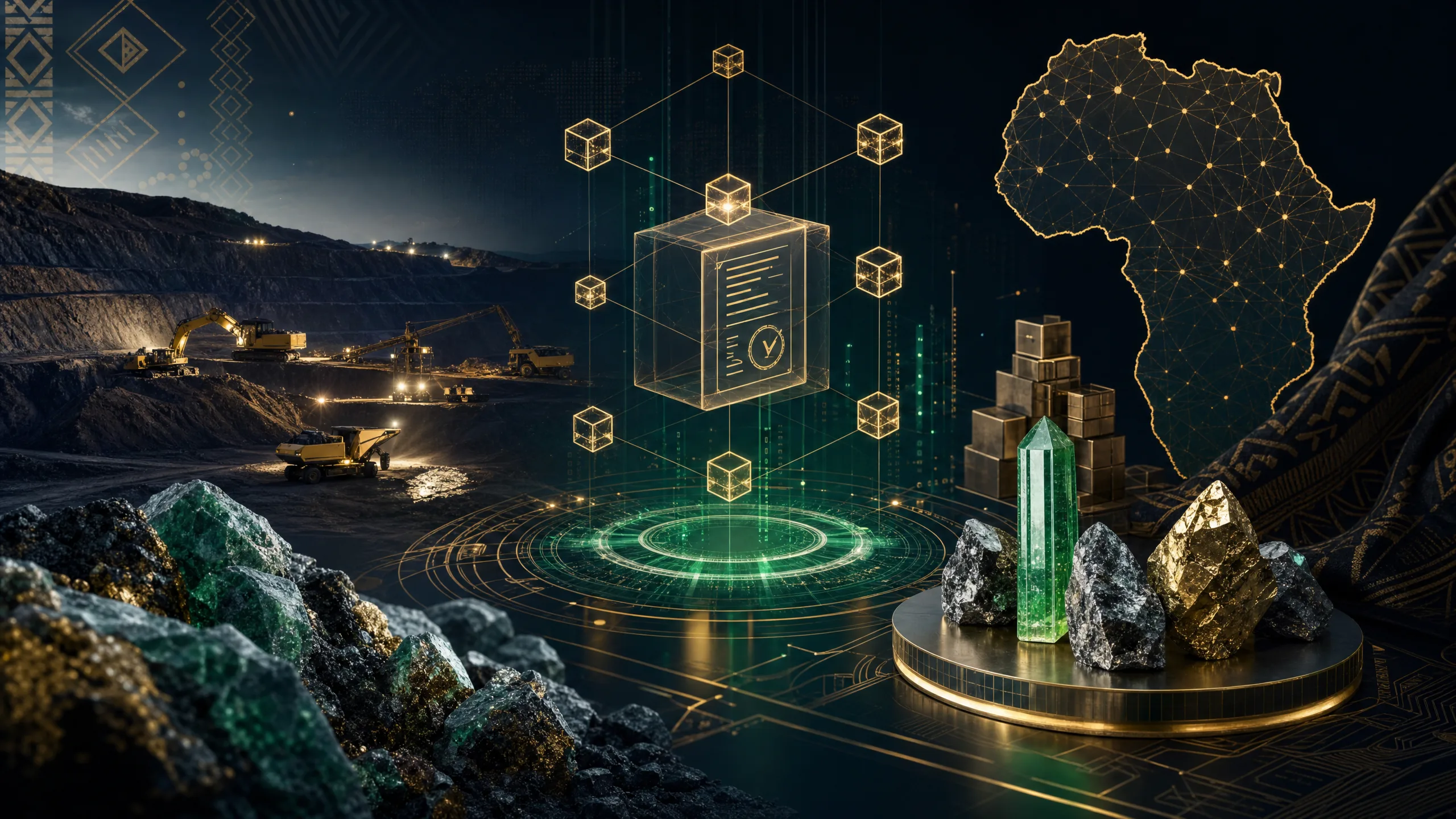
Blockchain Africa initiatives have rapidly gained traction as an effective tool for mineral export tracking. Blockchain’s decentralized ledger system ensures immutable, transparent, and tamper-proof records of mineral origin, ownership, and transaction history. This technology is particularly relevant for African mineral exports, where provenance verification and compliance with international standards such as the Kimberley Process for diamonds or the OECD Due Diligence Guidance for conflict minerals are critical.
Countries like Ghana and South Africa are pioneering blockchain pilots to digitize and secure their mineral supply chains. For example, Ghana’s Precious Minerals Marketing Company has introduced blockchain-based certification to authenticate gold exports, improving traceability and reducing illicit trade. Such blockchain applications not only enhance accountability but also build investor confidence by offering verifiable data on mineral provenance and transaction integrity.
Tokenization and the Future of Mineral Supply Chain Financing
Tokenization—the process of creating digital tokens representing physical assets—presents significant opportunities for mineral supply chain financing. By tokenizing mineral assets, stakeholders can unlock liquidity, facilitate fractional ownership, and streamline trade finance. This approach aligns with the broader African digital economy transformation, where asset digitization is redefining traditional financial services.
Tokenized mineral exports enable real-time tracking of asset ownership and movement, reducing settlement times and enhancing security. For institutional investors, tokenization offers a novel mechanism to invest directly in verified mineral assets, bypassing cumbersome intermediaries. Moreover, tokenized platforms can integrate smart contracts to automate compliance checks, payments, and reporting, thereby reducing operational risks and costs.
Challenges in Implementing Digital Finance Solutions for Mineral Export Tracking
Despite the promising prospects, several challenges hinder the widespread adoption of digital finance and blockchain technologies in Africa’s mineral export sector. Digital infrastructure minerals, such as reliable internet connectivity, data centers, and cybersecurity frameworks, remain unevenly developed across many African regions. This infrastructural gap limits the scalability of digital tracking solutions and the seamless integration of blockchain platforms with existing systems.
Additionally, regulatory uncertainties pose significant barriers. While some African governments have embraced blockchain-friendly policies, others remain cautious due to concerns over data sovereignty, privacy, and the potential misuse of digital currencies. Harmonizing regulatory frameworks across the Pan-African region is essential to facilitate cross-border mineral trade and finance.
Case Studies Highlighting Successful Digital Finance Integration
Several African countries provide compelling examples of how digital finance is reshaping mineral export tracking. In Tanzania, the government’s adoption of a blockchain-based mineral traceability system for tanzanite has significantly reduced illicit trade and improved revenue collection. This initiative, supported by partnerships between local authorities and fintech firms, demonstrates the potential for public-private collaboration in advancing digital finance applications.
Similarly, Rwanda’s mining sector has integrated digital payment systems to facilitate transparent and efficient mineral transactions. By leveraging mobile money platforms widely used in the country, Rwanda has enhanced the traceability of mineral exports and minimized cash-based corruption risks. These cases underscore the importance of combining digital infrastructure minerals with innovative financial technologies to enhance the integrity and competitiveness of African mineral exports on the global stage.
The Future of Digital Infrastructure and Mineral Export Tracking in Africa
Looking ahead, the future of mineral export tracking in Africa is inextricably linked to the continent’s digital economy transformation. Investments in digital infrastructure minerals—such as 5G networks, cloud computing, and blockchain hubs—will be pivotal in enabling more sophisticated, scalable tracking systems. Policymakers must prioritize creating enabling environments that support innovation, protect data rights, and encourage cross-border collaboration.
Emerging trends such as the deployment of Internet of Things (IoT) sensors combined with blockchain can further enhance real-time monitoring of mineral shipments, reducing losses and ensuring compliance with international standards. Additionally, the convergence of artificial intelligence and digital finance can provide predictive analytics to optimize mineral supply chains and mitigate risks. For institutional investors and governments alike, embracing these technologies offers a pathway to not only improve transparency and efficiency but also to unlock new value in Africa’s vast mineral resources.
In conclusion, digital finance and blockchain technologies represent transformative tools for the future of mineral export tracking in Africa. By leveraging these innovations within a robust digital infrastructure minerals framework, Africa can safeguard its mineral wealth, attract investment, and foster sustainable economic growth. The continent stands at the cusp of a digital revolution that promises to redefine the governance and financing of its mineral sectors, driving inclusive prosperity and global competitiveness.