
The Current Landscape of the African Mineral Trade
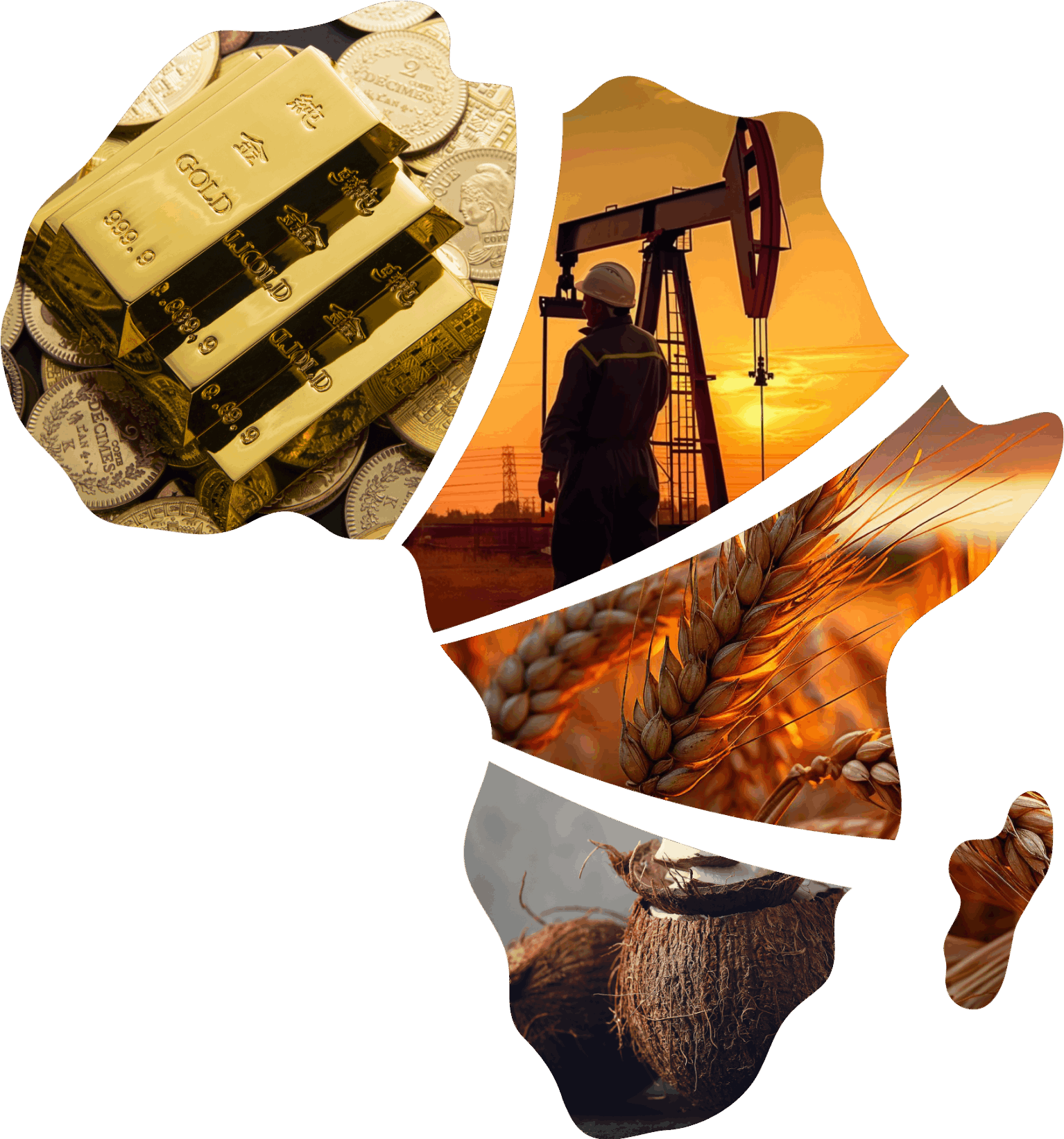
The African mineral trade is a cornerstone of the continent's economic development, supplying the global market with critical resources like cobalt, gold, diamonds, and copper. Despite its immense potential, the sector remains plagued by systemic inefficiencies, opacity, and widespread fraudulent activities. Traditional supply chain management relies heavily on paper-based documentation, manual verification processes, and fragmented communication channels across multiple jurisdictions. These outdated methodologies create numerous vulnerabilities, allowing illicit actors to exploit loopholes for smuggling, tax evasion, and the introduction of conflict minerals into legitimate markets. Consequently, local economies suffer from reduced profitability and compromised ethical standards.
In recent years, the demand for transparency and ethical sourcing has intensified, driven by stringent international regulations and shifting consumer expectations. Institutional investors and multinational corporations are increasingly scrutinizing the mineral supply chain to ensure compliance with environmental, social, and governance (ESG) criteria. However, achieving this level of traceability within the complex African mineral trade is a formidable challenge using conventional systems. The sheer volume of intermediaries involved creates a convoluted network where data is easily manipulated or lost. This opacity creates fraud reduction challenges and hinders the equitable distribution of wealth.
Leveraging Blockchain for Enhanced Traceability
Blockchain technology has emerged as a transformative force capable of revolutionizing the mineral supply chain by providing an immutable, decentralized ledger for recording transactions. In the context of the African mineral trade, blockchain offers a secure platform where every participant in the supply chain can access a single source of truth regarding the provenance and movement of resources. When a batch of minerals is extracted, its unique data—such as weight, grade, origin, and extraction date—can be digitized and recorded on the blockchain. As the minerals change hands, each subsequent transaction is cryptographically secured and linked to the previous one.
This unprecedented level of traceability is instrumental in combating the pervasive issue of conflict minerals and ensuring ethical sourcing practices. By utilizing blockchain, stakeholders can verify that the minerals they purchase have not been used to finance armed conflict or human rights abuses. For institutional investors and regulatory bodies, this means access to real-time, verifiable data that can be used to monitor compliance and enforce industry standards effectively.
Smart Contracts: Automating Compliance and Transactions
At the heart of this technological revolution are smart contracts, self-executing digital agreements with the terms of the contract directly written into lines of code. In the African mineral trade, smart contracts serve as the operational engine that automates compliance, payments, and the transfer of ownership based on predefined conditions. For instance, a smart contract can be programmed to release payment to a local aggregator only when a verified logistics provider confirms the receipt of a specific quantity of minerals. This automation eliminates the need for manual intervention, significantly reducing the potential for human error and deliberate manipulation.
The deployment of smart contracts is a critical component of broader fraud reduction strategies within the sector. By ensuring that transactions are executed only when all conditions are met and verified by multiple parties on the blockchain, smart contracts create a trustless environment where participants do not need to rely on the integrity of their counterparties. This mechanism is particularly beneficial in mitigating risks associated with forged documents, double-spending, and unauthorized alterations to trade agreements.
Tokenization and the Future of Digital Finance
The convergence of blockchain and smart contracts paves the way for the tokenization of physical assets, a paradigm shift that holds immense potential for the African mineral trade. Tokenization involves representing real-world assets, such as a specific quantity of gold or cobalt, as digital tokens on a blockchain. These tokens can be fractionalized, traded, and used as collateral within decentralized finance (DeFi) ecosystems. For the mineral sector, tokenization introduces unprecedented liquidity and opens up new avenues for investment. Institutional investors can gain exposure to African commodities without the logistical complexities of physical storage and transportation.
This innovative approach to digital finance also addresses the persistent challenge of capital misallocation and underinvestment in African infrastructure. By tokenizing mineral assets, stakeholders can create transparent, auditable investment vehicles that attract capital for sustainable mining projects and local community development. The fractional ownership enabled by tokenization democratizes access to investment opportunities, allowing a wider range of participants to benefit from the continent's natural wealth.
Building Resilient Digital Infrastructure
The successful implementation of smart contracts and blockchain technology in the African mineral trade requires the development of robust and scalable digital infrastructure. While the theoretical benefits of these technologies are clear, their practical application is contingent upon reliable internet connectivity, secure data storage, and interoperable software platforms. Governments and private sector actors must collaborate to invest in the necessary telecommunications and technological infrastructure to support this digital transformation. This includes expanding broadband access in remote mining regions, establishing secure data centers, and developing standardized protocols that allow different blockchain networks to communicate seamlessly.
Moreover, building resilient digital infrastructure involves cultivating a skilled workforce capable of developing, maintaining, and auditing these advanced systems. There is a pressing need for educational initiatives and capacity-building programs focused on blockchain development, cryptography, and digital finance across the continent. By investing in human capital, African nations can ensure that they are not merely consumers of imported technology but active participants and innovators in the global digital economy.