Sierra Leone holds the world's largest natural deposit of rutile, a critical titanium-bearing mineral essential for modern industries. As global demand for high-grade titanium dioxide surges, Sierra Leone's mining sector is experiencing a significant resurgence, presenting a compelling opportunity for institutional investors and policymakers. With mining contributing over 70% of the nation's export earnings and driving economic recovery, the digitization and tokenization of these vast mineral assets through platforms like AfriVest could unlock unprecedented value and transparency in West Africa's resource sector.
The Strategic Importance of Rutile
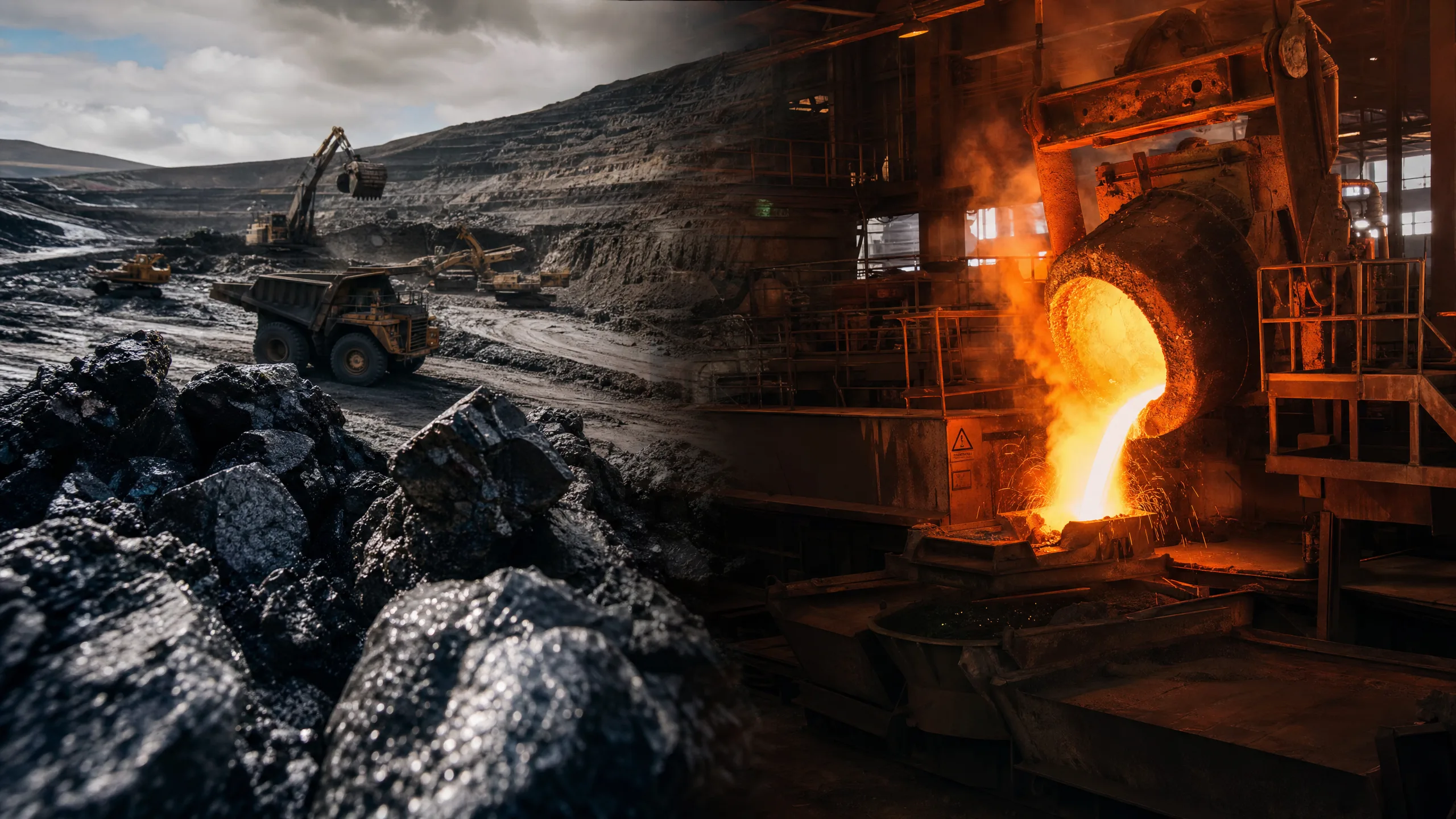
Rutile (TiO2) is the highest-grade natural form of titanium dioxide, prized for its high refractive index, resistance to corrosion, and strength-to-weight ratio. It is a primary feedstock for manufacturing titanium metal, which is indispensable in aerospace, defense, and medical applications. Additionally, rutile is extensively used in producing high-quality pigments for paints, plastics, and paper, as well as in welding electrode fluxes.
Unlike ilmenite, which requires energy-intensive processing to upgrade its titanium content, natural rutile can be processed more efficiently, making it highly sought after in the global market. As viable natural rutile deposits become increasingly scarce worldwide, Sierra Leone's abundant reserves position the country as a critical player in the global supply chain.
Sierra Leone's Unrivaled Rutile Reserves
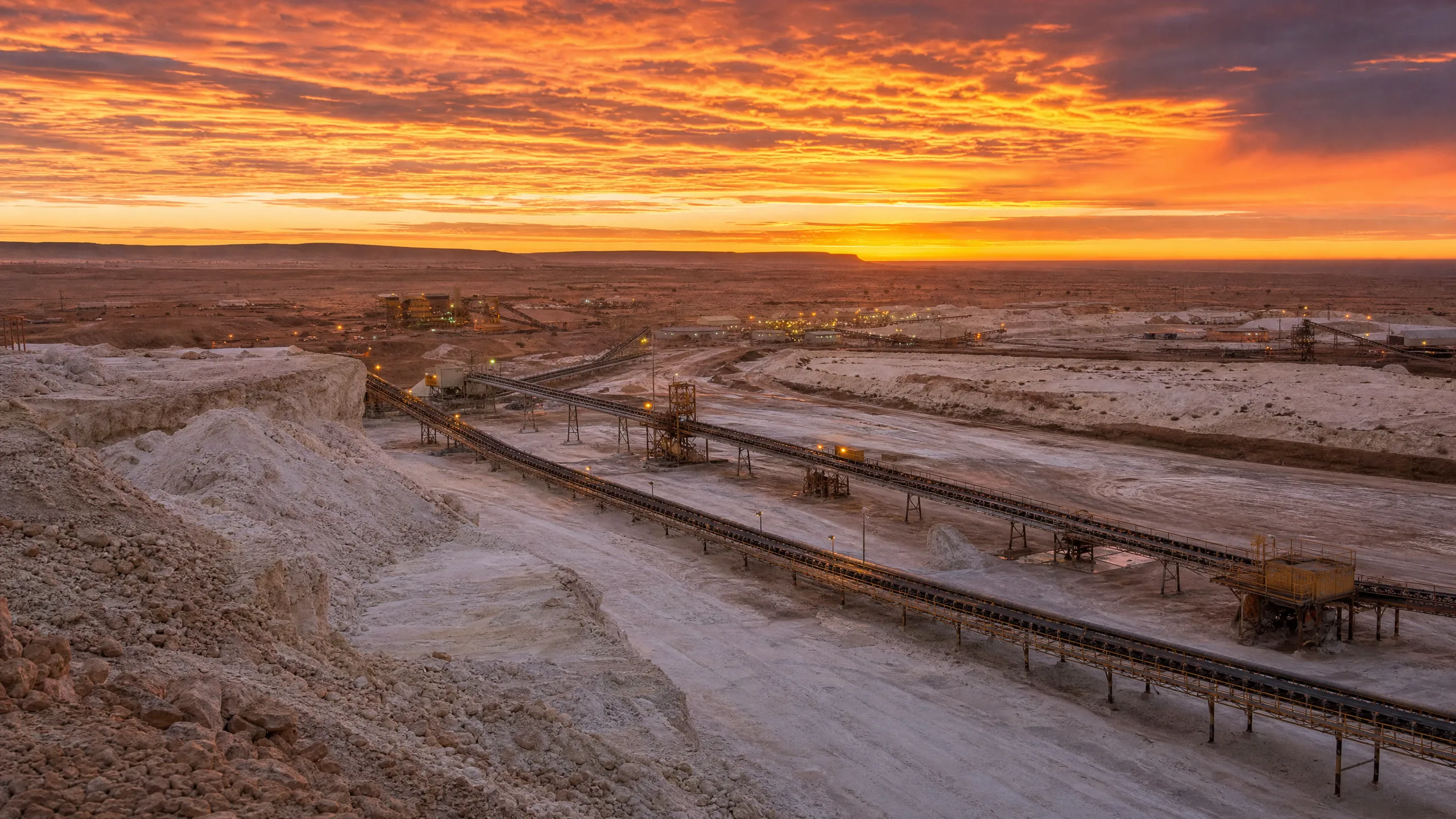
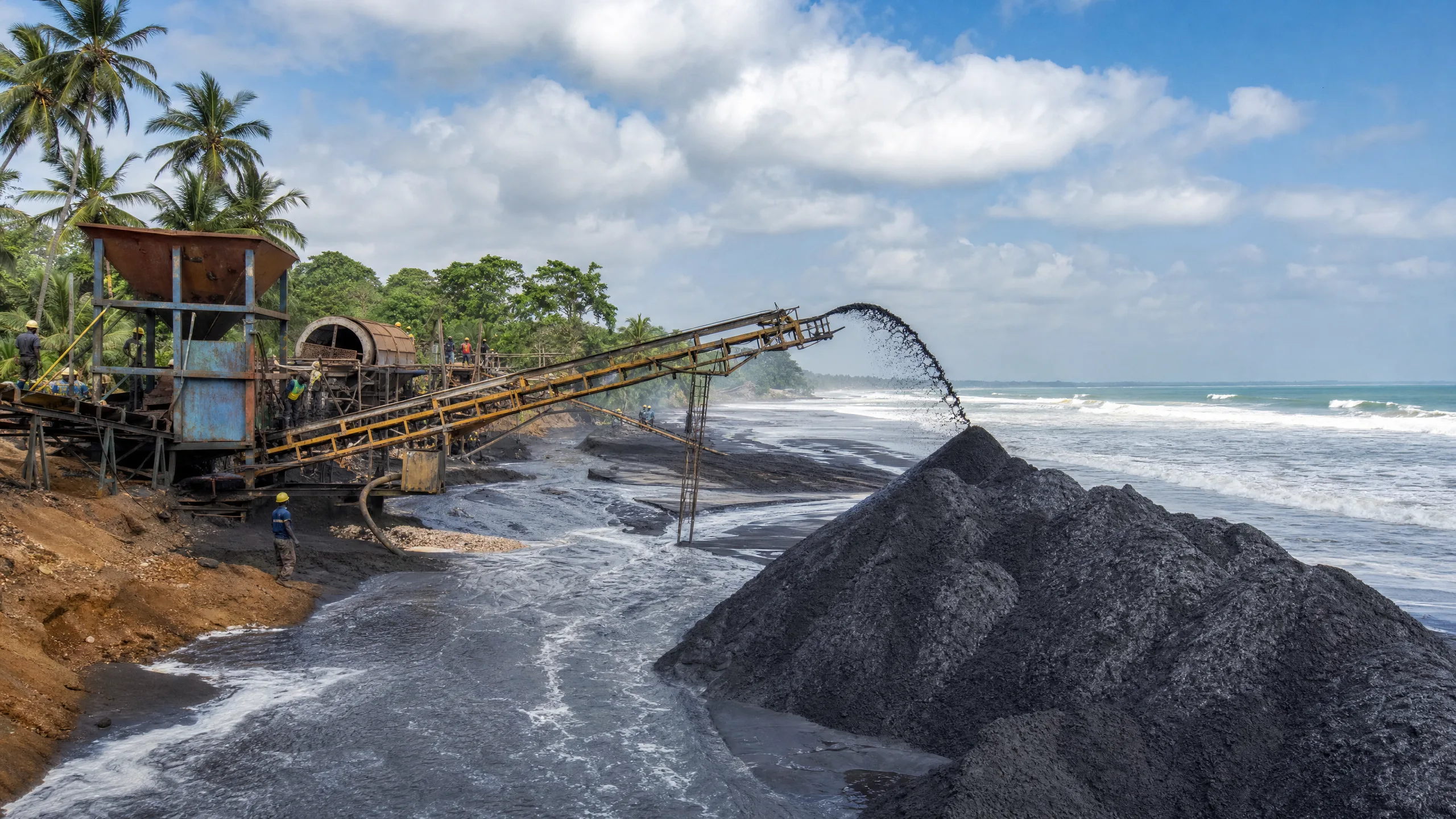
Sierra Leone is globally recognized for its massive rutile deposits, primarily located in the southern and south-western regions of the country. The deposits are predominantly found in unconsolidated sediments known as shoreline placer deposits, which are alluvial formations created by rivers depositing heavy minerals over millennia.
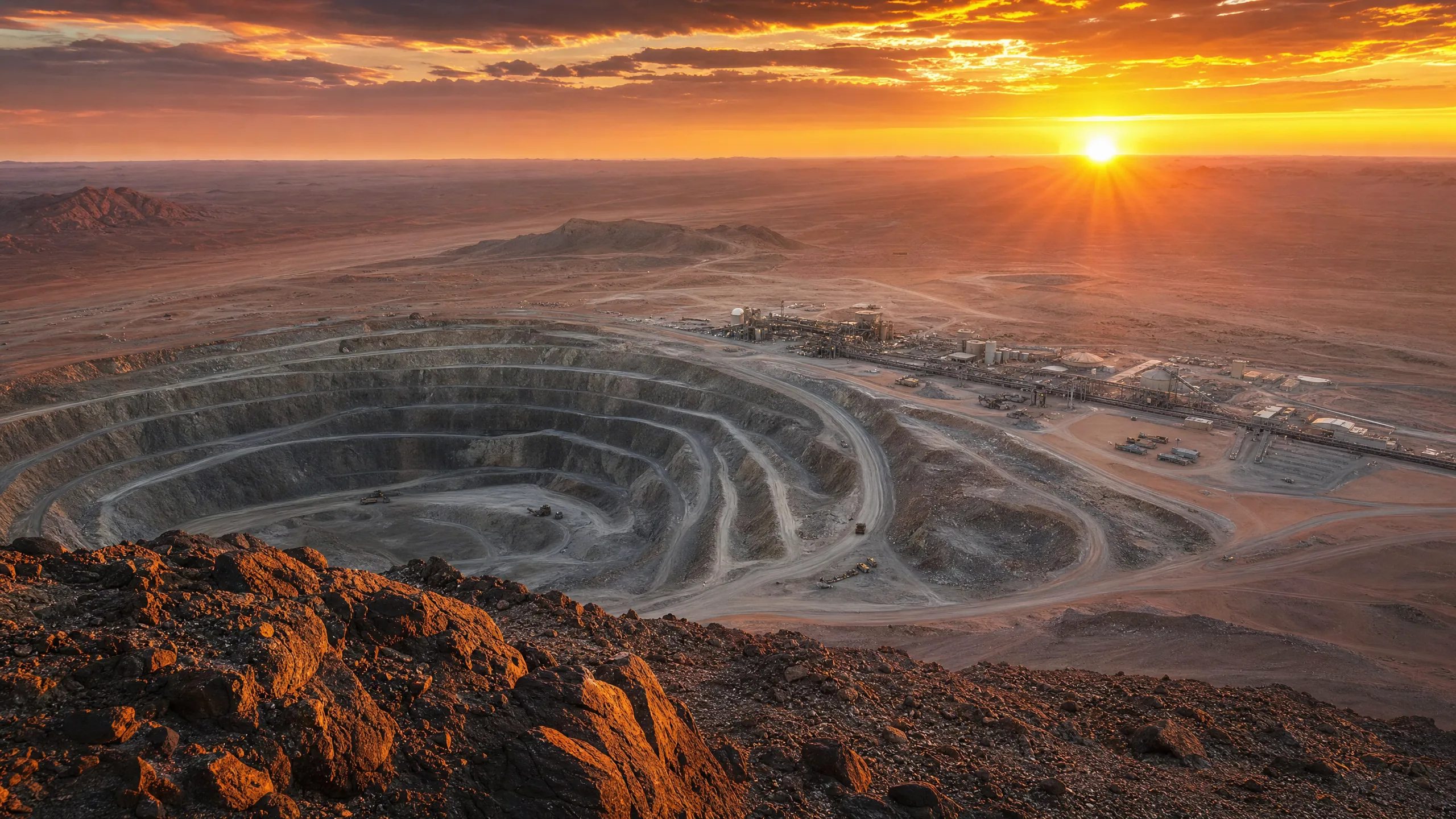
Key mining sites include Gbangbama, Rotifunk, Sembehun, and Kambia. The Sierra Rutile operations, historically the world's largest producer of natural rutile, account for over 20% of global supply. The Area 1 operations, encompassing the Lanti and Gangama dry mines, feature extensive infrastructure, including multiple wet concentrator plants, a mineral separation plant with a capacity of 175,000 tonnes per annum, and a dedicated port facility.
Economic Impact and Production Figures
The mining sector is the backbone of Sierra Leone's economy. In 2024, mining contributed approximately 0.8% to the national GDP, over 70% of export earnings, 5.2% of government revenue, and 3.5% of employment. Overall mining revenue reached USD 49.4 million, up from USD 31.9 million in 2023, signaling strong economic recovery and growth.
While iron ore and diamonds remain significant exports, rutile plays a crucial role. Historically, Sierra Rutile has produced substantial volumes, with 137,000 tonnes of rutile produced in 2019 and 122,000 tonnes in 2018. Despite recent operational suspensions due to market conditions and fiscal uncertainties, the resumption of mining and processing activities in mid-2024 underscores the resilience and long-term viability of the sector. The development of the Sembehun mine expansion project further highlights the commitment to sustaining and increasing production capacity.
Regulatory Reforms and Investment Climate
Sierra Leone has implemented significant legal and regulatory reforms to enhance governance, transparency, and investor confidence in the mining sector. The National Mineral Agency (NMA) leads policy enforcement, while digital systems for licensing and contract disclosure have improved public access to data.
The Mines and Mineral Development Act (2022) ensures community consent and equitable benefit-sharing, while the Environment Protection Act (2022) enforces stringent environmental safeguards. Fiscal laws, such as the Extractive Industries Revenue Act (2018), aim to optimize revenue management. The government also offers attractive investment incentives, including tax holidays and duty exemptions on mining equipment, to attract responsible, long-term capital.
The Future: Tokenization and Digital Infrastructure
As Sierra Leone continues to modernize its mining sector, the integration of digital infrastructure and blockchain technology presents a transformative opportunity. Tokenizing real-world assets, such as rutile production and reserves, can democratize access to investment, enhance liquidity, and provide unparalleled transparency in the supply chain.
Platforms like AfriVest are at the forefront of this revolution, digitizing Africa's assets to connect institutional investors with high-value commodities. By leveraging tokenization, investors can participate in the lucrative titanium market with greater security and efficiency, while Sierra Leone can attract the capital needed to fully realize the potential of its world-class rutile deposits. The convergence of traditional mining and digital finance heralds a new era of sustainable growth and prosperity for West Africa.