The Imperative for Agricultural Transformation in Africa
Africa's agricultural sector remains the fundamental backbone of the continent's economy, employing over sixty percent of the workforce and contributing significantly to the gross domestic product of numerous nations. Despite its vast arable land and immense potential, the sector faces systemic challenges that threaten long-term stability and growth. Inefficiencies in traditional agricultural practices, coupled with climate change impacts and infrastructural deficits, have exacerbated vulnerabilities across the continent.
The current landscape of African agriculture is characterized by fragmented supply chains, lack of transparency, and limited access to critical financial services for smallholder farmers. These structural bottlenecks not only stifle individual prosperity but also pose severe risks to broader economic development and regional stability. Food security technology has thus emerged as a critical focal point for policymakers and institutional investors seeking sustainable interventions. Innovative digital platforms are increasingly being deployed to bridge the gap between rural farmers and global markets, facilitating seamless transactions and data exchange.
Enhancing Traceability and Transparency in Supply Chains
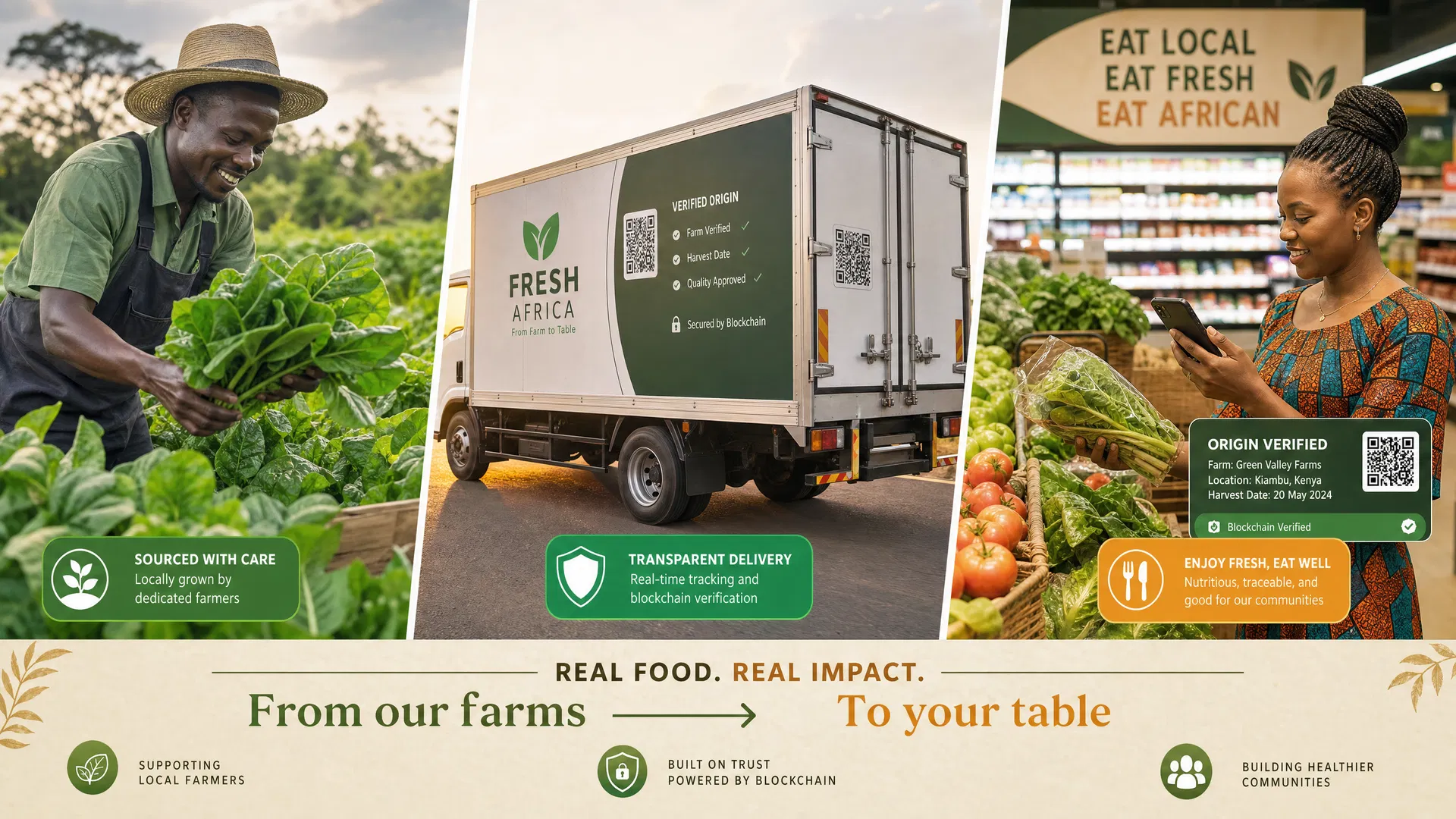
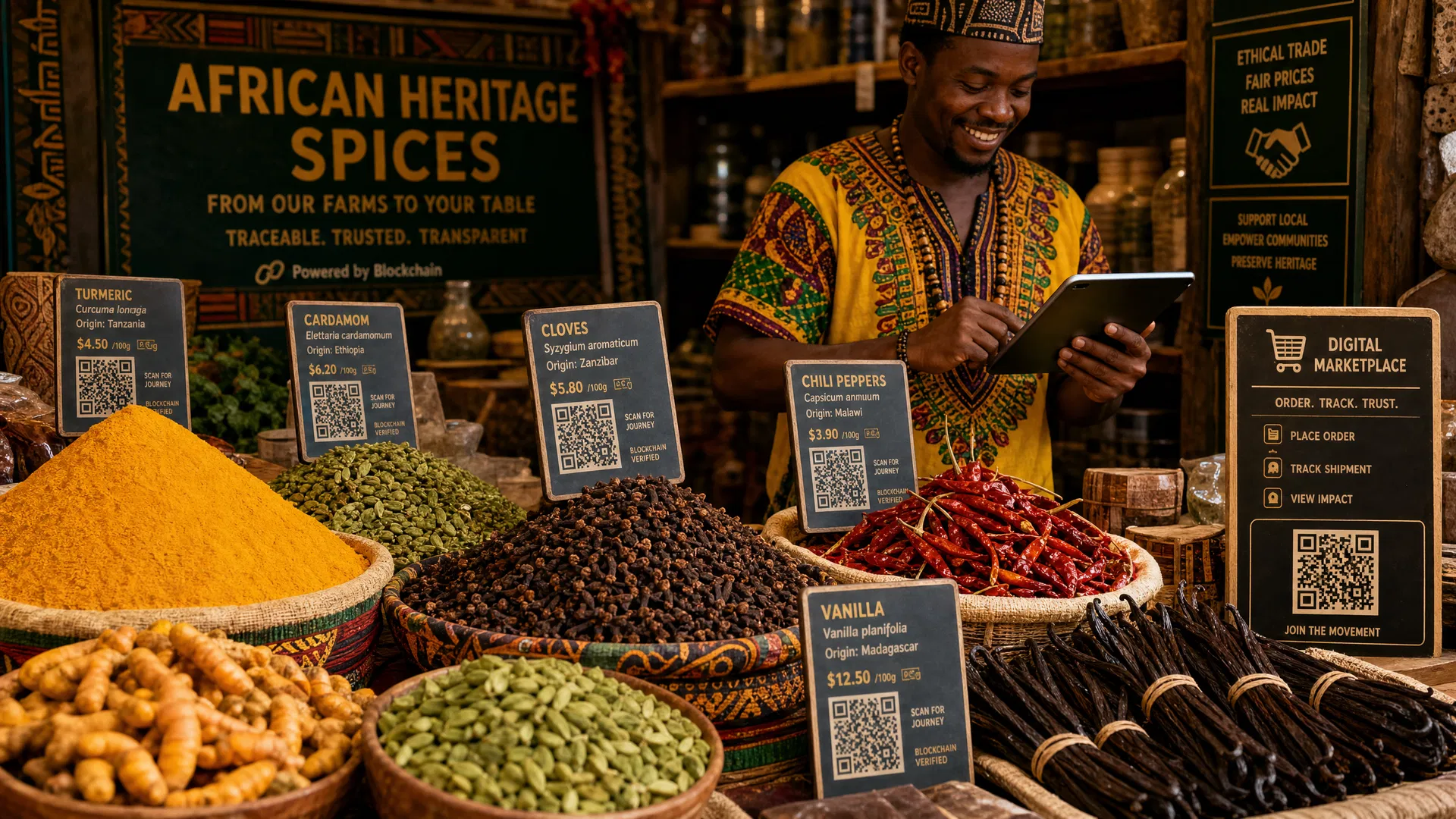
One of the most profound impacts of blockchain technology in the agricultural sector is its ability to establish unparalleled traceability and transparency across complex supply chains. Traditional agricultural value chains in Africa are often opaque, involving multiple intermediaries that obscure the origin and journey of produce. This lack of visibility not only diminishes the value captured by primary producers but also raises concerns regarding food safety and quality standards. By implementing a blockchain supply chain, stakeholders can record every transaction and movement of goods on an immutable, decentralized ledger.
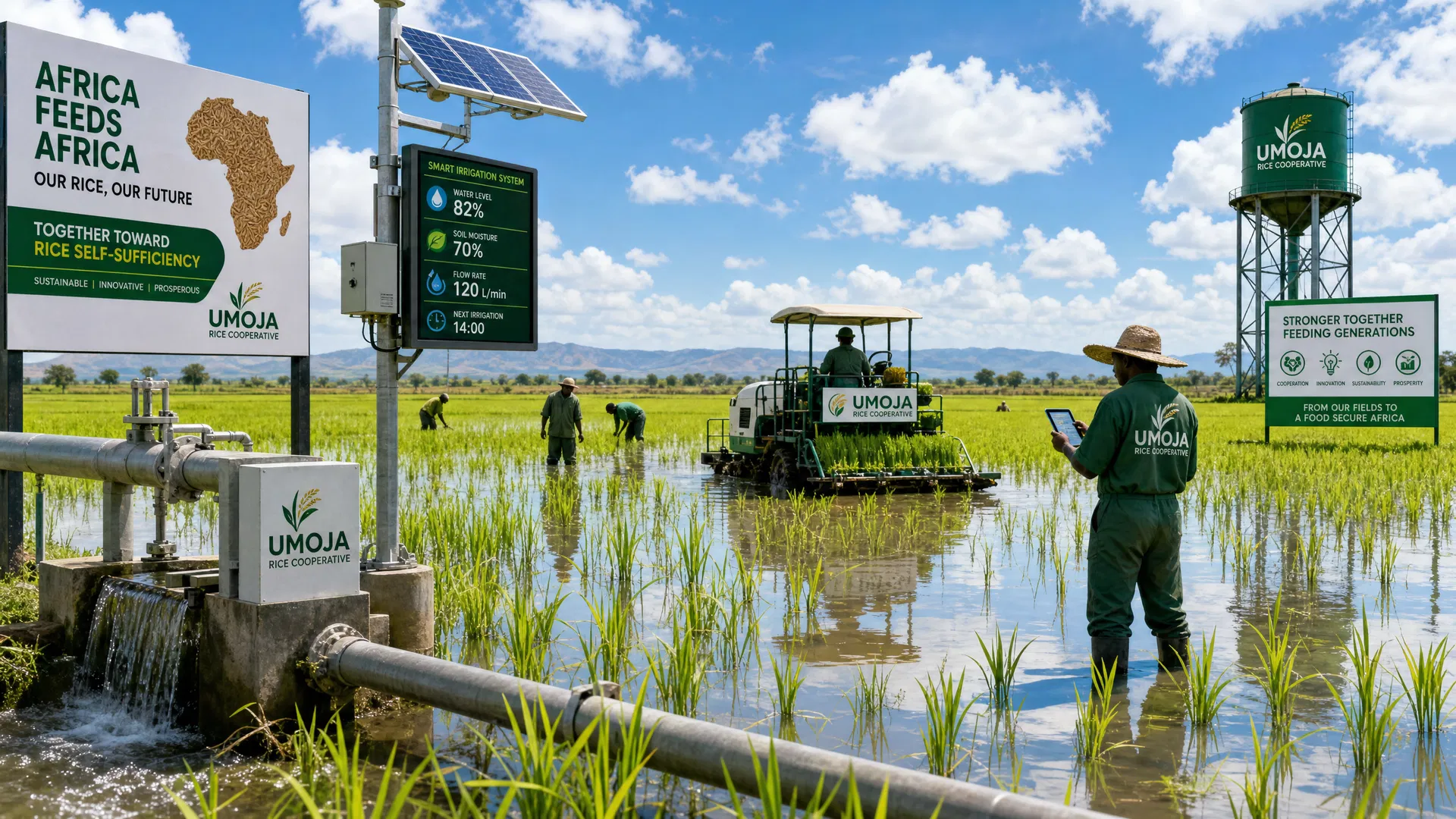
The integration of food security technology within these transparent supply chains further amplifies the benefits for both producers and consumers across the continent. Real-time tracking of environmental conditions, such as temperature and humidity during transit, can be securely logged on the blockchain, significantly reducing the incidence of spoilage. This level of granular data collection empowers stakeholders to identify inefficiencies and optimize logistics, thereby enhancing overall operational efficiency and profitability. Moreover, the enhanced transparency facilitated by blockchain agriculture Africa initiatives serves as a powerful deterrent against fraudulent practices, such as the mislabeling of organic products.
Empowering Smallholder Farmers Through Financial Inclusion
Smallholder farmers constitute the overwhelming majority of agricultural producers in Africa, yet they remain disproportionately excluded from formal financial systems and institutional support. This pervasive lack of access to credit, insurance, and savings mechanisms severely limits their capacity to invest in modern farming techniques and withstand external shocks. The advent of digital farming Africa platforms is revolutionizing financial inclusion by providing secure, decentralized avenues for capital formation and risk management. Through the tokenization of agricultural assets, such as land and future crop yields, farmers can collateralize their holdings and access liquidity previously unavailable to them.
Smart contracts, a core component of blockchain technology, are playing a transformative role in mitigating the risks associated with agricultural lending and insurance. By automating the execution of agreements based on predefined conditions, smart contracts eliminate the need for costly intermediaries and reduce the potential for disputes. For instance, weather-indexed insurance products powered by food security technology can automatically disburse payouts to farmers in the event of adverse climatic conditions, ensuring timely relief. This level of automation and reliability is crucial for building trust among financial institutions and encouraging greater investment in the agricultural sector.
Tokenization and the Future of Agricultural Investment
The tokenization of real-world assets is emerging as a groundbreaking mechanism for mobilizing capital and restructuring agricultural investment across the African continent. By converting physical assets, such as arable land and agricultural infrastructure, into digital tokens on a blockchain, stakeholders can fractionalize ownership and lower barriers to entry. This democratization of investment opportunities allows both local and international participants to allocate capital to specific agricultural projects with unprecedented precision and liquidity. The integration of blockchain agriculture Africa frameworks ensures that these tokenized assets are backed by transparent, verifiable data, mitigating traditional investment risks.
Beyond facilitating capital formation, tokenization offers innovative solutions for optimizing resource allocation and incentivizing sustainable farming practices among rural communities. For example, tokens can be designed to represent carbon credits generated through regenerative agriculture, providing farmers with an additional revenue stream while promoting environmental stewardship. This intersection of digital finance and agricultural development aligns the interests of producers, investors, and policymakers toward the common goal of sustainability. Furthermore, the use of tokenized incentives within a blockchain supply chain can encourage adherence to quality standards and ethical labor practices, enhancing export competitiveness.
Conclusion: Forging a Resilient Digital Infrastructure
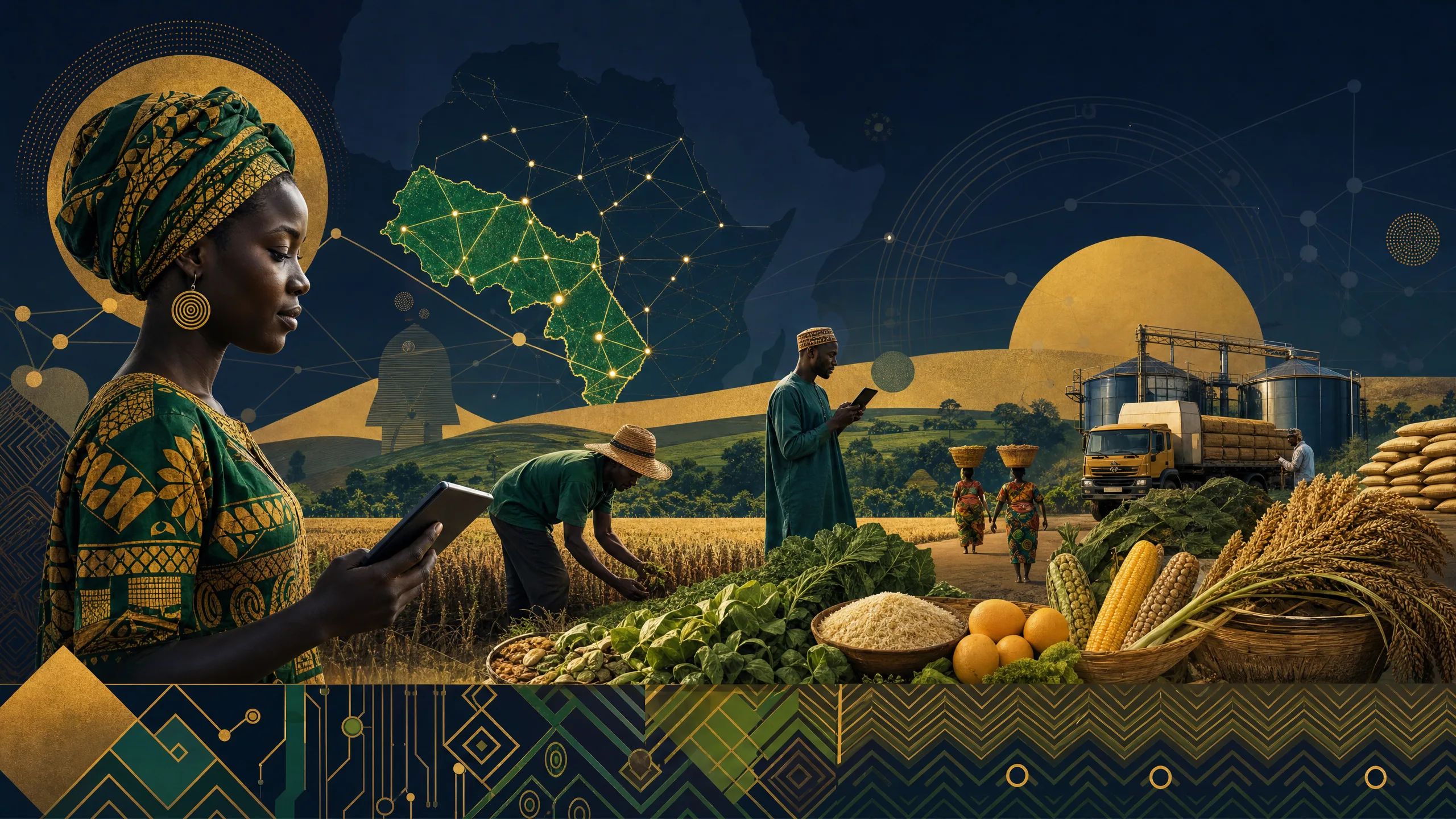
The integration of blockchain technology into Africa's agricultural sector represents a monumental leap toward establishing a resilient, transparent, and inclusive digital economy. By addressing systemic inefficiencies and empowering marginalized producers, these decentralized solutions are fundamentally reshaping the continent's agricultural landscape and economic potential. The strategic deployment of digital farming Africa initiatives has demonstrated the profound capacity of digital innovation to enhance traceability, facilitate financial inclusion, and mobilize critical investment capital. As the global demand for sustainable and ethically sourced agricultural products continues to rise, the adoption of robust food security technology will be paramount.
Looking ahead, the realization of this transformative vision hinges upon the continuous development and expansion of robust digital infrastructure across the continent. Policymakers and institutional investors must prioritize investments in connectivity, digital literacy, and interoperable technological frameworks to ensure equitable distribution of blockchain benefits. The evolution of the blockchain supply chain will increasingly rely on the seamless integration of complementary technologies to create truly intelligent and responsive agricultural ecosystems. By fostering a supportive regulatory environment and encouraging cross-sector collaboration, stakeholders can unlock the full potential of tokenization and decentralized finance.