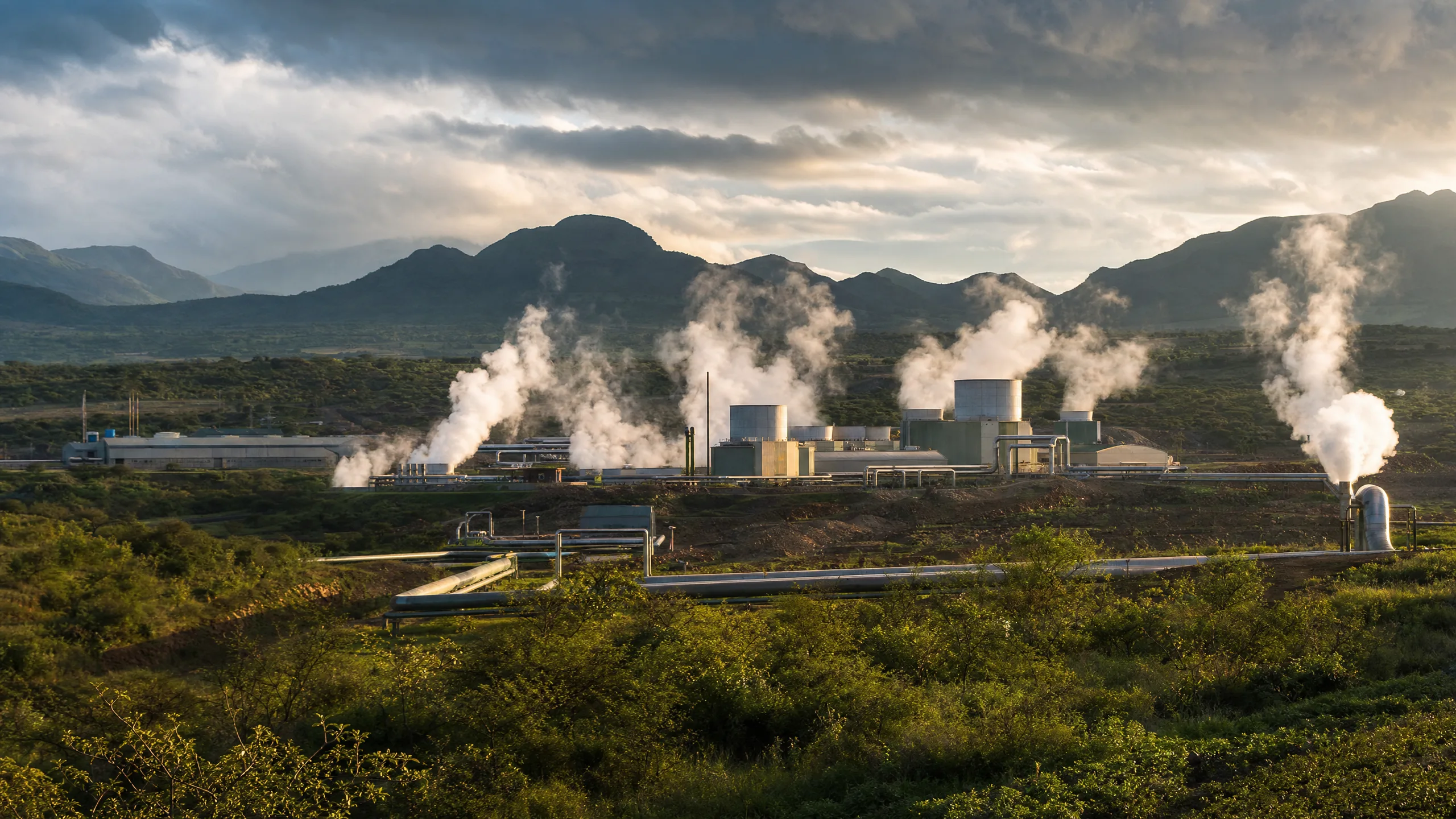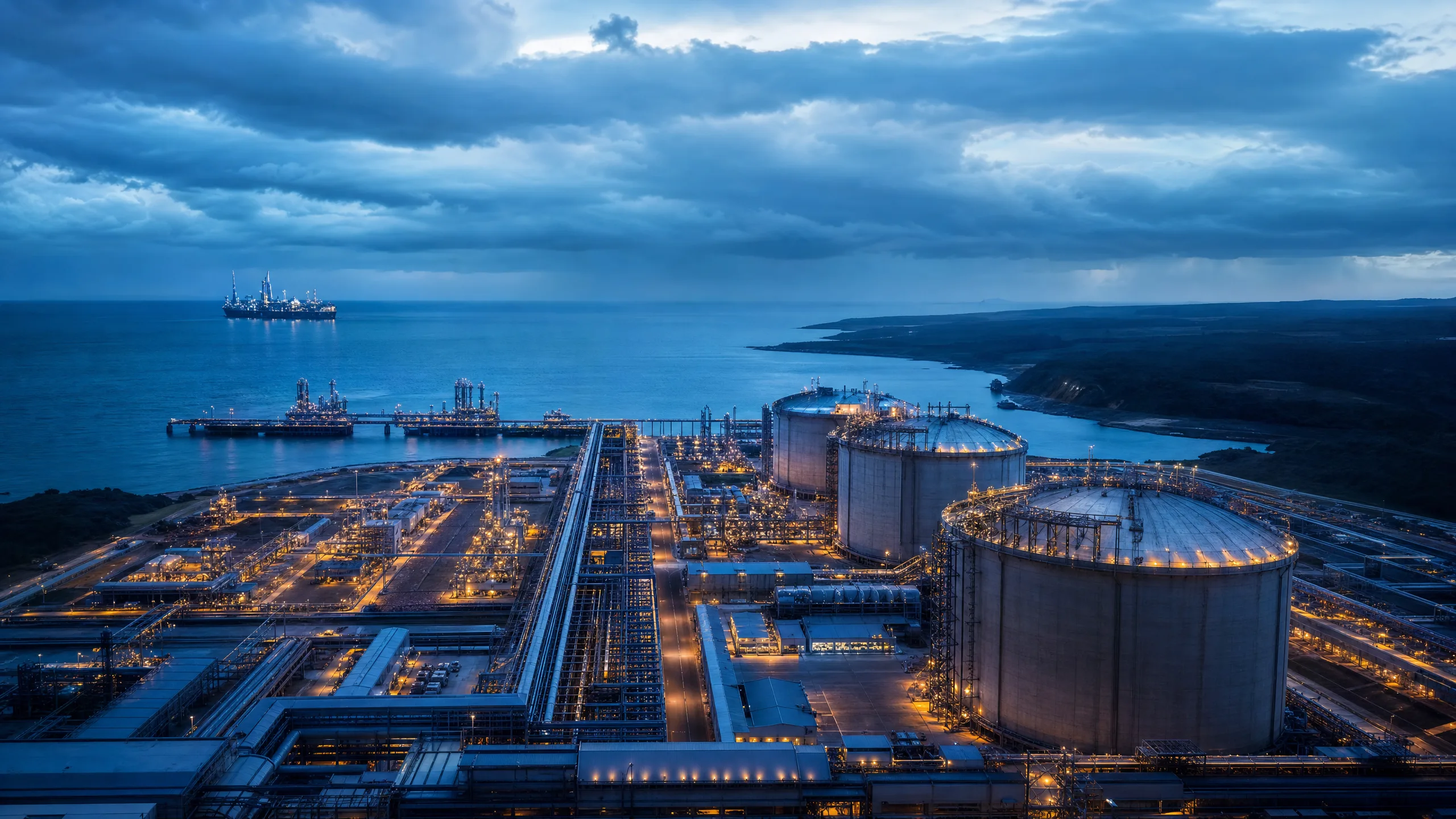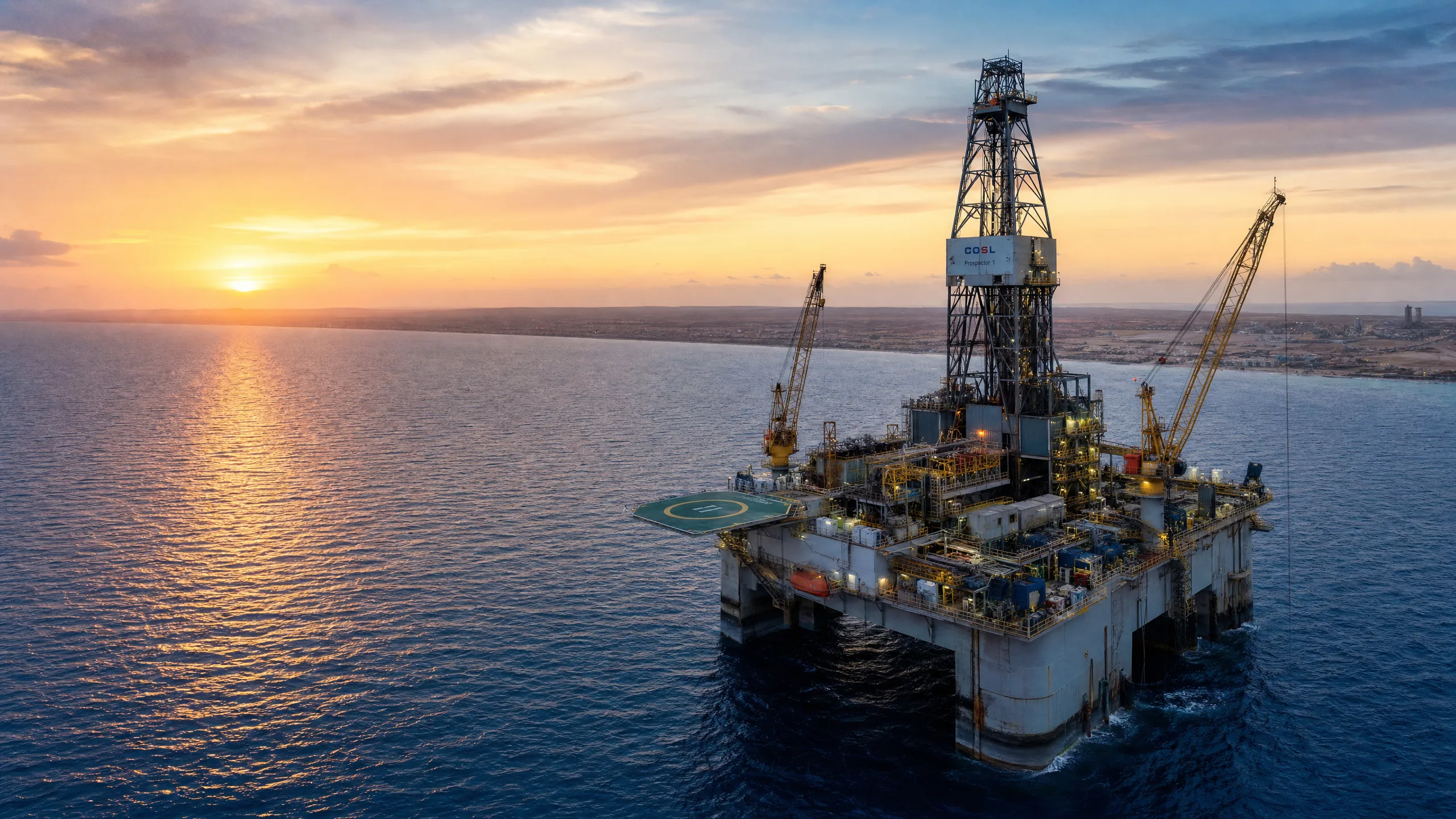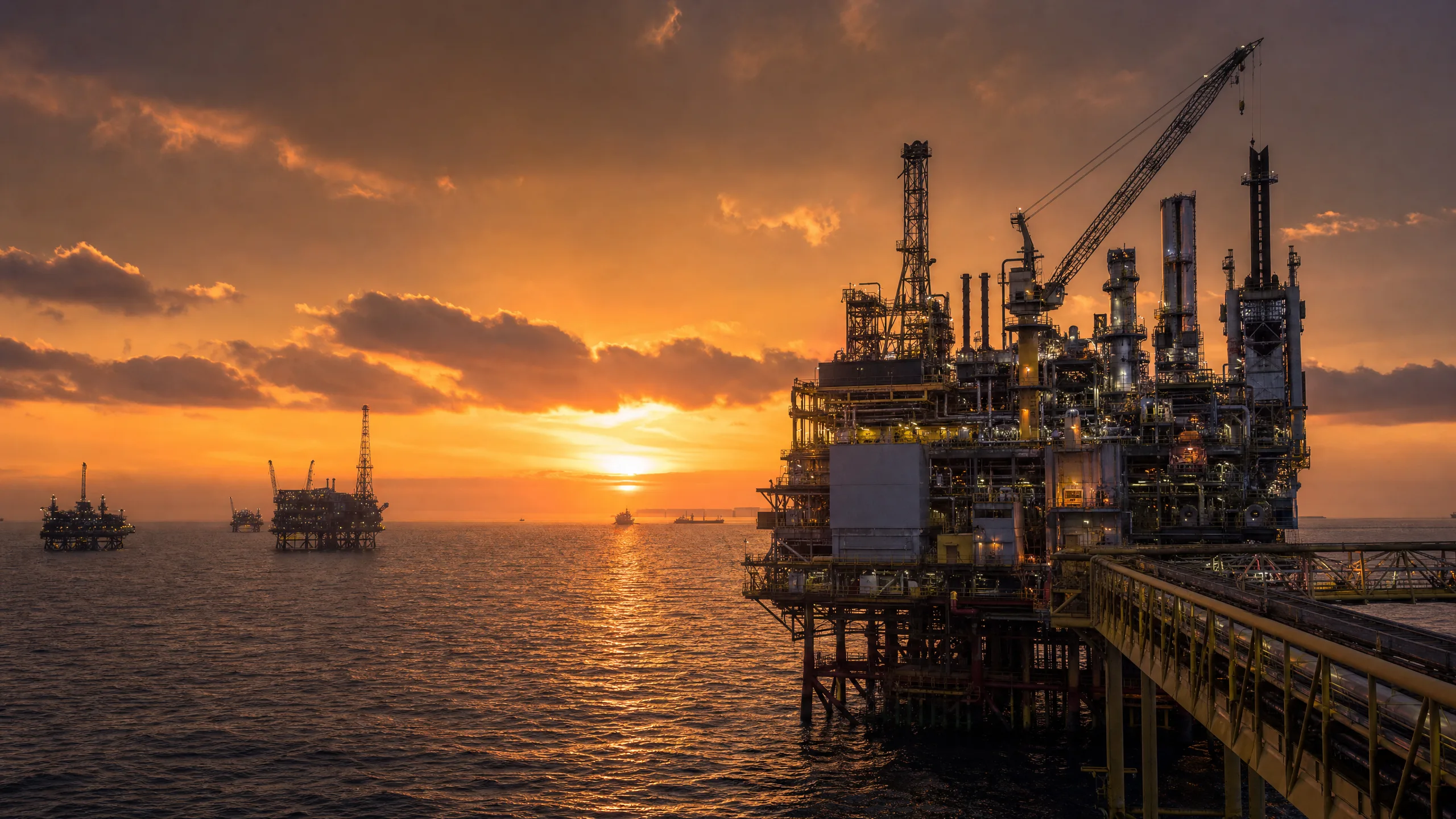
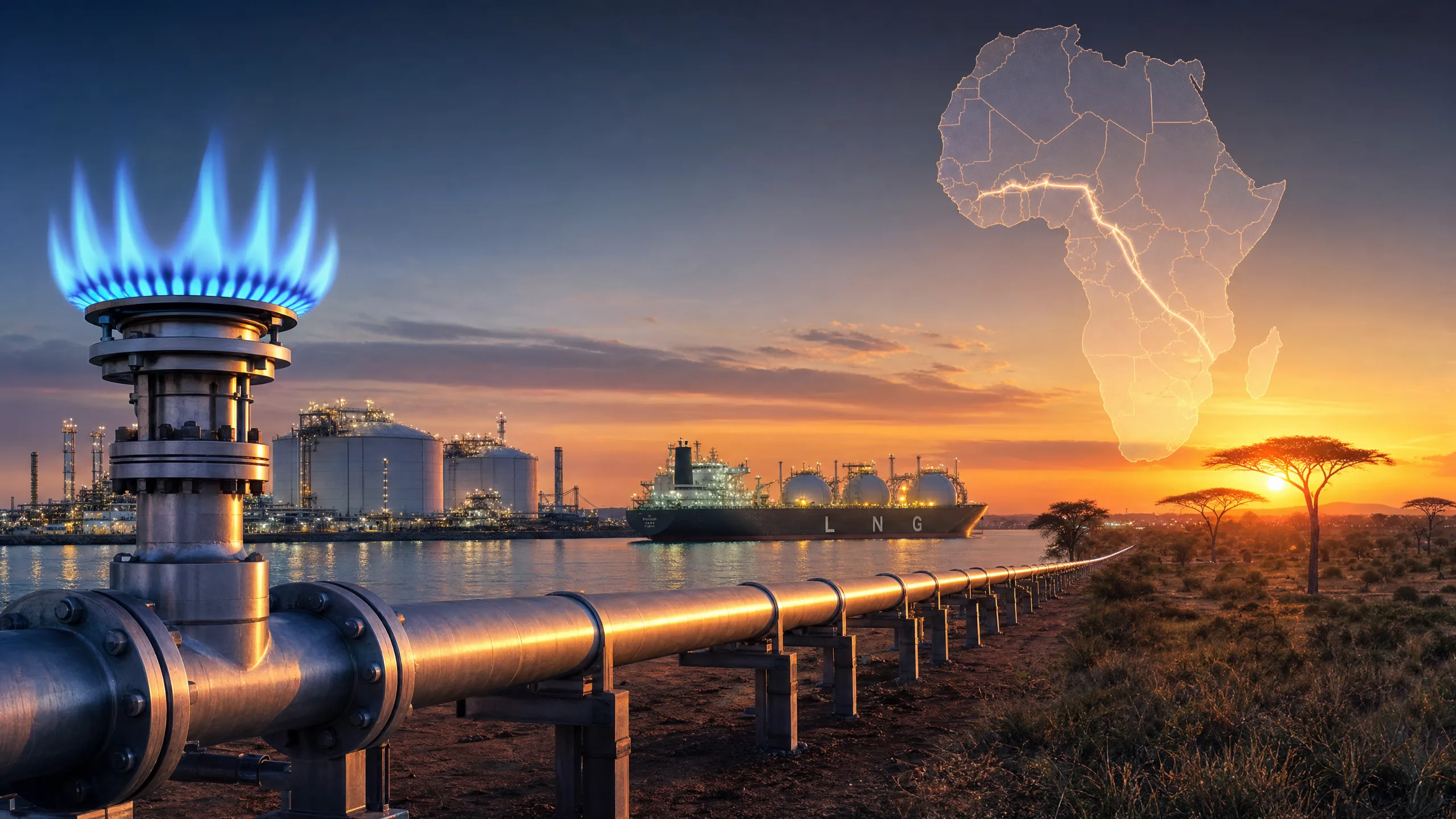
Africa's natural gas reserves, estimated at 620 trillion cubic feet, present a transformative opportunity for the continent's energy transition and economic growth.
The Scale of Africa's Natural Gas Reserves
Africa holds approximately 620 trillion cubic feet of proven natural gas reserves. Nigeria leads the continent with over 206 trillion cubic feet, positioning it as a global gas powerhouse. These vast resources offer a critical pathway for addressing energy poverty, as roughly 42 percent of Africa's population currently lacks reliable access to electricity.
Driving the Energy Transition
Natural gas plays a small but vital role in Africa's energy transition. While global efforts focus on reducing emissions, Africa accounts for just 3.7 percent of carbon emissions from burning fossil fuels. Utilizing natural gas can provide the baseload power necessary to support the integration of intermittent renewable energy sources, facilitating a just transition that balances climate goals with urgent development needs.
LNG Exports and Economic Impact
The development of liquefied natural gas (LNG) export capacity is crucial for monetizing these reserves. With significant investments in LNG infrastructure, African nations can secure export revenues while simultaneously developing domestic gas-to-power projects. This dual approach not only boosts GDP but also attracts foreign investment, particularly as global markets seek to diversify their energy supplies.
Regional Context and Future Outlook
Countries like Mozambique and Senegal are emerging as key players in the LNG market, alongside established producers like Algeria and Egypt. The strategic development of these resources, supported by initiatives like the African Energy Bank, will be essential for realizing the full potential of Africa's natural gas.
Conclusion: Digital Infrastructure and Tokenization
As Africa harnesses its 620 trillion cubic feet of natural gas, the integration of digital infrastructure and asset tokenization presents a forward-looking opportunity. Platforms like AfriVest can digitize these energy assets, offering institutional investors unprecedented access to Africa's energy transition while ensuring transparent and efficient capital allocation.