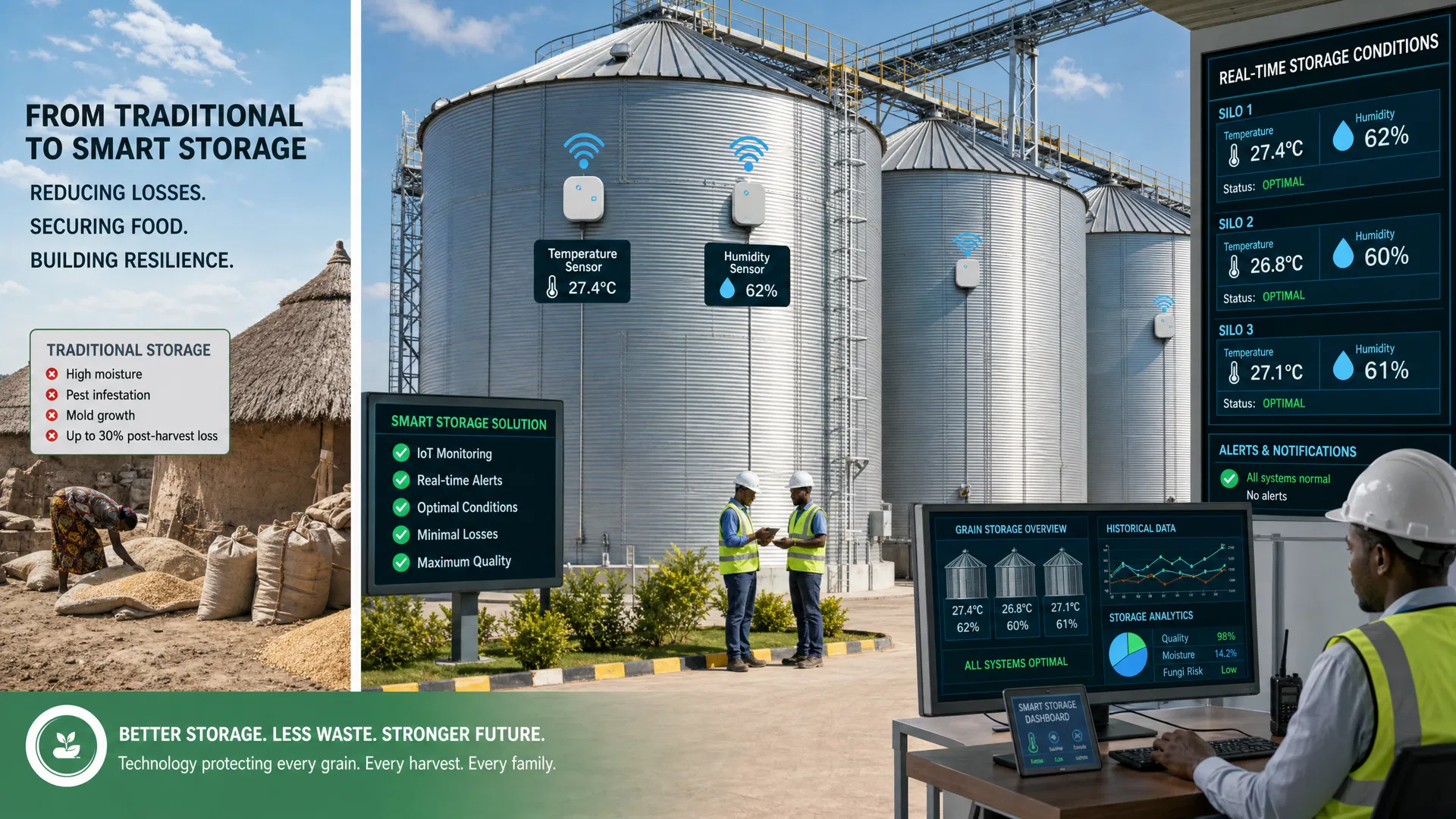
Post-harvest losses remain a critical challenge undermining food security and economic stability across Sub-Saharan Africa. According to the Food and Agriculture Organization (FAO), post-harvest losses in the region can range between 20% to 40% for staple grains such as maize, millet, and sorghum. This wastage not only threatens the livelihoods of millions of smallholder farmers but also exacerbates food scarcity and inflates commodity prices. Countries like Kenya, Nigeria, and Rwanda have been particularly impacted, with losses driven by inadequate storage infrastructure, pests, moisture, and inefficient supply chains. Addressing these challenges requires a multifaceted approach that leverages emerging digital infrastructure, particularly Internet of Things (IoT) technology, blockchain, and asset tokenization, to revolutionize grain storage and post-harvest management.
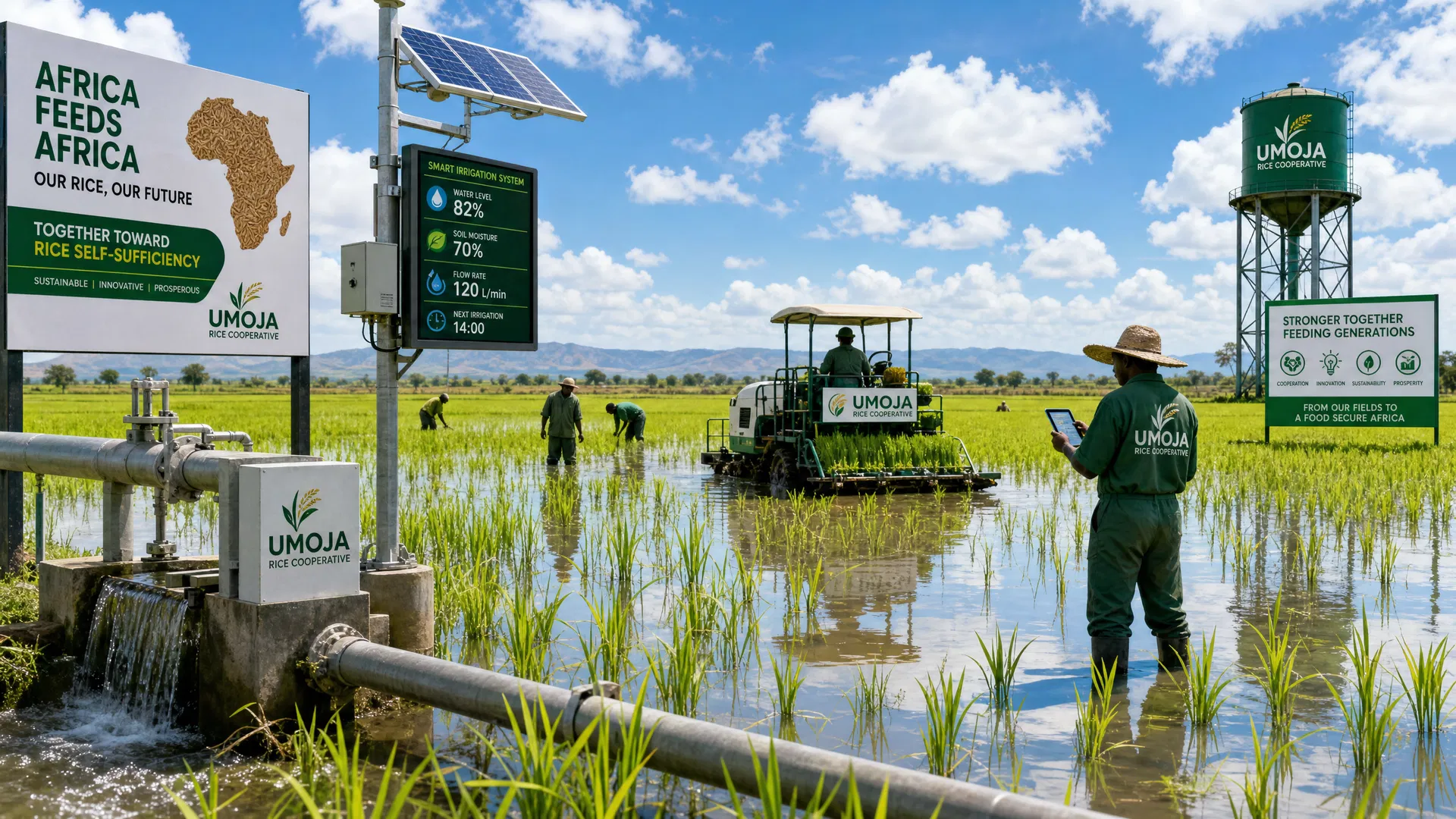
IoT solutions offer unprecedented opportunities to enhance grain storage conditions by providing real-time monitoring and predictive analytics. Sensors placed within storage facilities can track temperature, humidity, gas concentrations, and insect activity, enabling stakeholders to intervene before spoilage occurs. For example, in Kenya, pilot projects integrating IoT devices into community grain silos have demonstrated reductions in post-harvest losses by up to 30%, according to data from the Kenya Agricultural and Livestock Research Organization (KALRO). Similarly, Nigerian cooperatives employing IoT-enabled storage systems have reported improved grain quality and extended shelf life, contributing to higher market value and reduced food insecurity. These successes underscore the transformative potential of digital infrastructure in mitigating losses that have traditionally been difficult to quantify or manage effectively.
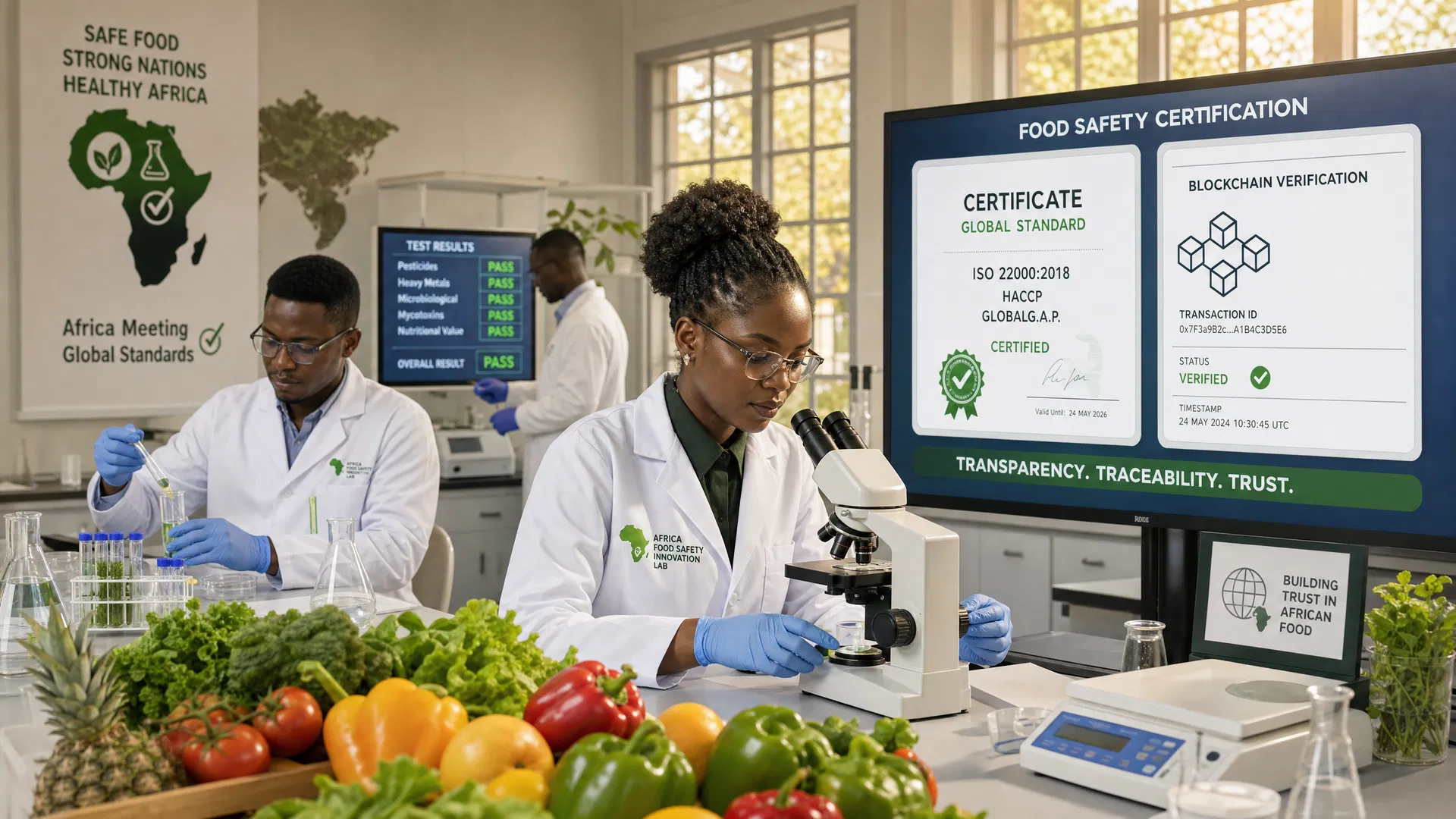
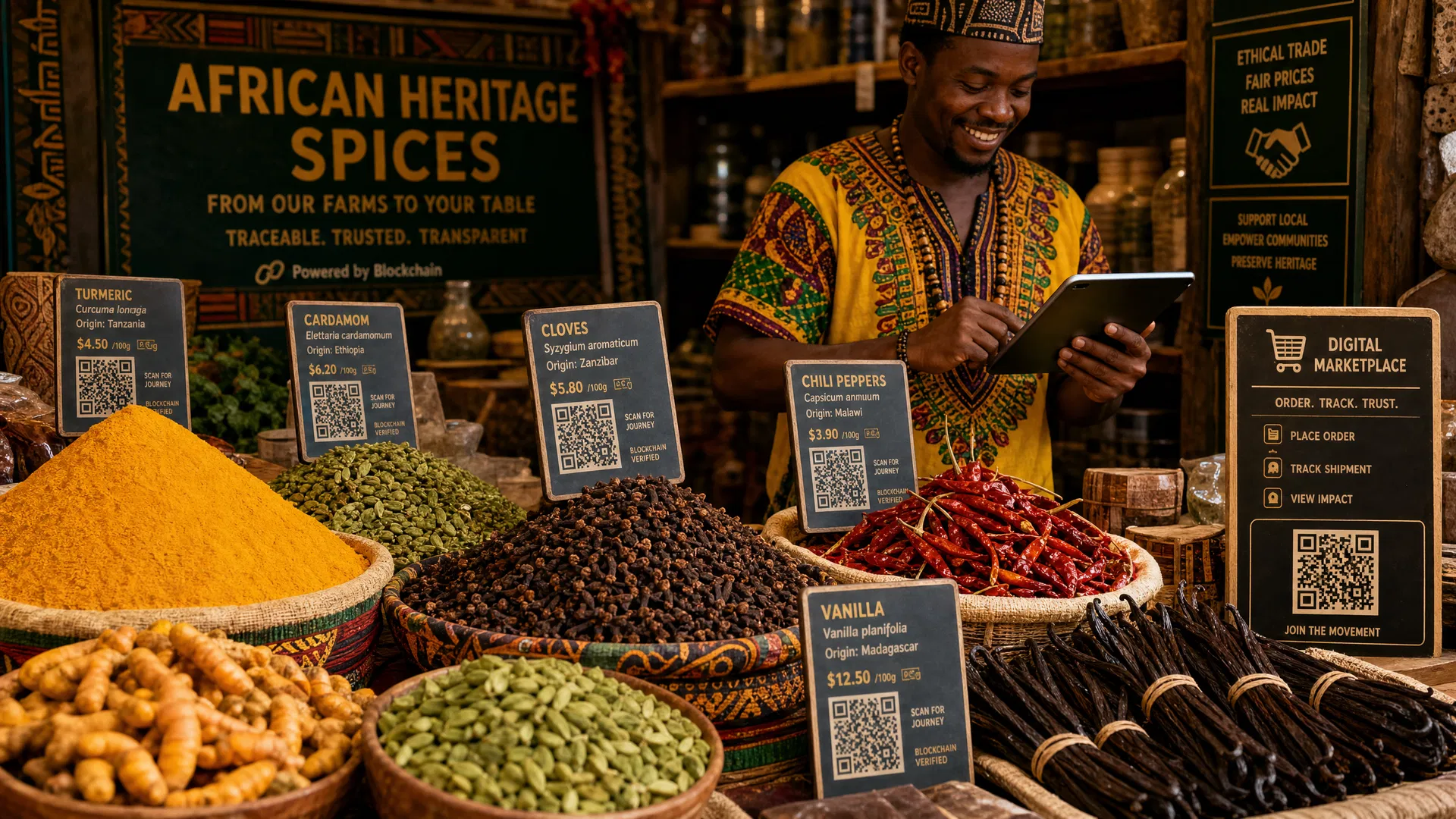
Beyond physical monitoring, the integration of blockchain technology into grain storage ecosystems offers significant benefits in traceability, transparency, and trust. By recording storage conditions, ownership, and transaction histories on immutable ledgers, blockchain can create verifiable records that reduce disputes and enhance accountability within supply chains. In Rwanda, initiatives supported by the Smart Africa Alliance have explored blockchain-based traceability systems linking farmers, storage operators, and buyers, thereby improving market access and price discovery. Additionally, blockchain facilitates the creation of digital identities for grain batches, which is crucial for certifying quality and origin—factors increasingly demanded by regional and international markets. This transparency not only empowers farmers but also encourages investment by reducing information asymmetry and risk.
AfriVest’s platform sits at the intersection of these innovations, enabling the tokenization of stored grain as a digital asset. By representing physical grain in the form of tokens on a blockchain, farmers and cooperatives can unlock liquidity without immediate sales, using their stored grain as collateral for credit or trade. This financial inclusion mechanism is particularly impactful in countries like Nigeria and Kenya, where access to affordable credit remains a barrier for many agricultural stakeholders. Tokenization also facilitates fractional ownership and cooperative governance models, allowing multiple participants to collectively manage and benefit from grain reserves. Through smart contracts embedded in AfriVest’s infrastructure, conditions such as quality thresholds or release timings can be automated, reducing administrative overhead and ensuring compliance with agreed terms.
The convergence of IoT, blockchain, and tokenization thus forms a robust digital infrastructure that addresses multiple facets of post-harvest loss prevention. Sensors ensure optimal storage environments; blockchain guarantees transparent and tamper-proof records; tokenization provides financial instruments that enhance liquidity and incentivize better storage practices. This integrated approach aligns perfectly with AfriVest’s vision of digitizing Africa’s economy by empowering agricultural value chains with cutting-edge technology. Notably, in regions like the Lake Victoria Basin and the Sahel, where agriculture sustains large rural populations, these innovations could dramatically improve resilience against climate variability and market shocks.
Institutional partnerships are also pivotal in scaling these solutions. Collaborations between governments, agritech startups, and financial institutions in countries such as Rwanda, Ghana, and Senegal are increasingly focusing on digital agricultural platforms. AfriVest actively engages with these stakeholders to build interoperable systems that can be adopted across borders, facilitating regional trade and harmonizing standards. Furthermore, by embedding cooperative governance frameworks into its platform, AfriVest ensures that smallholder farmers retain agency and equitable participation in the value generated, fostering sustainable growth and social inclusion.
Looking forward, the potential for IoT-enabled post-harvest loss prevention integrated with blockchain and tokenization extends beyond grain storage into broader agribusiness ecosystems. AfriVest envisions a future where every asset in the agricultural supply chain—from input inventories to harvested produce—can be digitized, tracked, and financed transparently. This transformation will unlock new investment channels, reduce systemic inefficiencies, and elevate Africa’s position in the global food economy. As a thought leader and digital infrastructure enabler, AfriVest is committed to advancing these innovations by supporting pilot programs, facilitating knowledge exchange, and advocating for policy environments conducive to digital agriculture. By harnessing technology to safeguard Africa’s harvests, we are not only preserving food but also empowering communities and driving inclusive economic development across the continent.