The Role of Tokenization in Transforming Agricultural Finance
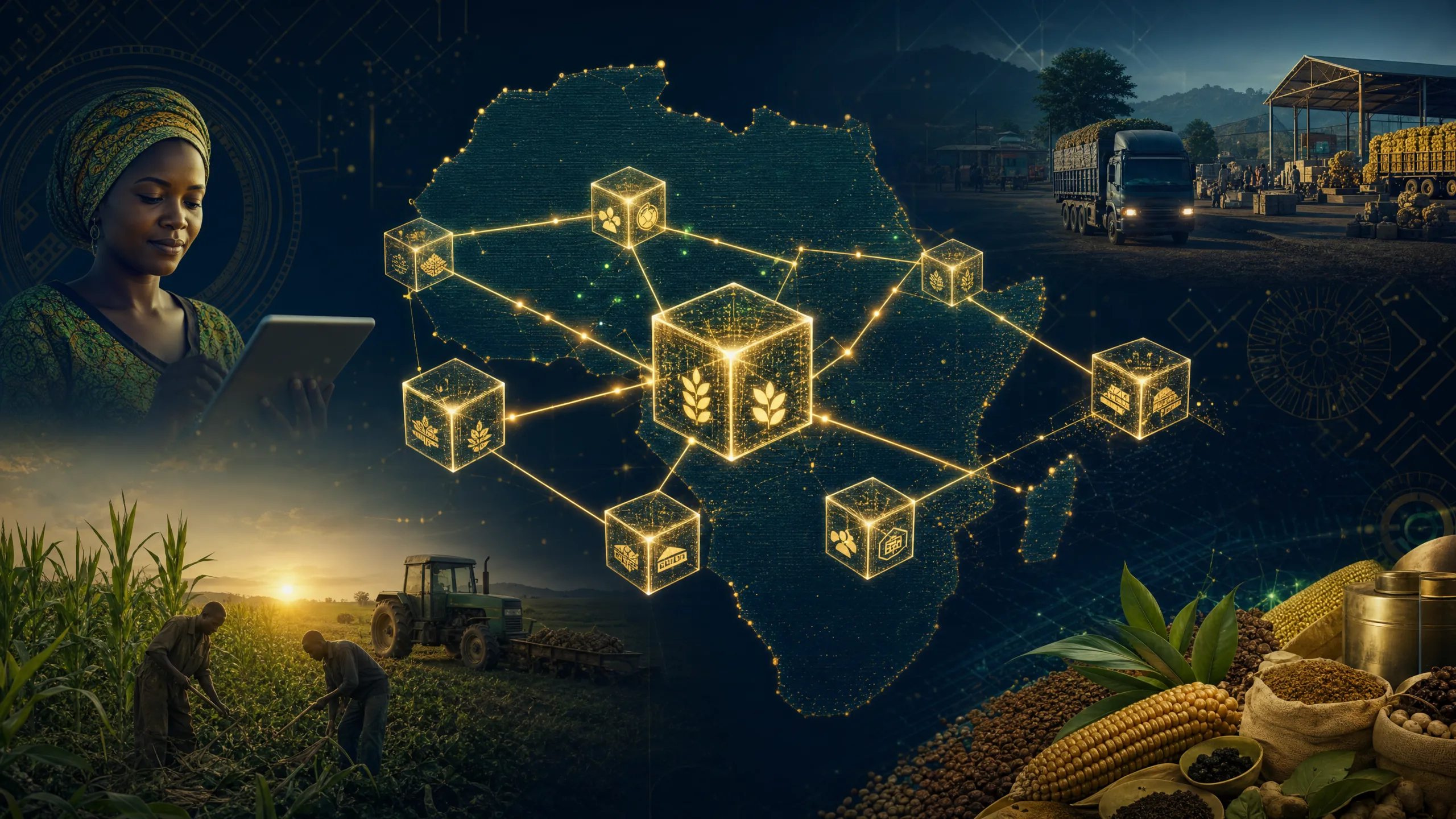
Tokenization agriculture is emerging as a transformative mechanism that leverages blockchain technology to convert physical agricultural assets into digital tokens. These tokens represent ownership shares or investment stakes in assets such as farmland, crop yields, or livestock. By enabling fractional ownership and seamless transferability, tokenization democratizes access to agricultural investments, which traditionally have been limited by high capital requirements and logistical challenges. In Southern Africa, where agriculture remains a cornerstone of the economy and food security, tokenization presents an innovative pathway to mobilize capital and enhance asset liquidity.
Blockchain assets, secured through decentralized ledgers, ensure transparency, traceability, and immutability of ownership records. This reduces fraud and increases investor confidence, which is critical in a region where agricultural financing has often been hampered by opaque land tenure systems and inefficient record-keeping. For example, pilot projects in countries like South Africa and Zambia have demonstrated that tokenized agricultural assets can attract both local and international investors, broadening the funding base and reducing reliance on traditional banks. Such projects also facilitate better risk management by enabling diversified portfolios through tokenized assets across different crops or farms.
Addressing Food Security Challenges in Southern Africa
Southern Africa faces significant food security challenges, exacerbated by climate change, population growth, and infrastructural deficits. According to the Food and Agriculture Organization (FAO), over 45 million people in the region are undernourished, highlighting the urgent need to strengthen agricultural productivity and resilience. Tokenization agriculture offers a strategic tool to address these issues by unlocking capital for modernizing farms, enhancing supply chain efficiency, and promoting sustainable practices.
By channeling investments into agricultural technologies such as precision farming, drought-resistant crops, and cold chain logistics, tokenized assets can improve yield stability and reduce post-harvest losses. The digitization of agricultural assets also facilitates better market access for smallholder farmers, who constitute more than 60% of the agricultural workforce in Southern Africa. Tokenization platforms can integrate with mobile money and digital marketplaces, enabling farmers to monetize future harvests or lease assets through tokens, thereby improving income stability and food availability.
Blockchain as a Catalyst for Agricultural Investment
Blockchain assets underpin the secure and transparent environment necessary for scaling agricultural investments in Southern Africa. The use of smart contracts automates transactions and enforces compliance with investment terms without intermediaries, reducing costs and delays. This technological innovation is particularly relevant in cross-border investments, where regulatory complexities and trust deficits often hinder capital flows.
For instance, agricultural investment funds leveraging blockchain have emerged in countries like Botswana and Zimbabwe, allowing investors to purchase tokens that correspond to specific farming projects. These projects include initiatives to expand irrigation infrastructure and introduce agro-processing facilities that add value to raw commodities. The resulting increase in agricultural productivity contributes directly to regional food security while generating attractive returns for investors. Moreover, blockchain’s data analytics capabilities enable real-time monitoring of agricultural asset performance, facilitating informed decision-making and adaptive management.
Enhancing Digital Agriculture Through Tokenization
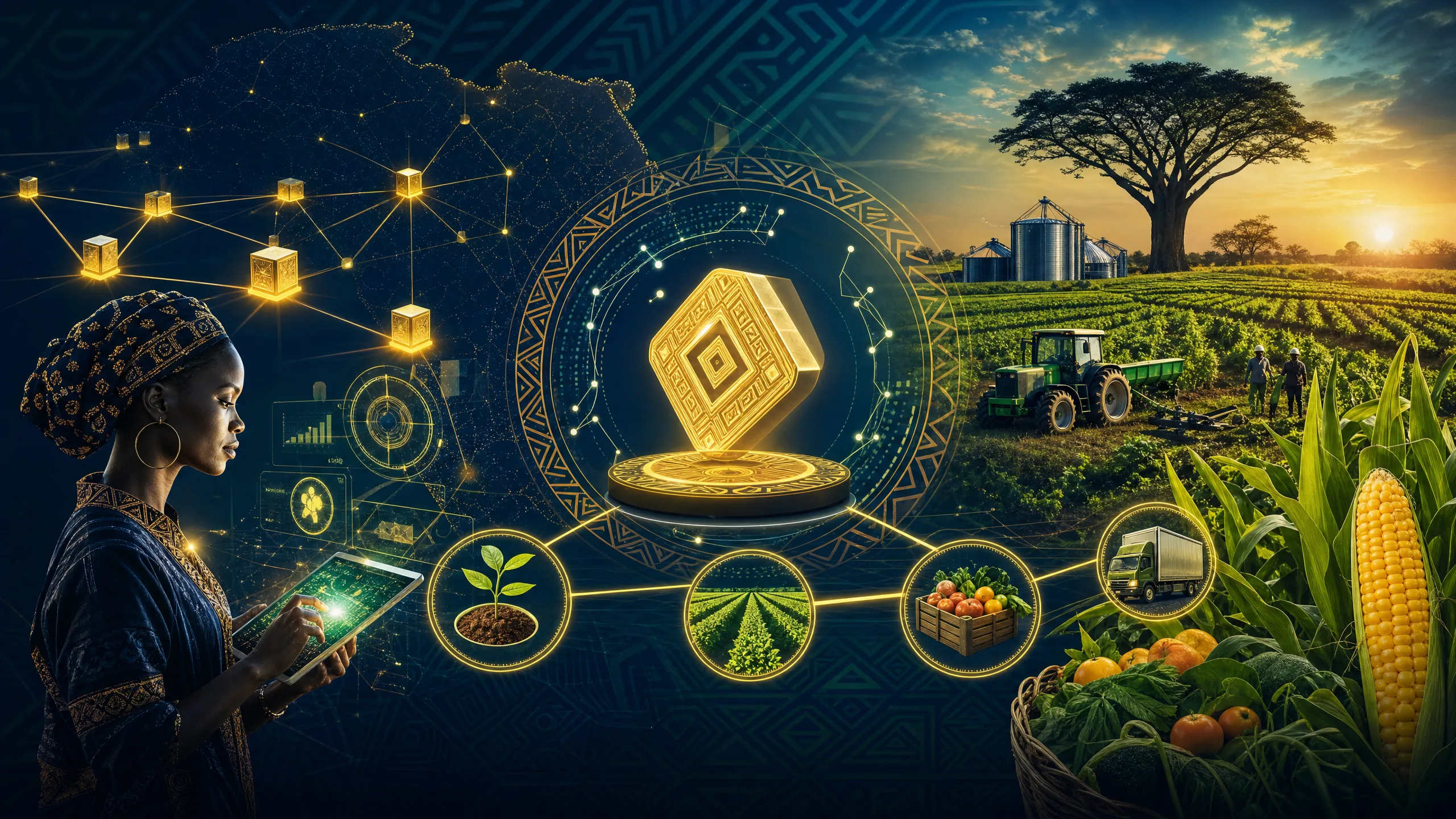
Digital agriculture in Southern Africa is rapidly evolving, driven by innovations such as satellite imagery, IoT sensors, and data-driven advisory services. Tokenization agriculture complements these advancements by providing a financial infrastructure that supports the adoption and scaling of digital tools. By linking tokens to measurable agricultural outputs, investors gain visibility into the performance of their assets, incentivizing efficiency and sustainability.
The integration of tokenization with digital agriculture also promotes financial inclusion. Smallholder farmers, often excluded from formal credit markets due to lack of collateral, can tokenize their assets and access funding through decentralized finance (DeFi) platforms. This not only diversifies their income sources but also fosters community-based investment models that enhance resilience. Furthermore, tokenization facilitates the creation of secondary markets where agricultural tokens can be traded, increasing liquidity and attracting a broader range of investors, including institutional players focused on impact investments.
Regulatory Frameworks and Policy Implications in Southern Africa
The expansion of tokenization agriculture and blockchain-based agricultural investments in Southern Africa requires supportive and adaptive regulatory frameworks. Governments and policymakers must balance the need for investor protection with fostering innovation. Currently, regulatory environments across the region vary significantly, with countries like South Africa and Mauritius developing comprehensive digital asset guidelines, while others are still in preliminary stages.
Effective regulation should address issues such as property rights, digital identity verification, anti-money laundering (AML), and taxation of tokenized assets. Clear legal recognition of blockchain records and smart contracts is essential to build trust and encourage participation from both domestic and international investors. Policymakers should also promote public-private partnerships to develop interoperable platforms and standards that facilitate tokenization agriculture. This will ensure that the benefits of digital agriculture and blockchain assets contribute sustainably to Southern Africa’s food security objectives.
Future Outlook: Building Digital Infrastructure for Agricultural Resilience
Looking ahead, the tokenization of agricultural assets represents a pivotal opportunity to accelerate Southern Africa’s digital economy transformation and strengthen food security. Investments in digital infrastructure—such as broadband connectivity, blockchain platforms, and secure digital identity systems—will be critical enablers for scaling tokenization agriculture. Governments and development partners should prioritize these areas to create a conducive environment for innovation and investment.
By integrating tokenization with broader digital agriculture initiatives, Southern Africa can unlock new sources of capital, enhance agricultural productivity, and foster inclusive economic growth. The evolution of regulatory frameworks that support blockchain assets will also position the region as a leader in the emerging market for digital agricultural finance. Ultimately, leveraging tokenization agriculture is not only a financial innovation but a strategic imperative to build resilient food systems capable of meeting the challenges of the 21st century. Institutional investors and policymakers alike stand to benefit from embracing this paradigm shift toward a more transparent, efficient, and inclusive agricultural sector.