The Imperative for Food Security and Traceability in East Africa
East Africa stands at a critical juncture where rapid population growth, climate change, and evolving global trade dynamics place immense pressure on its agricultural sector. Agriculture remains the backbone of the regional economy, employing over 65 percent of the workforce in nations like Kenya and Uganda. However, ensuring East Africa food security requires a fundamental overhaul of how agricultural products are tracked and distributed. Post-harvest losses and opaque intermediary networks consistently undermine both farmer livelihoods and consumer safety. Consequently, institutional investors and policymakers recognize that modernizing the agricultural supply chain is a strategic economic necessity.
The integration of advanced digital technologies into traditional farming practices offers a robust solution to these systemic challenges. Specifically, the demand for supply chain transparency has never been higher, driven by international export requirements and a growing domestic middle class prioritizing food safety. Without reliable mechanisms to trace the origin of food products, East African exporters face significant barriers in lucrative European markets. This environment creates a compelling use case for decentralized technologies providing immutable records of agricultural transactions. By addressing the trust deficit in fragmented supply chains, digital innovations are poised to redefine the agricultural landscape.
Blockchain in Agriculture: Transforming Supply Chain Transparency
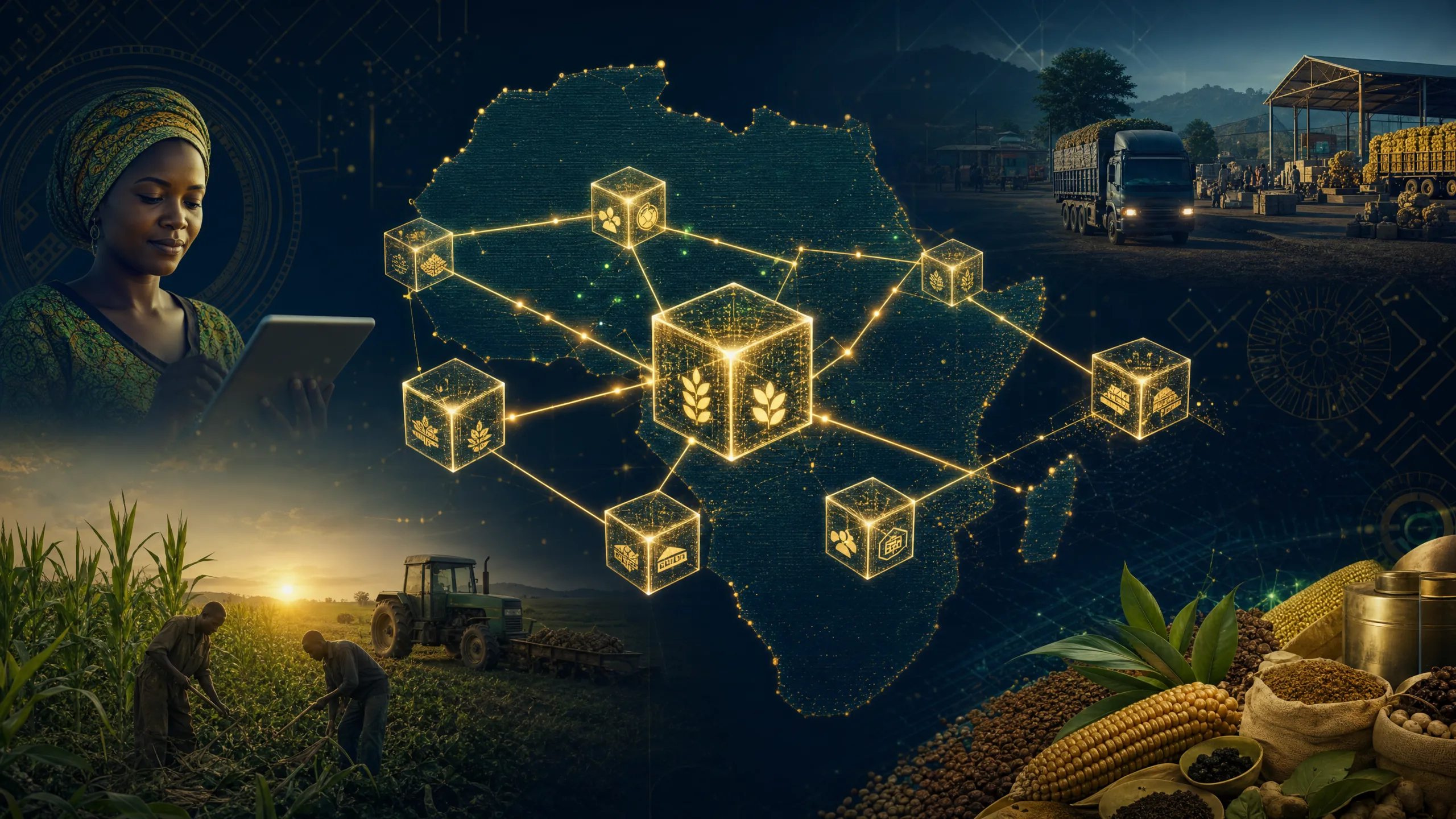
The application of blockchain in agriculture represents a paradigm shift in how data is managed across the food value chain. At its core, blockchain technology provides a decentralized, immutable ledger that records every movement of goods from the farm to the final consumer. In East Africa, this means a bag of coffee beans can be assigned a unique digital identity, allowing stakeholders to track its journey in real time. This level of blockchain food traceability eliminates reliance on paper-based records, which are highly susceptible to fraud, loss, and human error.
Furthermore, enhanced supply chain transparency directly translates into tangible economic benefits for smallholder farmers, the most vulnerable participants in the ecosystem. When the provenance of high-value crops can be cryptographically verified, farmers can command premium prices in global markets demanding ethical sourcing. Additionally, the reduction of information asymmetry empowers farmers to negotiate better terms, bypassing exploitative middlemen. For institutional investors, deploying blockchain food traceability systems mitigates operational risks and provides granular visibility into supply chain dynamics, enabling informed capital allocation.
Digital Agriculture and the Tokenization of Commodities
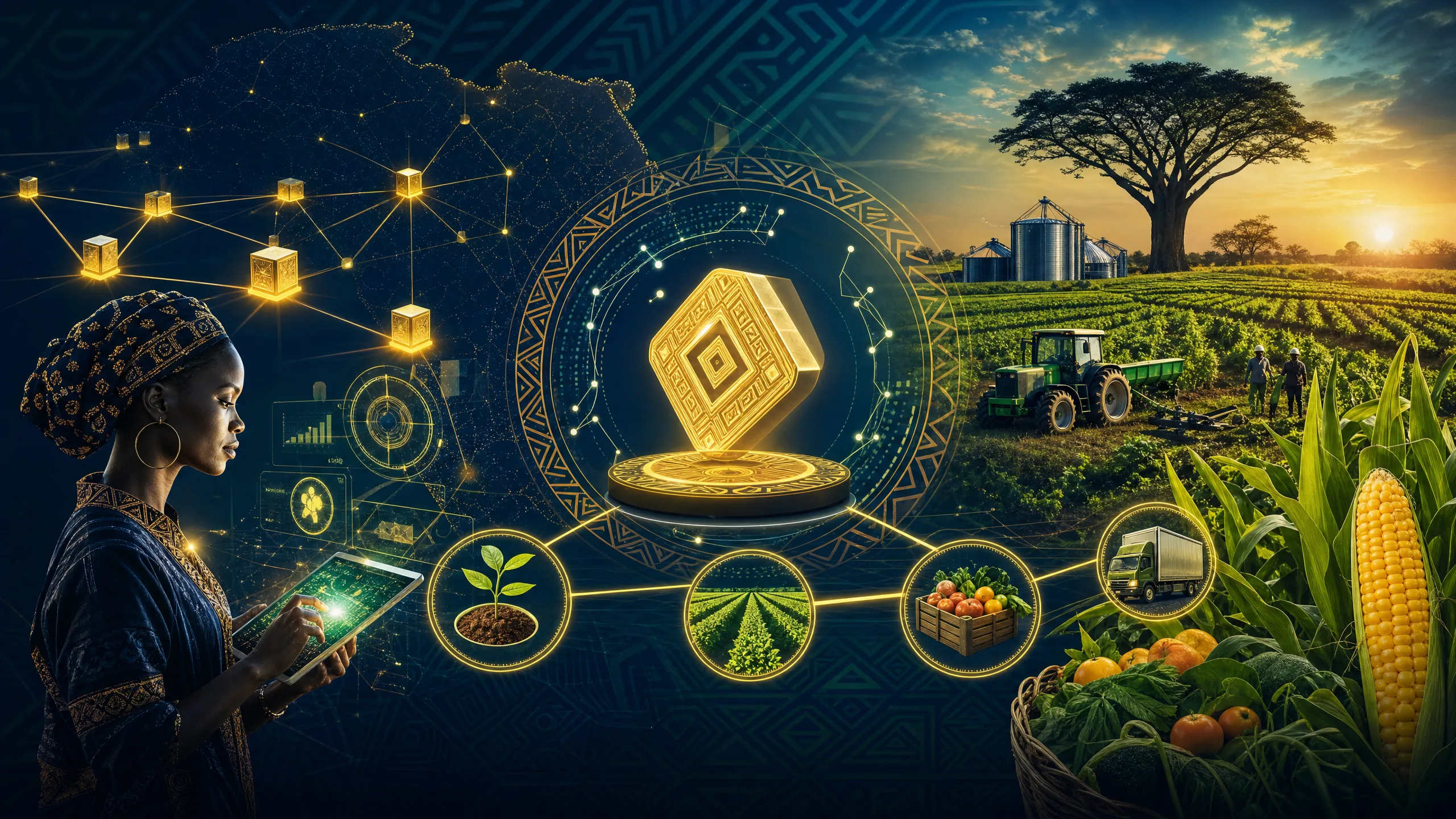
As the region accelerates its transition toward a digital economy, the intersection of digital agriculture and blockchain technology is unlocking innovative financial models. Tokenization involves representing physical agricultural assets as digital tokens on a blockchain, fractionalizing ownership and facilitating seamless peer-to-peer trading. This mechanism has the potential to revolutionize agricultural financing where smallholder farmers historically lack access to formal credit markets. By tokenizing warehouse receipts, farmers can use their digital assets as collateral to secure microloans, purchase high-quality inputs, and invest in climate-resilient farming techniques.
This digital transformation extends beyond traceability; it integrates smart contracts that automatically execute payments when predefined conditions are met. For instance, a smart contract could instantly disburse funds to a farmer's mobile money wallet upon the verified delivery of produce to a certified warehouse. This frictionless financial ecosystem accelerates cash flow for rural communities and significantly reduces transaction costs. Policymakers increasingly view these blockchain-enabled financial instruments as critical catalysts for financial inclusion. Consequently, the convergence of digital agriculture and tokenization creates fertile ground for venture capital and institutional investment.
Overcoming Infrastructure and Regulatory Hurdles
Despite the immense potential of blockchain in agriculture, widespread adoption in East Africa is contingent upon overcoming significant infrastructural and regulatory barriers. The efficacy of blockchain food traceability systems relies heavily on robust digital infrastructure, including reliable internet connectivity and widespread smartphone penetration. While urban centers in Kenya and Rwanda boast impressive digital connectivity, rural farming communities often remain marginalized by the digital divide. Bridging this gap requires substantial public-private partnerships and targeted investments in rural broadband networks, off-grid renewable energy solutions, and digital literacy programs.
Equally important is the development of cohesive regulatory frameworks that accommodate the unique characteristics of decentralized technologies. Currently, the regulatory landscape for digital assets in East Africa is fragmented, with varying degrees of acceptance among central banks. To foster a conducive environment for innovation, policymakers must establish clear guidelines regarding data privacy, digital identity, and the legal enforceability of smart contracts. Regulatory sandboxes, such as those pioneered in Kenya, offer a pragmatic approach to testing applications. By harmonizing regulations, governments can attract foreign direct investment and position the region as a global leader.
Conclusion: Investing in East Africa's Digital Infrastructure
The integration of blockchain technology into the agricultural sector represents a monumental leap forward in the quest for regional economic resilience. By establishing immutable systems for blockchain food traceability, the region can effectively address the systemic inefficiencies plaguing its supply chains. The resulting supply chain transparency not only empowers smallholder farmers but also unlocks new avenues for financial inclusion through the tokenization of agricultural assets. As digital agriculture continues to evolve, it will play an indispensable role in transforming East Africa into a globally competitive and sustainable agricultural powerhouse.
Looking ahead, the realization of this digital transformation presents unprecedented opportunities for institutional investors, technology providers, and forward-thinking policymakers. Capitalizing on these opportunities requires a concerted effort to build robust digital infrastructure, harmonize regulatory frameworks, and foster an ecosystem of innovation prioritizing rural development. Investments in rural connectivity, mobile money integration, and blockchain education will be the critical enablers of this agricultural revolution. Ultimately, by championing the adoption of blockchain in agriculture, stakeholders can drive sustainable economic growth, ensure long-term East Africa food security, and position the continent at the forefront of the global digital economy.