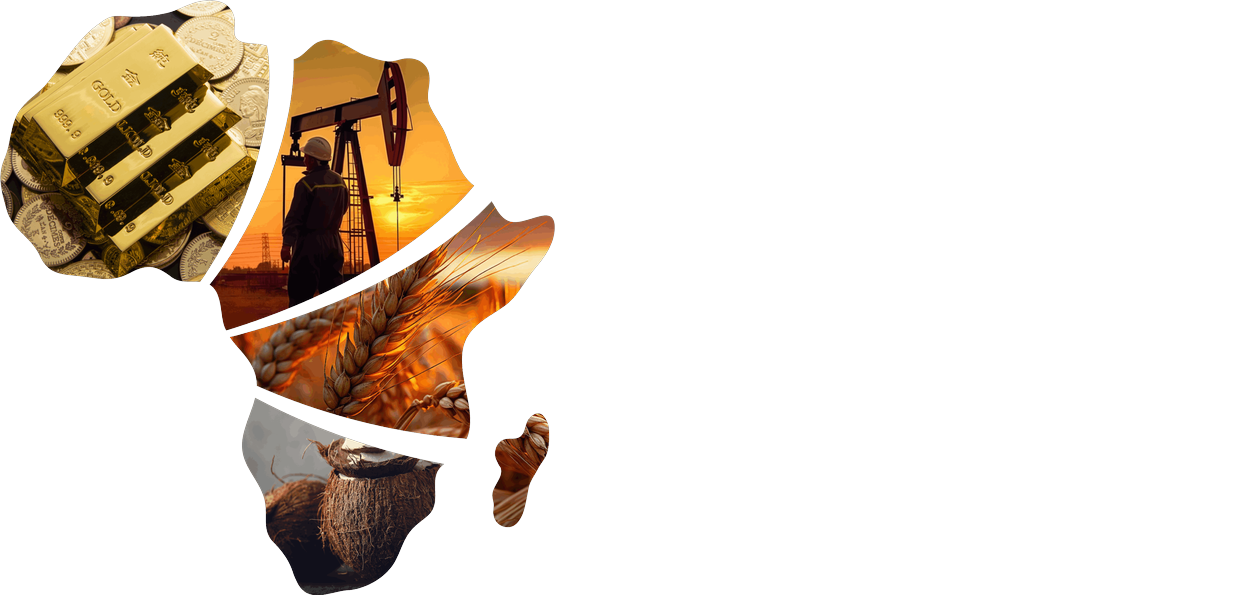

Introduction to Mining Asset Tokenization in Africa
The tokenization of mining assets in Africa is rapidly emerging as a transformative approach to democratizing access to the continent's vast resource wealth. Mining, a cornerstone of many African economies, has traditionally been dominated by large corporations and institutional investors with significant capital. However, advances in blockchain technology and digital finance frameworks are enabling the fractional ownership of mining rights and assets, thereby expanding participation beyond conventional stakeholders. This shift not only promises to unlock liquidity in an otherwise illiquid sector but also aligns with broader efforts to integrate Africa’s natural resources into the digital economy.
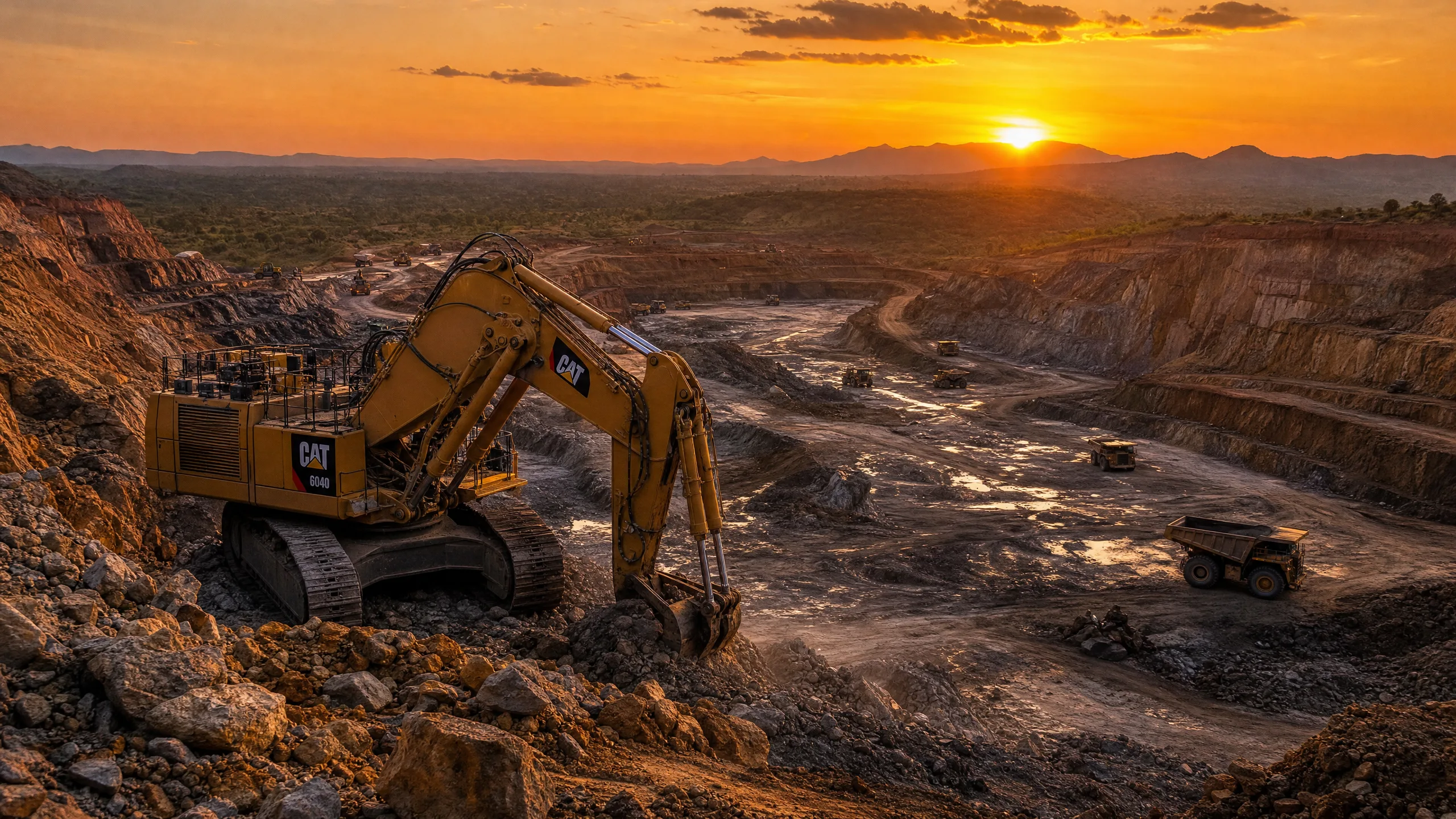
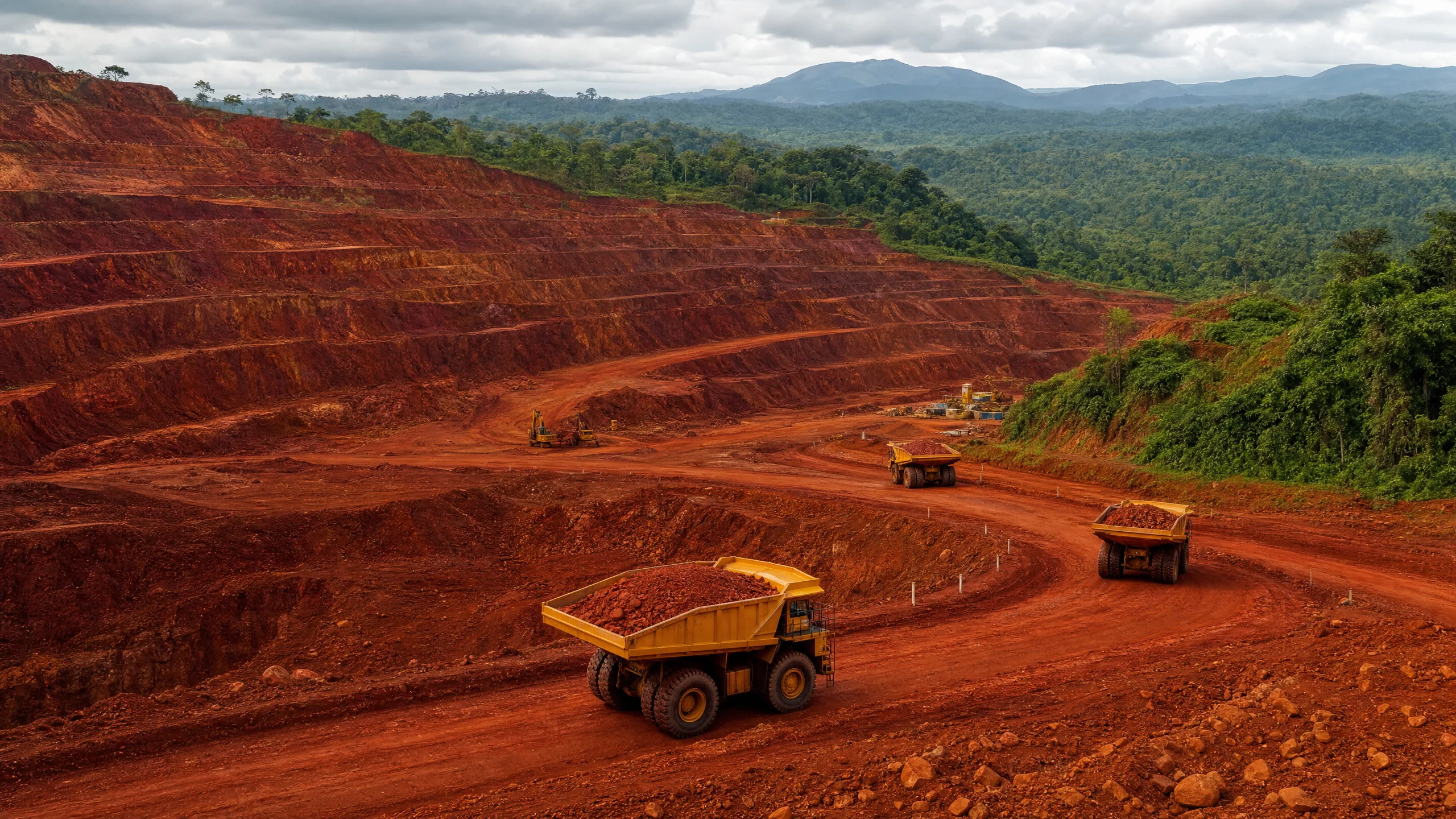
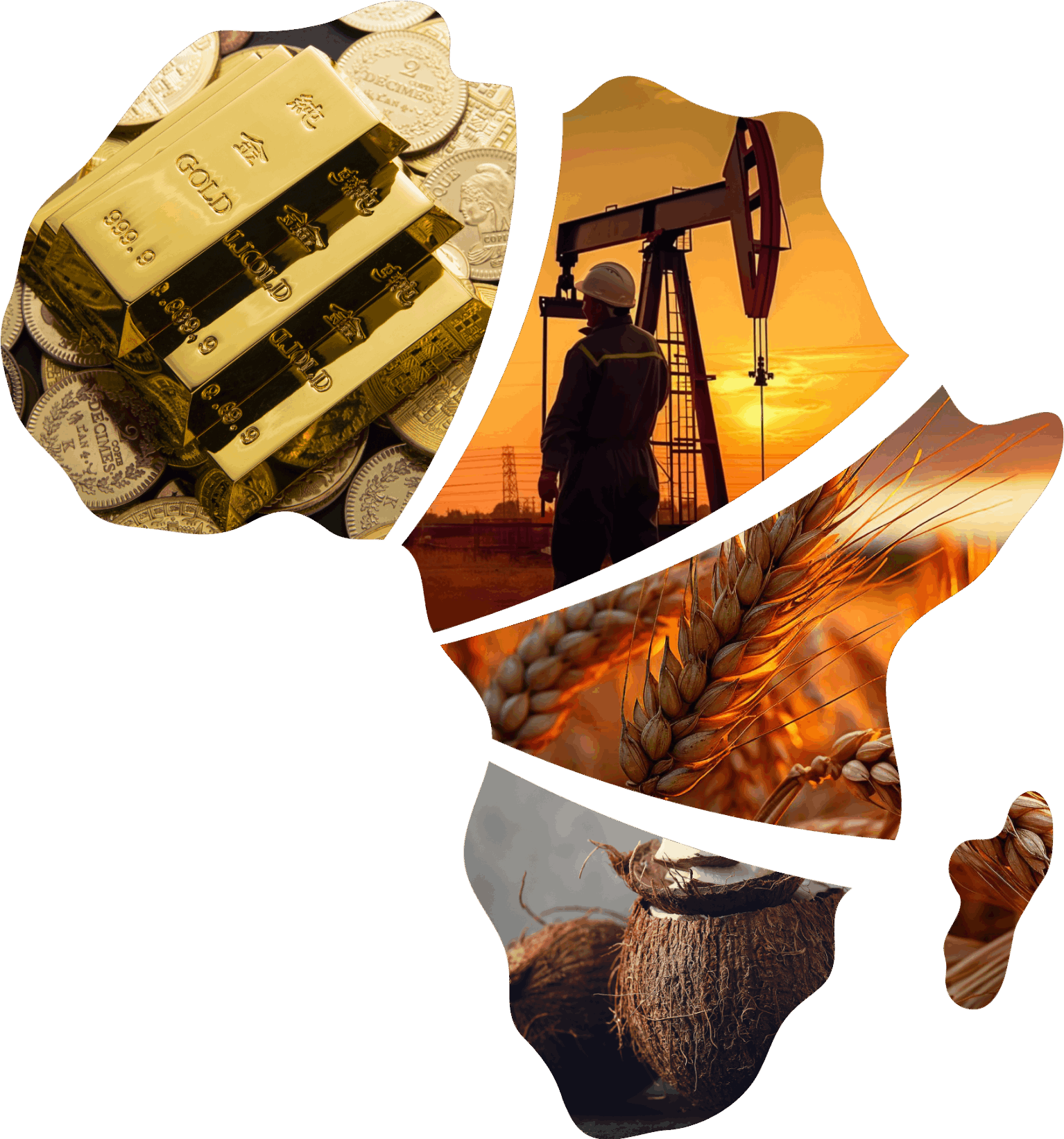
Africa possesses approximately 30% of the world’s mineral reserves, including critical resources such as cobalt, lithium, gold, and diamonds. Yet, much of this wealth remains underutilized or inaccessible to local investors and communities. Through mining asset tokenization, fractional ownership can be distributed via secure blockchain platforms, allowing smaller investors to hold verifiable stakes in mining ventures. This democratization aligns with policy goals to promote inclusive economic growth, improve transparency, and attract diversified capital inflows into African mining industries.
The Mechanics of Mining Asset Tokenization
Mining asset tokenization involves converting ownership rights or revenue streams from mining projects into digital tokens on a blockchain. Each token represents a fraction of the underlying asset, providing holders with proportional claims on revenues or profits generated by the mining operation. These tokens can be traded on digital finance platforms, enabling liquidity and flexibility that traditional equity or debt instruments lack. Importantly, blockchain mining ensures transparent, tamper-proof records of ownership and transactions, significantly reducing risks related to fraud or opacity.
Blockchain-based tokenization platforms leverage smart contracts to automate dividends, royalty payments, and compliance requirements, thereby lowering operational costs and improving efficiency. In the African context, where regulatory frameworks are evolving but still nascent in many jurisdictions, tokenization can introduce much-needed clarity and standardization. For example, South Africa’s progressive approach to blockchain regulation has already catalyzed pilot projects in mining tokenization, signaling potential for scalable models across the continent.
Benefits of Fractional Ownership for African Resource Wealth
One of the most compelling advantages of fractional ownership enabled by mining asset tokenization is the inclusion of retail investors and local communities in wealth creation. Historically, mining investments have been inaccessible to small-scale investors due to high capital requirements and complex legal structures. Tokenization lowers these barriers, enabling investors to buy smaller stakes and participate in the value generated by mining assets. This inclusivity can foster community buy-in, reduce social conflicts, and enhance sustainable development outcomes.
Furthermore, fractional ownership diversifies investment portfolios by introducing mineral-based assets into digital finance Africa ecosystems. This diversification is critical given the volatility of traditional asset classes and the growing appetite for alternative investments among African institutional investors and diaspora communities. According to a 2023 report by the African Digital Finance Forum, platforms facilitating tokenized asset trading grew by over 45% year-on-year, underscoring rising demand for innovative investment products linked to real assets like mining.
Challenges and Regulatory Considerations
Despite its promise, mining asset tokenization faces several challenges in the African context, particularly regarding regulatory uncertainty and infrastructure gaps. Many African countries lack comprehensive legal frameworks governing digital assets, complicating the classification, registration, and taxation of tokenized mining assets. Policymakers must strike a balance between fostering innovation and protecting investors from potential scams or volatility inherent in emerging technologies.
Additionally, interoperability between blockchain platforms and traditional mining registries remains limited. Ensuring that tokenized assets have enforceable property rights on-chain requires collaboration between mining authorities, blockchain developers, and financial regulators. For example, Ghana and Kenya have initiated regulatory sandboxes allowing fintech companies to pilot blockchain solutions linked to natural resource management, providing valuable lessons for broader adoption.
Case Studies and Emerging Initiatives
Several pilot projects across Africa illustrate the practical application of mining asset tokenization. In Botswana, a blockchain startup partnered with local mining cooperatives to tokenize diamond mining rights, enabling fractional sales to global investors through a secure digital marketplace. This project not only increased liquidity for miners but also enhanced transparency in diamond provenance, addressing long-standing concerns about conflict minerals.
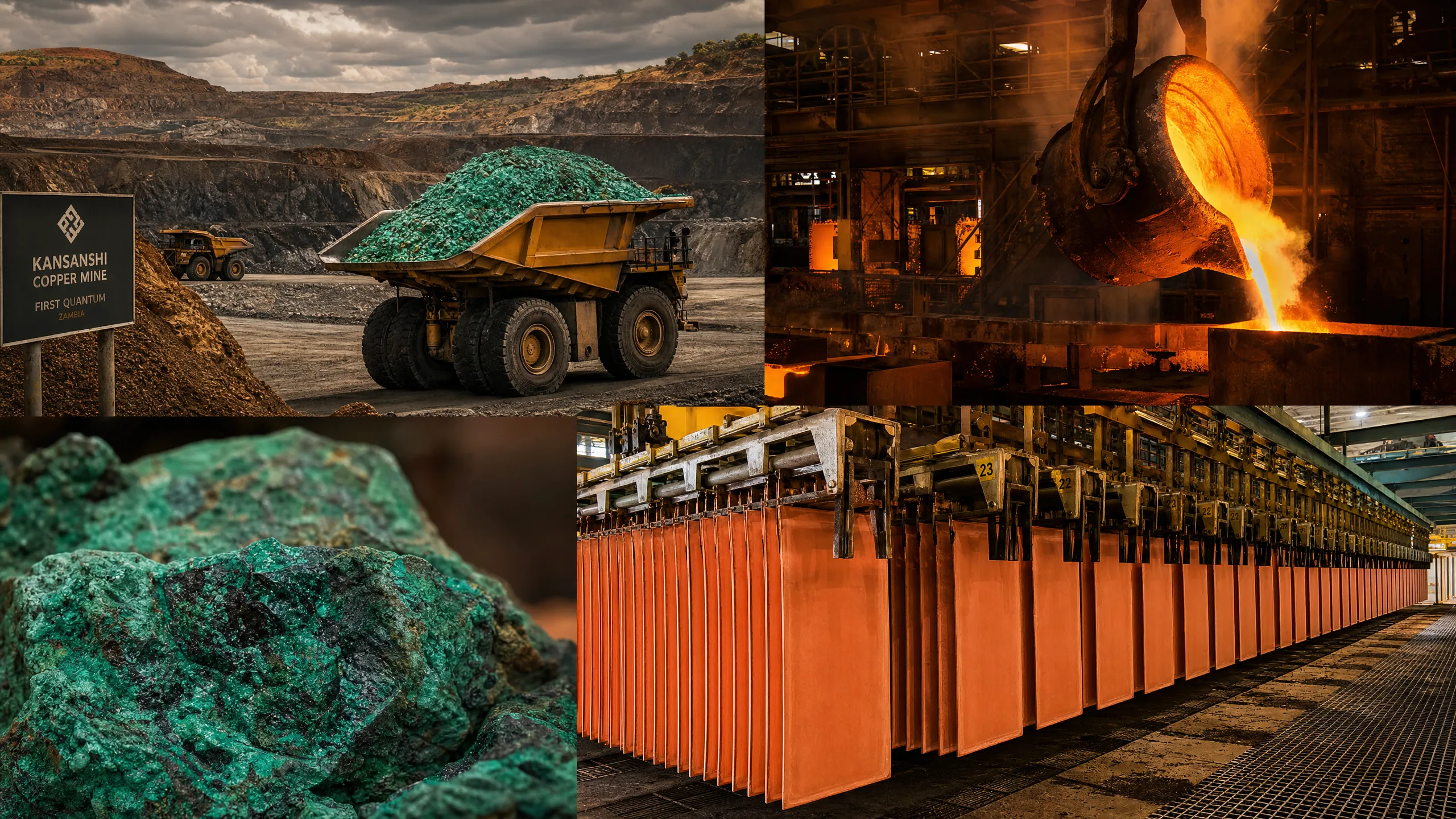
Similarly, Democratic Republic of Congo (DRC), a key producer of cobalt critical to electric vehicle batteries, has seen initiatives where tokenized mining shares are offered to local communities. This approach aligns the interests of miners, investors, and residents, encouraging sustainable practices and equitable wealth distribution. These initiatives exemplify how digital finance Africa is leveraging blockchain mining innovations to modernize traditional sectors and unlock latent economic potential.
The Future of Tokenization and Digital Infrastructure in African Mining
Looking ahead, the tokenization of mining assets represents a crucial pillar in Africa’s broader digital economy transformation. As blockchain technology matures and regulatory frameworks solidify, the continent stands to benefit from increased foreign direct investment, enhanced transparency, and more inclusive financial participation. The development of robust digital infrastructure—such as high-speed internet connectivity, interoperable blockchain networks, and secure digital identity systems—will be instrumental in scaling tokenized mining platforms.
Institutional investors and policymakers must prioritize collaboration to create enabling environments that support innovation while safeguarding investor interests. This includes harmonizing regulations across regional economic communities like the African Continental Free Trade Area (AfCFTA) to facilitate cross-border token trading. Ultimately, mining asset tokenization can be a catalyst for unlocking Africa’s resource wealth in a manner that supports sustainable development, financial inclusion, and global competitiveness in the digital era.