The Rise of Digital Finance in African Agriculture
The agricultural sector remains the backbone of Africa’s economy, accounting for nearly 23% of the continent’s GDP and employing over 60% of the labor force. Smallholder farmers, who operate on less than two hectares of land, constitute the majority of this agricultural workforce. However, their productivity and growth are often stymied by limited access to credit, insurance, and efficient markets. Digital finance agriculture Africa initiatives have emerged as transformative solutions, leveraging mobile technology, blockchain, and data analytics to bridge these gaps.
The proliferation of mobile phones across Africa—where over 495 million mobile internet users now exist—has catalyzed the growth of digital financial services tailored for agricultural stakeholders. Financial inclusion rates have improved substantially; the World Bank reports that approximately 43% of adults in Sub-Saharan Africa have access to formal financial services, a figure that continues to rise thanks to digital platforms. These platforms enable smallholder farmers to access agricultural loans, make secure payments, and participate in broader value chains, which traditionally were inaccessible to them due to infrastructural and logistical challenges.
Unlocking Access to Agricultural Loans through Digital Platforms
Access to finance remains one of the most significant barriers hindering smallholder farmers from scaling operations or adopting modern farming techniques. Conventional lending institutions often regard smallholder agriculture as high-risk, leading to limited or no credit availability. Digital finance solutions are changing this narrative by offering tailored agricultural loans through mobile money platforms and fintech partnerships, reducing reliance on physical branches and cumbersome paperwork.
For example, platforms like M-Shwari in Kenya and FarmDrive have successfully integrated mobile data and alternative credit scoring to offer microloans to farmers. FarmDrive uses machine learning models to analyze non-traditional data such as farm size, crop type, and transaction history, enabling lenders to better assess creditworthiness. As a result, FarmDrive has disbursed over $1.2 million in loans to more than 5,000 smallholder farmers since its inception. This digital approach mitigates risk and expands access to much-needed capital, thereby boosting productivity and income levels for rural farmers.
Blockchain Finance: Enhancing Transparency and Trust in Agriculture
Blockchain technology is gaining traction as a game-changer in Africa’s digital finance agriculture ecosystem. By providing immutable, transparent ledgers, blockchain enhances trust among stakeholders in agricultural value chains, from producers to consumers and financiers. This technology addresses longstanding issues of fraud, land ownership disputes, and payment delays that have traditionally hindered smallholder farmers.
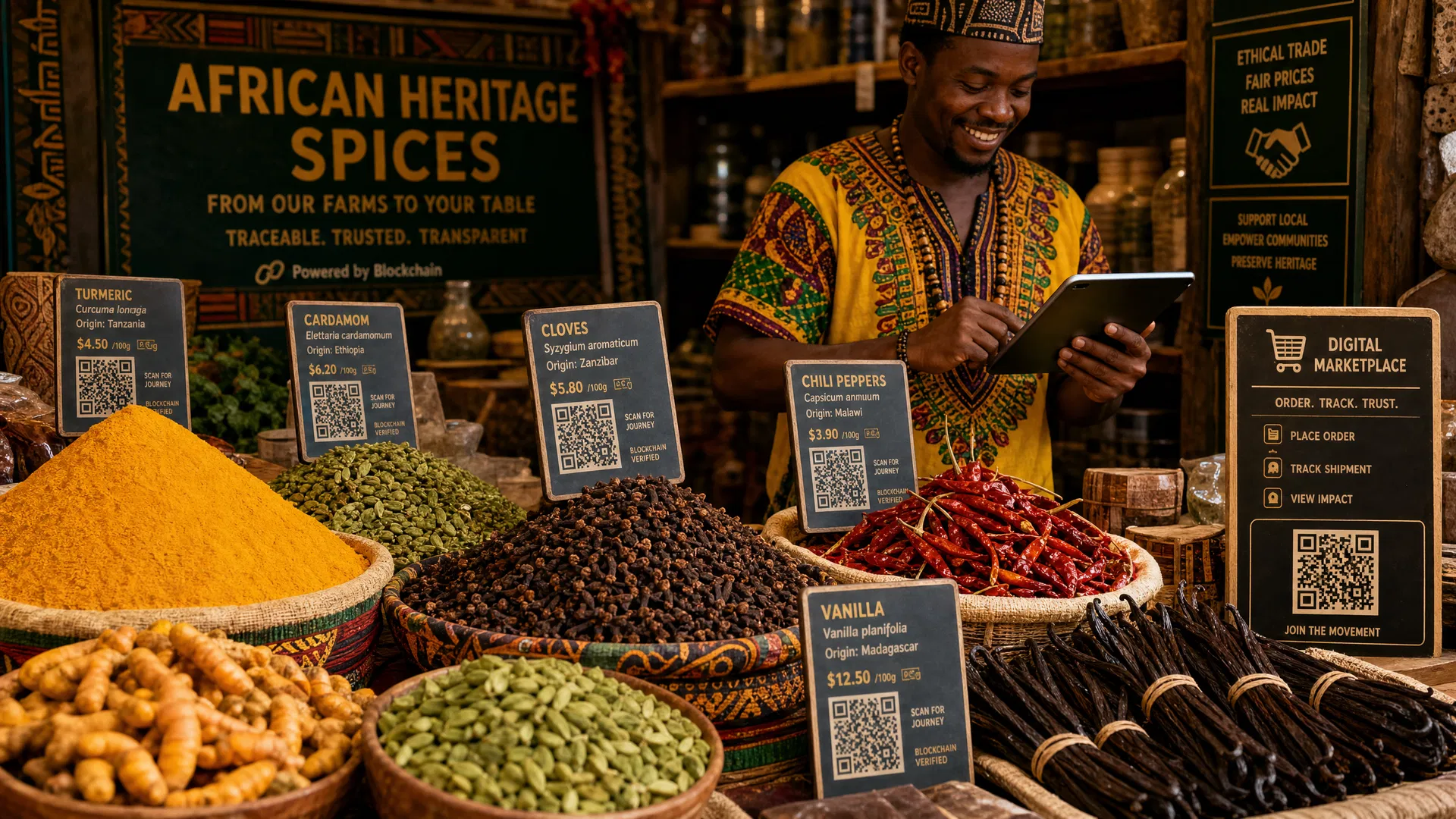
A notable example is the use of blockchain-based smart contracts to facilitate agricultural loans and input supply. In Nigeria, the AgriLedger platform uses blockchain to record transactions and verify the provenance of produce, ensuring farmers receive fair prices and timely payments. Furthermore, blockchain tokenization enables fractional ownership of farming assets, allowing investors to fund agricultural projects remotely while farmers gain access to capital without traditional intermediaries. These innovations not only increase transparency but also attract institutional investment into African agriculture by mitigating risks associated with the sector.
Digital Finance Solutions and Food Security in Africa
Food security remains a critical challenge for Africa, with the continent facing a projected 60% increase in food demand by 2050 due to population growth. Digital finance agriculture Africa initiatives are integral to addressing this challenge by empowering smallholder farmers to increase yields, reduce post-harvest losses, and integrate into more efficient supply chains. Access to credit and insurance through digital platforms enables farmers to invest in improved seeds, fertilizers, and climate-resilient practices.
Insurance products offered via mobile channels protect smallholders against crop failures caused by unpredictable weather patterns and pests. For instance, index-based insurance schemes in Ethiopia and Ghana pay out automatically when satellite data indicates adverse climatic conditions, reducing farmers’ vulnerability and encouraging investment in productivity-enhancing inputs. These digital financial instruments, combined with blockchain-enabled traceability and market access, contribute to stabilizing food supply and enhancing resilience across Africa’s agricultural landscape.
The Role of Regulatory Frameworks in Scaling Digital Agriculture Finance
Robust regulatory frameworks are essential for fostering the growth and sustainability of digital finance agriculture Africa solutions. Policymakers across the continent are increasingly recognizing the need to balance innovation with consumer protection, data privacy, and financial stability. The emergence of sandbox environments in countries like South Africa and Kenya allows fintech startups to pilot blockchain finance and digital lending products under regulatory oversight, accelerating innovation while mitigating systemic risks.
Moreover, harmonizing regulations at the Pan-African level, through initiatives like the African Continental Free Trade Area (AfCFTA), can unlock cross-border digital finance services for smallholder farmers. This will facilitate access to regional markets and diversified investment capital. Regulatory clarity on blockchain tokenization and digital identity frameworks will also be pivotal in scaling agricultural loans and insurance products, creating an inclusive digital ecosystem that supports sustainable agricultural development.
Future Outlook: Digital Infrastructure as a Catalyst for Agricultural Transformation
As Africa undergoes a digital economy transformation, building resilient digital infrastructure will be critical to unlocking the full potential of digital finance solutions for smallholder farmers. Investments in broadband connectivity, mobile network expansion, and affordable smartphones must be prioritized to bridge the rural-urban digital divide. Enhanced data interoperability and cloud computing capabilities will further enable sophisticated blockchain finance applications and real-time agricultural analytics.
Institutional investors and development partners have significant opportunities to support this infrastructure buildout, which will facilitate scalable, transparent, and accessible digital financial services. The integration of tokenization into agriculture finance ecosystems presents novel avenues for mobilizing capital and incentivizing sustainable farming practices. Ultimately, a cohesive digital finance strategy embedded in Africa’s broader economic policies can empower smallholder farmers, improve food security, and drive inclusive growth across the continent’s agricultural sector.