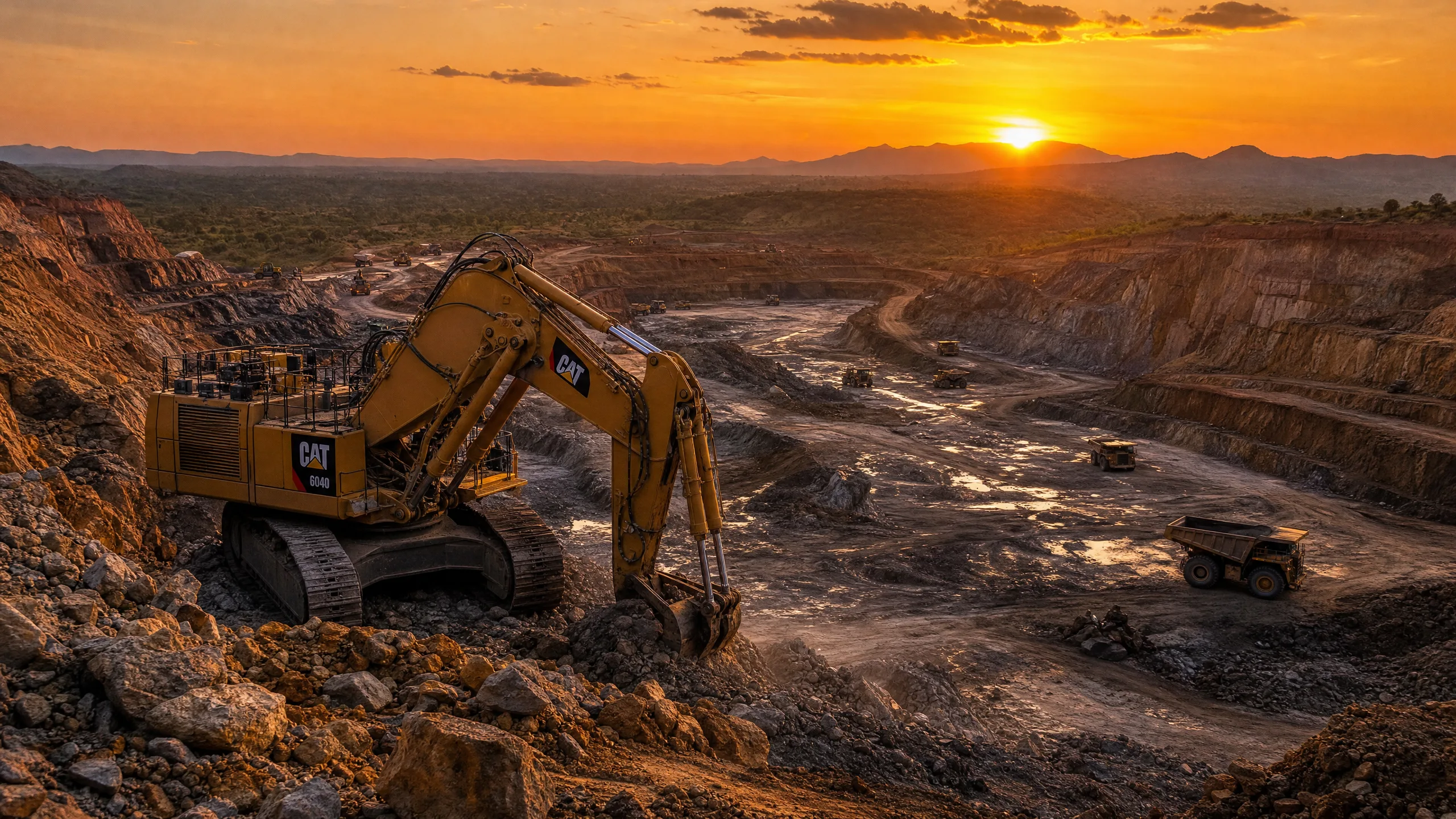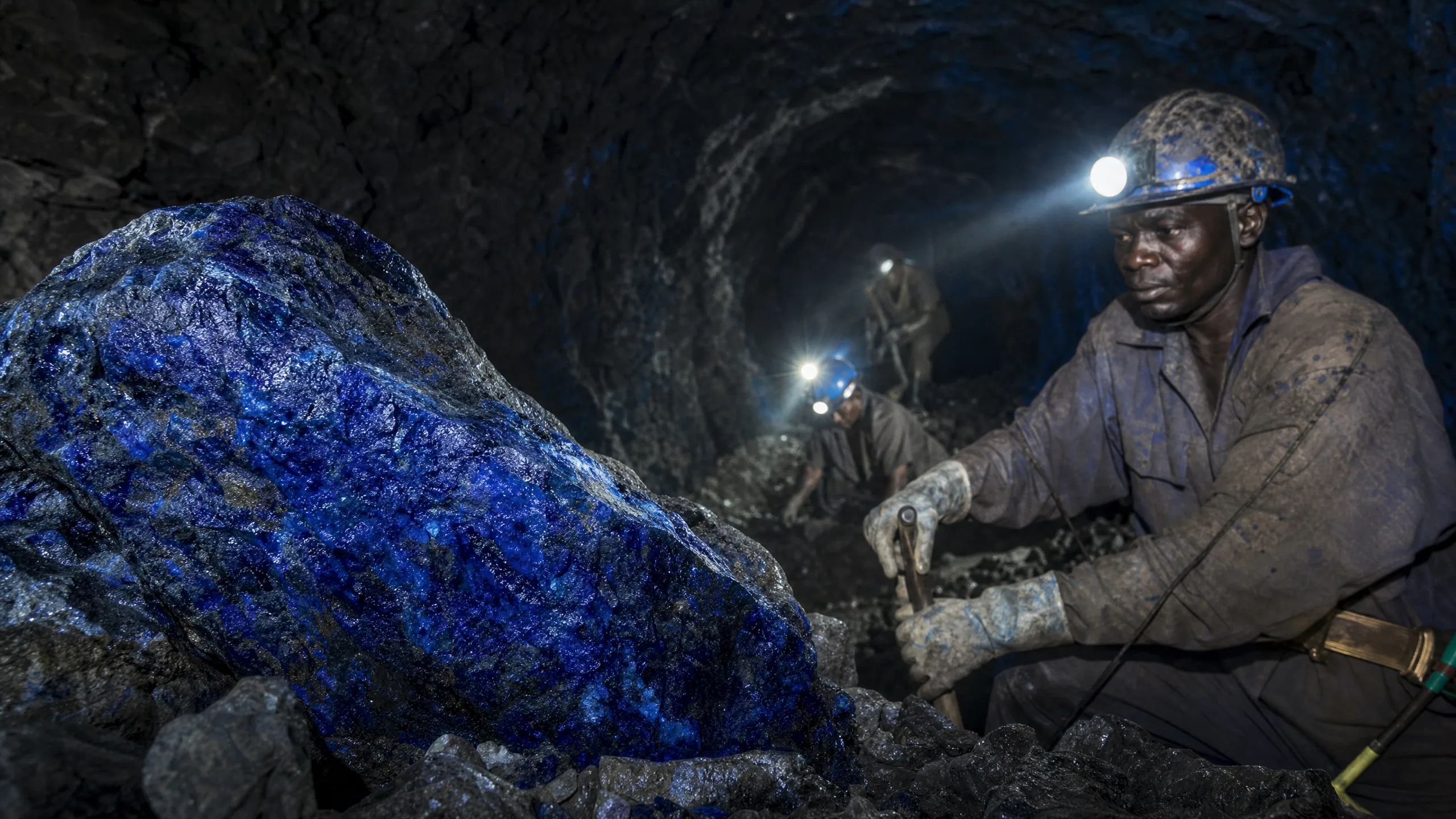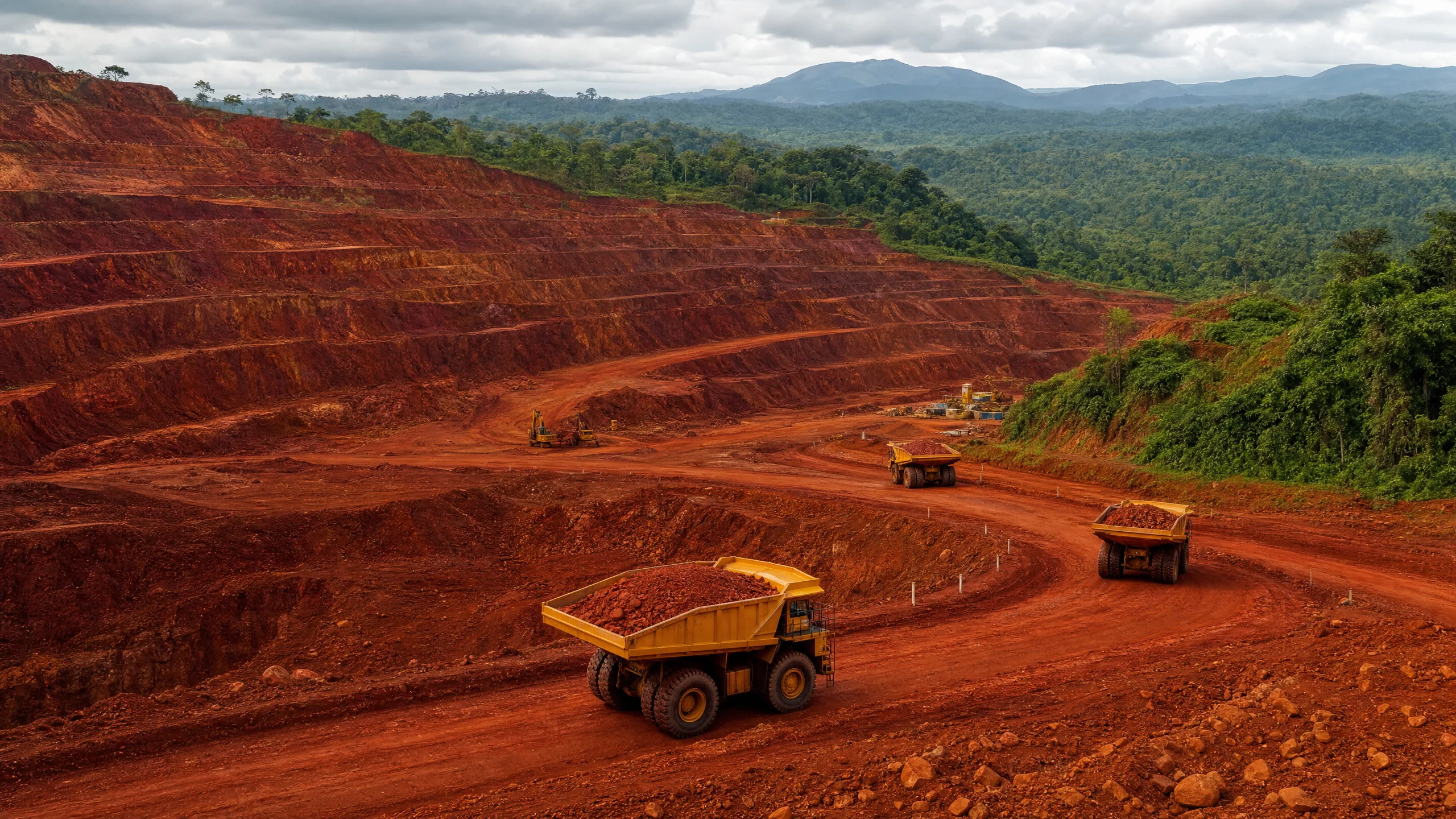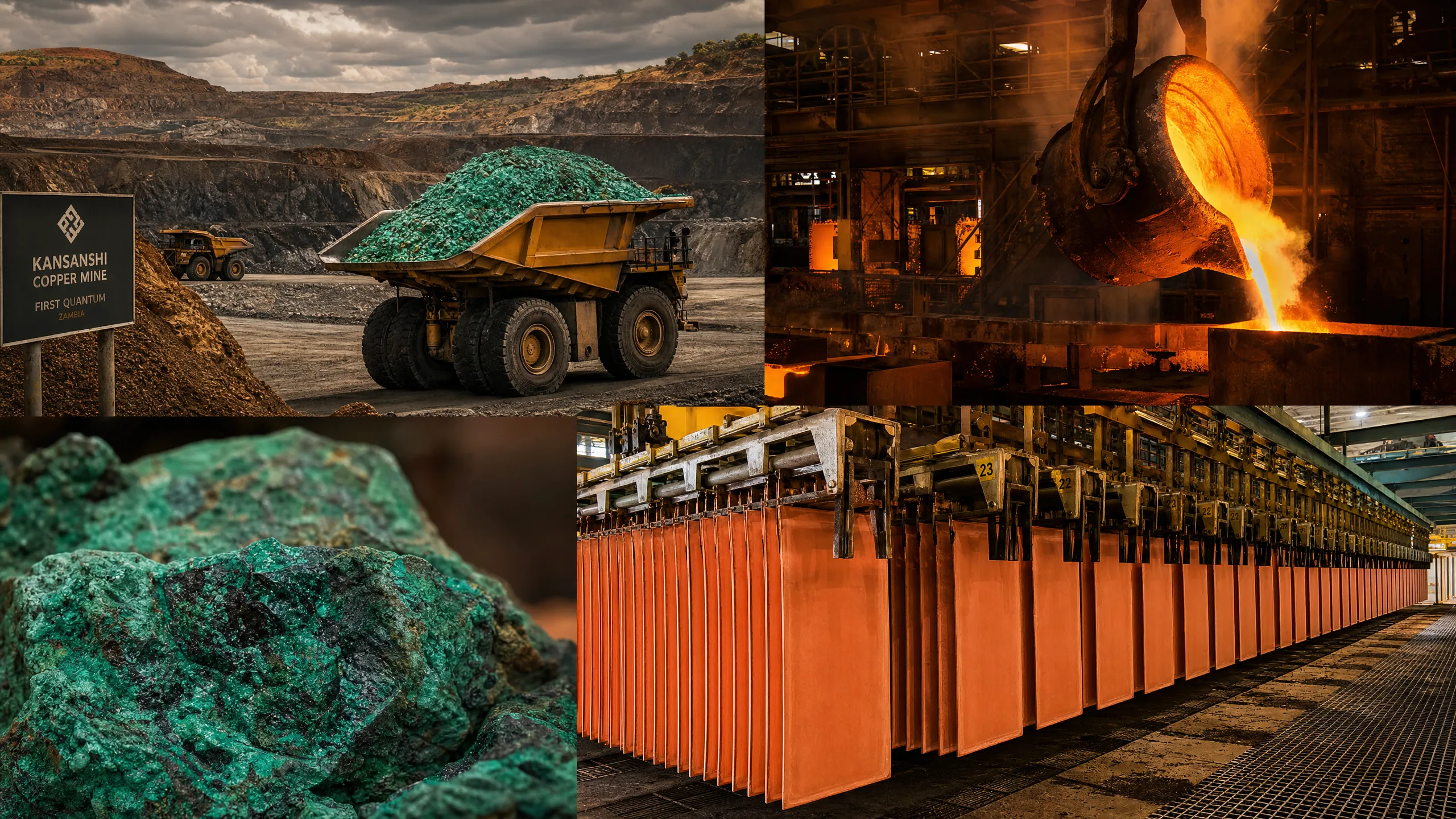
Introduction: The Digital Shift in East Africa's Mining Landscape
Resource extraction paradigms across East Africa are undergoing a profound transformation, driven by the rapid integration of advanced technological frameworks. Historically characterized by labor-intensive processes and opaque supply chains, extractive industries are now recognizing the critical importance of digital infrastructure mining. This paradigm shift is a fundamental restructuring of how mineral wealth is quantified, extracted, and distributed globally. As nations like Tanzania and Kenya seek to maximize resource revenues, deploying robust digital networks has become a strategic imperative for governments and private enterprises alike.
Modernizing African mining requires a comprehensive approach that transcends basic automation, demanding the implementation of sophisticated data architectures and connectivity solutions. The integration of these digital systems enables real-time monitoring of mining operations, significantly reducing downtime and mitigating environmental impacts. The convergence of resource extraction and technological innovation is a cornerstone of the broader digital economy Africa is currently building, positioning the region to attract institutional investment.
Leveraging IoT in Mining for Enhanced Operational Efficiency
The deployment of the Internet of Things (IoT) represents a critical milestone in the journey toward modernizing African mining operations. By embedding interconnected sensors and smart devices throughout the extraction and processing phases, mining companies can generate a continuous stream of actionable data. IoT in mining facilitates the real-time tracking of heavy machinery, personnel, and environmental conditions, thereby creating a highly responsive operational ecosystem. This continuous data flow allows site managers to anticipate equipment failures before they occur, transitioning from reactive maintenance to highly efficient predictive maintenance models.
In the context of East Africa's diverse geological environments, IoT technologies offer unprecedented visibility into subterranean operations. Sensors deployed deep within mine shafts can monitor structural integrity, air quality, and temperature fluctuations, significantly enhancing occupational safety standards. Furthermore, the integration of IoT devices with centralized digital infrastructure mining platforms enables the automated adjustment of ventilation systems based on real-time environmental data.
Blockchain Technology: Revolutionizing Supply Chain Transparency
The integration of blockchain technology into East Africa's mining sector is fundamentally redefining the standards of supply chain transparency and ethical sourcing. For decades, the region has grappled with challenges related to the illicit trade of conflict minerals and the lack of verifiable provenance for extracted resources. Blockchain technology addresses these systemic vulnerabilities by creating an immutable, decentralized ledger that records every transaction and movement of minerals from extraction to the final consumer. This cryptographic security ensures that data cannot be altered or manipulated, providing stakeholders with absolute confidence.
Implementing blockchain technology within the framework of digital infrastructure mining enables the creation of smart contracts that automate compliance and royalty payments. As minerals pass through various checkpoints, smart contracts can automatically verify certifications and trigger financial settlements, significantly reducing administrative overhead. By modernizing African mining through blockchain integration, regional operators can seamlessly provide verifiable proof of ethical sourcing.
Tokenization and the Future of Mineral Asset Investment
The advent of digital asset tokenization is poised to democratize access to East Africa's lucrative mining sector, fundamentally altering the landscape of mineral investment. Tokenization involves converting the ownership rights of physical assets, such as unextracted mineral reserves or operational mining infrastructure, into digital tokens on a blockchain network. This innovative financial mechanism allows for the fractional ownership of high-value assets, significantly lowering the barrier to entry for a diverse range of investors. By leveraging blockchain technology, tokenization provides unprecedented liquidity to an industry traditionally characterized by highly illiquid investments.
Integrating tokenized assets into the broader digital economy Africa is cultivating presents a unique opportunity to attract global capital while retaining regional economic sovereignty. Institutional investors can now acquire digital tokens representing specific yields from a mining project, mitigating the risks associated with traditional equity investments. As regulatory environments mature, tokenization will likely become a primary vehicle for funding new mining sites.
Overcoming Challenges in Digital Infrastructure Mining
Despite the immense potential of technological integration, the path to modernizing African mining is fraught with significant infrastructural and regulatory challenges. One of the primary obstacles is the lack of reliable broadband connectivity in remote mining regions across East Africa. The successful deployment of IoT in mining and blockchain technology requires continuous, high-speed data transmission, which is often unavailable in off-grid locations. Addressing this connectivity gap necessitates substantial investments in satellite communications, localized mesh networks, and the expansion of national fiber-optic grids.
Another critical challenge lies in the realm of cybersecurity and data sovereignty, which are paramount concerns for both governments and private operators. As mining operations become increasingly reliant on digital infrastructure mining, they also become more vulnerable to sophisticated cyberattacks targeting critical operational technology. Protecting these interconnected systems requires the implementation of robust cybersecurity protocols, continuous threat monitoring, and comprehensive incident response strategies.
Conclusion: Pioneering the Digital Economy in Africa's Mining Sector
Implementing advanced technologies is the catalyst for a new era of prosperity and sustainability in East Africa's extractive industries. By prioritizing digital infrastructure mining, the region is successfully transitioning away from antiquated practices and embracing a future defined by efficiency, transparency, and innovation. The integration of IoT in mining and the deployment of blockchain technology are not merely operational upgrades; they are foundational elements of a comprehensive strategy aimed at modernizing African mining. These advancements are essential for maximizing resource value and environmental stewardship.
As the digital economy Africa continues to expand, the mining sector will undoubtedly serve as a critical pillar of this continent-wide transformation. The emergence of tokenized mineral assets and data-driven investment models highlights the profound intersection of finance, technology, and resource extraction. Sustained collaboration between policymakers, technologists, and institutional investors will be paramount in overcoming infrastructural challenges and unlocking the region's mineral wealth.