
Introduction: The Imperative of Food Security in Central Africa
Central Africa stands at a critical juncture where traditional agriculture and modern technological innovation must intersect to reshape its economic trajectory. The region boasts immense agricultural potential capable of sustaining local populations. However, persistent challenges such as fragmented supply chains, limited capital, and inadequate infrastructure have historically constrained this potential. Addressing these systemic vulnerabilities requires a paradigm shift toward integrated frameworks that leverage community collaboration and advanced technological solutions.
Integrating digital technologies into the agricultural sector represents a transformative opportunity to enhance productivity. As global markets demand transparency and efficiency, Central Africa must adopt modernized systems to remain competitive and secure its food supply. Institutional investors and policymakers recognize that sustainable food security requires a strategic pivot toward digital empowerment. Consequently, the convergence of cooperative economic models and robust digital infrastructure is emerging as the most viable pathway to achieving long-term agricultural sustainability.
Cooperative Economics Food Security: A Foundation for Growth
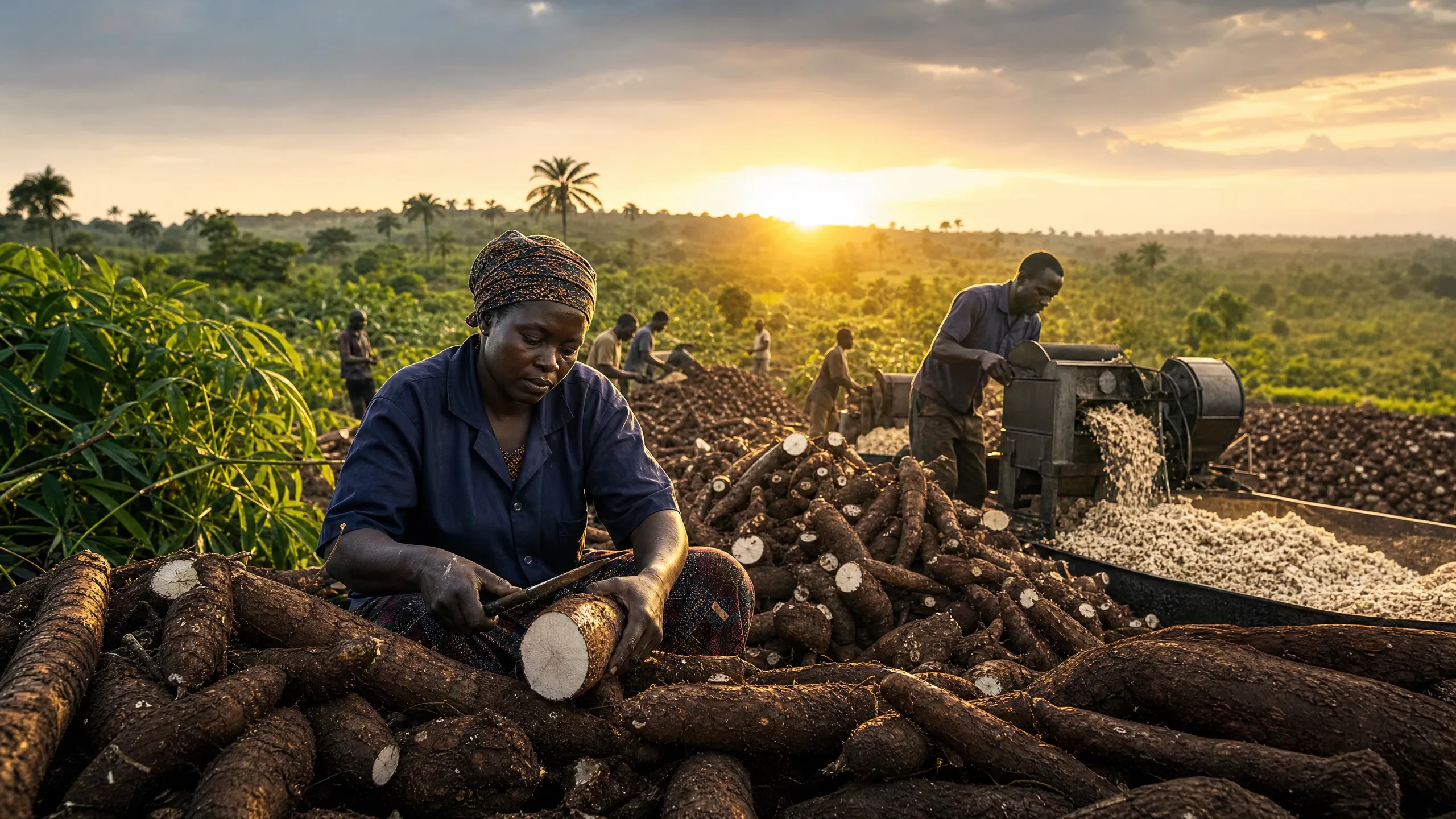
Cooperative economics food security is rooted in the principle that collective action overcomes limitations faced by individual smallholder farmers. Cooperatives provide a vital mechanism for pooling resources and accessing broader markets. By organizing formally, farmers negotiate better prices for essential inputs while securing favorable terms when selling harvests. This collaborative approach improves profit margins for individual farmers and stabilizes the overall food supply by ensuring consistent production levels.
Beyond immediate economic benefits, cooperative models foster social cohesion and empower marginalized groups. Operating collectively allows farmers to build institutional capacity that attracts investment from public and private entities seeking reliable partners. Financial institutions are historically hesitant to lend to individual smallholders, but cooperatives present a consolidated, lower-risk entity capable of managing credit effectively. This enhanced access to finance enables cooperatives to invest in essential infrastructure, critical for adding value to raw agricultural products and building climate resilience.
Central Africa Agriculture: Overcoming Traditional Bottlenecks
Despite its vast potential, Central Africa agriculture has long been hindered by structural bottlenecks that impede efficiency. Poor transportation networks, inadequate storage facilities, and a lack of reliable market information frequently result in significant post-harvest losses. These inefficiencies diminish economic returns for farmers and exacerbate food scarcity in urban centers. Overcoming these entrenched challenges requires targeted investments in both physical and digital infrastructure to streamline operations and enhance climate resilience across the region.
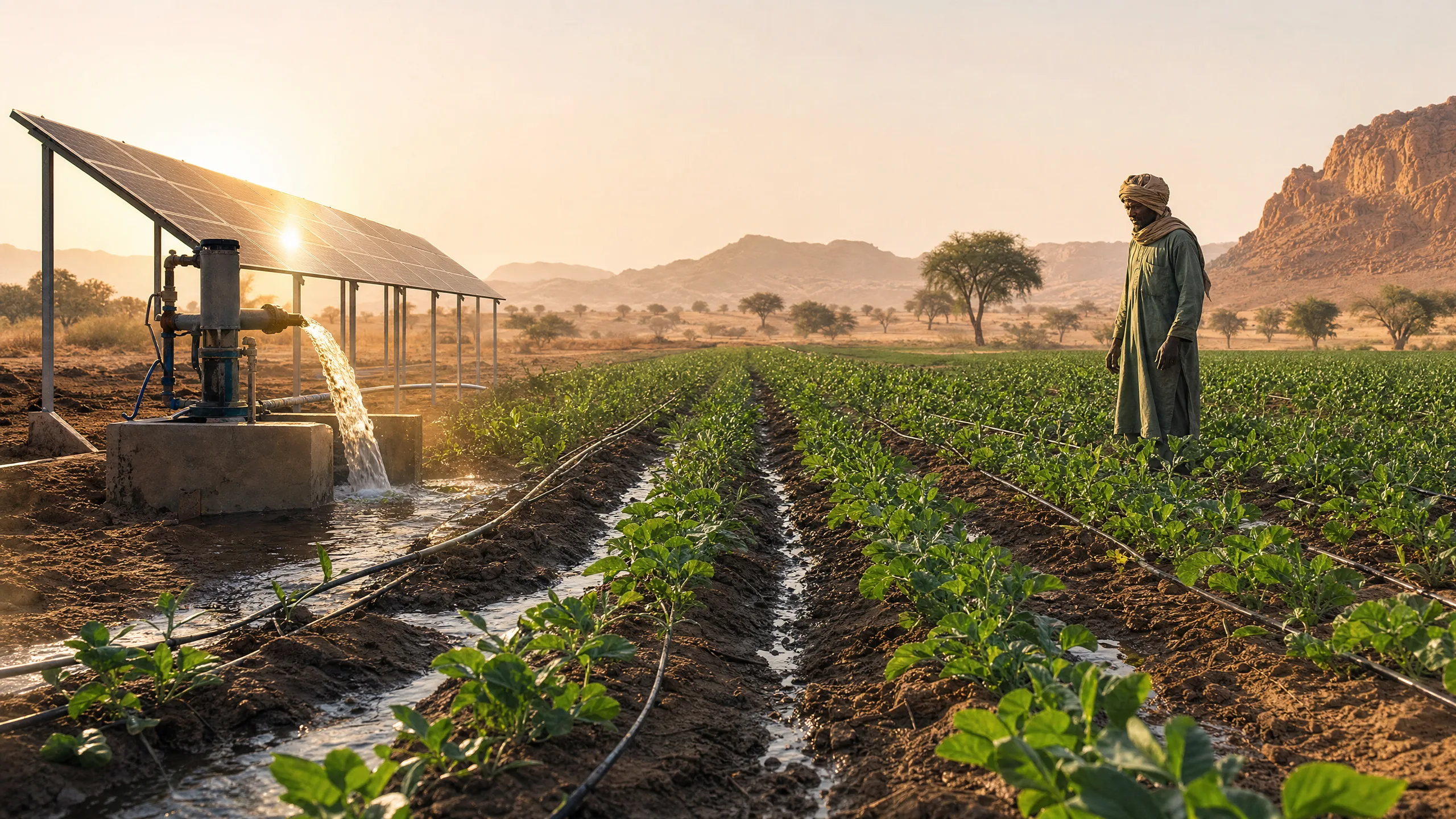
Modernizing the agricultural sector increasingly depends on deploying data-driven solutions that optimize resource allocation and improve decision-making. Precision agriculture technologies offer unprecedented insights into crop health and environmental conditions, enabling farmers to apply inputs efficiently and maximize yields. However, widespread adoption of these technologies is contingent upon reliable digital connectivity. Policymakers must prioritize initiatives that bridge the digital divide, ensuring smallholder farmers have access to the tools necessary for participating in modern farming ecosystems.
Digital Infrastructure: Transforming the Food Supply Chain
Developing robust digital infrastructure is transforming the food supply chain across Central Africa, introducing unprecedented transparency and efficiency. Digital platforms facilitate direct connections between producers, distributors, and consumers, effectively bypassing traditional intermediaries. Mobile technology has revolutionized market access, allowing farmers to receive real-time pricing information, weather forecasts, and agricultural advisory services directly on their devices. This democratization of information empowers farmers to make informed decisions, significantly improving their bargaining power and overall profitability.
As the food supply chain becomes increasingly digitized, tracking agricultural products from farm to fork is becoming a critical requirement. Digital traceability systems ensure compliance with stringent food safety standards and provide consumers with verifiable information regarding food origins. This transparency is particularly valuable for high-value export commodities, where verifiable provenance commands premium prices. Furthermore, data generated by these digital supply chains offers invaluable insights for policymakers, enabling them to identify inefficiencies and deploy targeted interventions during crises.
Blockchain Cooperatives: Tokenizing Agricultural Assets
Blockchain cooperatives represent a revolutionary advancement in how agricultural assets are managed, financed, and traded in Central Africa. Leveraging distributed ledger technology allows cooperatives to tokenize physical assets such as land, crops, and equipment into digital tokens. This tokenization process democratizes access to investment capital, allowing global investors to participate in the African agricultural sector. Blockchain technology ensures these transactions are secure, transparent, and immutable, significantly reducing fraud risks and enhancing trust among stakeholders.
Beyond facilitating investment, blockchain technology streamlines the operational efficiency of agricultural cooperatives by automating complex processes through smart contracts. These self-executing contracts automatically trigger payments to farmers upon the successful delivery of produce, eliminating administrative delays and ensuring prompt compensation. Furthermore, blockchain-based identity systems provide smallholder farmers with verifiable digital identities and credit histories, essential for accessing formal financial services. This integration of decentralized finance empowers farmers to bypass traditional banking infrastructure.
Conclusion: Future Opportunities in Digital Infrastructure
The intersection of cooperative economic models and advanced digital infrastructure presents a blueprint for achieving sustainable food security in Central Africa. As the region navigates a rapidly evolving global economy, the strategic deployment of technologies such as blockchain and mobile platforms will be paramount. Institutional investors and policymakers have a unique opportunity to catalyze this transformation by directing capital toward scalable digital solutions that empower smallholder farmers. Transitioning toward a digitized agricultural ecosystem will enhance productivity and drive broader economic growth.
Ultimately, successfully integrating these innovative frameworks will position Central Africa as a resilient, forward-looking leader in the global agricultural landscape. By prioritizing the development of robust digital infrastructure, stakeholders can ensure long-term prosperity and food security. The continued convergence of decentralized technologies and cooperative farming models offers a sustainable pathway to overcoming historical bottlenecks and unlocking unprecedented value. Embracing this digital transformation is not merely an option but an absolute necessity for securing the future of agriculture in the region.