
The Rise of Blockchain Agriculture Finance in Central Africa
Central Africa is experiencing a transformative shift in agricultural finance, driven by blockchain technology. Agriculture remains a cornerstone of the region’s economy, employing roughly 65% of the workforce in countries such as the Democratic Republic of Congo, Cameroon, and Gabon. However, traditional farm financing suffers from limited access to credit, high transaction costs, and lack of transparency. Blockchain agriculture finance offers a promising solution by providing decentralized, secure platforms that improve trust and operational efficiency among farmers, lenders, and investors.
This development aligns with Central Africa’s broader agenda to deepen its digital economy. The African Development Bank estimates that blockchain and digital finance could add up to $30 billion to the regional GDP by 2025. Blockchain’s inherent features—immutability, traceability, and automation via smart contracts—enable the creation of trustless systems that reduce risks and inefficiencies in agricultural lending. Digital finance agriculture is thus pioneering innovative financial products that close persistent financing gaps for smallholder farmers and agribusinesses alike.
Key Blockchain Solutions Transforming Agriculture Finance
Central Africa’s fintech ecosystem is rapidly adopting blockchain technologies such as smart contracts and tokenization to reshape agriculture finance. Smart contracts are self-executing agreements that automatically enforce terms when predefined conditions are met. In agriculture, this means loan disbursements can be linked to verifiable milestones like input delivery or crop harvesting, reducing default risks and administrative delays. Eliminating intermediaries enhances transparency and accelerates transaction times, appealing to institutional investors and lenders seeking efficient agri-fintech solutions.
Tokenization—the digital conversion of physical assets into blockchain-based tokens—is also revolutionizing farm financing. Tokenization allows farmers and agribusinesses to unlock liquidity by using land, crops, or equipment as collateral in digital form. These tokens can be traded or used as investment instruments, enabling fractional ownership and access to broader capital markets. For instance, a pilot project in Cameroon tokenized coffee harvests, allowing international investors to finance production in exchange for future revenue shares. Such innovations integrate Central African agriculture into global digital finance frameworks, expanding capital access.
Regulatory Frameworks and Policy Challenges
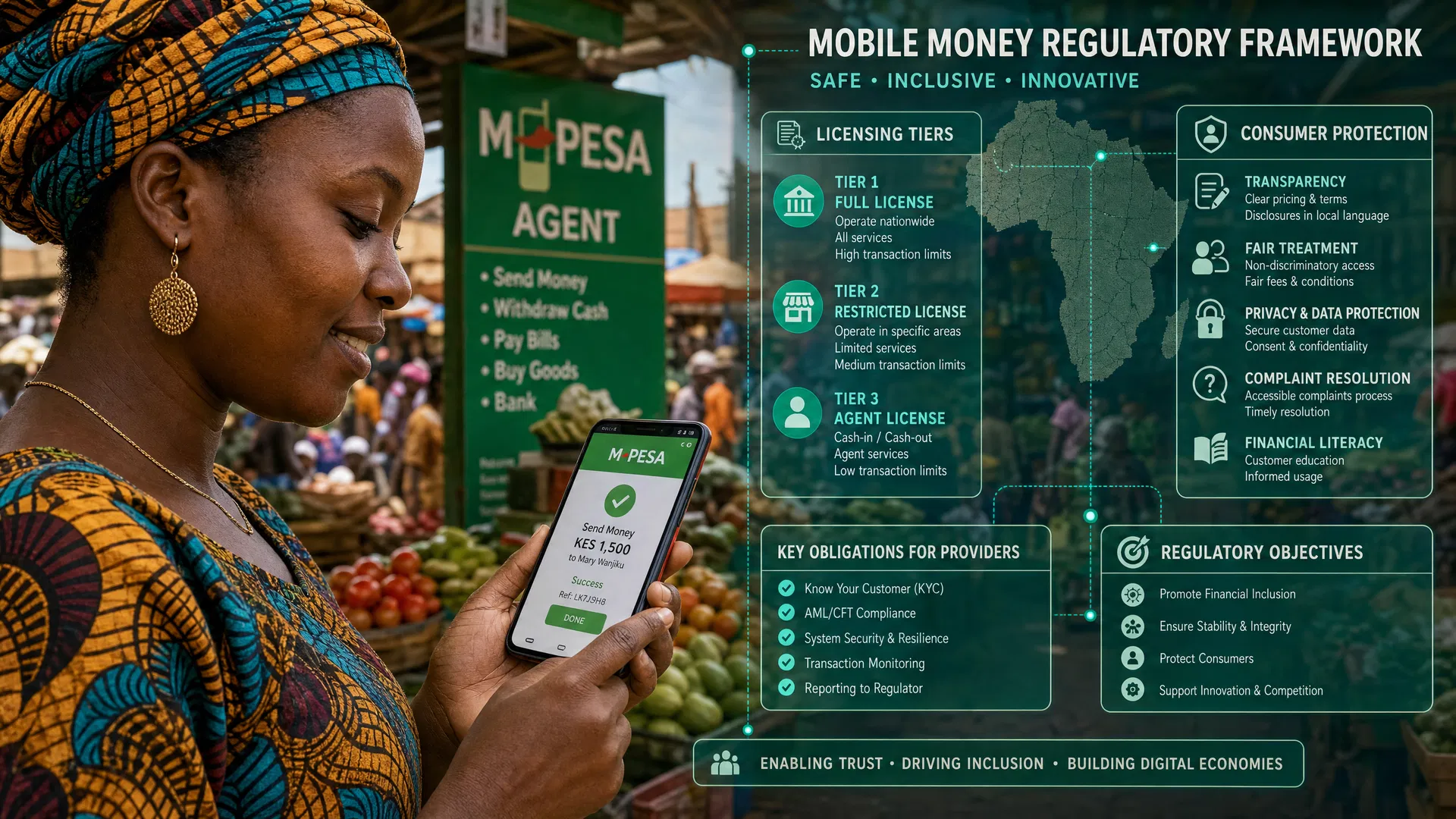
The expansion of blockchain agriculture finance in Central Africa hinges on developing clear regulatory frameworks that foster innovation while managing risks. Policymakers are increasingly focused on fintech regulations surrounding blockchain and smart contracts. The Central African Economic and Monetary Community (CEMAC) has initiated efforts to harmonize member state regulations, emphasizing data protection, anti-money laundering (AML), and consumer safeguards.
Despite progress, regulatory uncertainty remains a significant obstacle. Many countries lack comprehensive legislation addressing blockchain’s unique attributes, creating ambiguity around contract enforceability and legal jurisdiction. Institutional investors and fintech developers call for regulatory clarity to build trust and scale blockchain agriculture finance solutions. Regulatory sandboxes and public-private partnerships offer controlled environments for innovation, enabling policymakers to fine-tune regulations that balance growth with risk mitigation. Aligning these efforts with continental strategies, such as the African Union’s Digital Transformation Strategy, is vital for enabling cross-border blockchain applications.
Enhancing Financial Inclusion for Smallholder Farmers
Smallholder farmers—comprising more than 80% of Central Africa’s agricultural workforce—stand to benefit immensely from blockchain-based digital finance agriculture. Traditionally underserved by formal financial institutions due to insufficient collateral and credit histories, these farmers often rely on informal, costly lending. Blockchain platforms can overcome these barriers by using transparent, blockchain-verified transaction records and farm data to create alternative credit scoring models.
Furthermore, blockchain facilitates direct connections between farmers and investors, cutting out intermediaries and reducing transaction costs. In Gabon, a fintech startup deployed a blockchain-based microfinance platform automating loan disbursement and repayments via smart contracts, resulting in a 30% increase in loan approvals within the first year. Such platforms improve access to affordable financing, boosting productivity and income stability. Additionally, blockchain enhances supply chain transparency, empowering farmers with better market insights and stronger negotiation power.
Integration with Africa’s Digital Economy Transformation
Central Africa’s blockchain agriculture finance solutions are part of a broader continental digital economy transformation reshaping finance, trade, and governance. The African Continental Free Trade Area (AfCFTA) aims to increase intra-African trade by over 50%, and blockchain-enabled digital finance can streamline cross-border agricultural payments, reducing settlement times from days to minutes. Blockchain’s compatibility with emerging technologies like the Internet of Things (IoT) and artificial intelligence supports precision agriculture and risk assessment, improving creditworthiness evaluation.
Tokenization aligns with Africa’s growing decentralized finance (DeFi) ecosystem, democratizing access to investment and liquidity. Central African fintech firms are collaborating with pan-African blockchain consortia to build interoperable platforms capable of scaling regionally. This integration ensures Central Africa participates actively in Africa’s digital future, rather than lagging behind. For institutional investors, these developments signal a maturing market with scalable blockchain agriculture finance solutions that deliver both developmental impact and attractive returns.
Future Outlook: Building Digital Infrastructure for Sustainable Growth
Sustaining blockchain’s impact in Central Africa’s agriculture finance requires robust digital infrastructure and collaborative ecosystems. Investments in broadband connectivity, mobile network expansion, and digital literacy are essential to accelerate blockchain adoption among rural farmers. Governments and development partners must encourage interoperable platforms that enable secure data sharing and seamless integration of smart contracts and tokenization services.
Multi-stakeholder partnerships—including agribusinesses, fintech innovators, regulators, and international investors—are crucial for creating sustainable blockchain finance ecosystems. Aligning blockchain agriculture finance initiatives with Sustainable Development Goals (SDGs), especially poverty reduction and food security, can attract additional funding and political support. With enhanced digital infrastructure, Central Africa can establish itself as a leader in transparent, efficient, and inclusive agricultural finance, strengthening its farming sector’s resilience and competitiveness within the global digital economy.