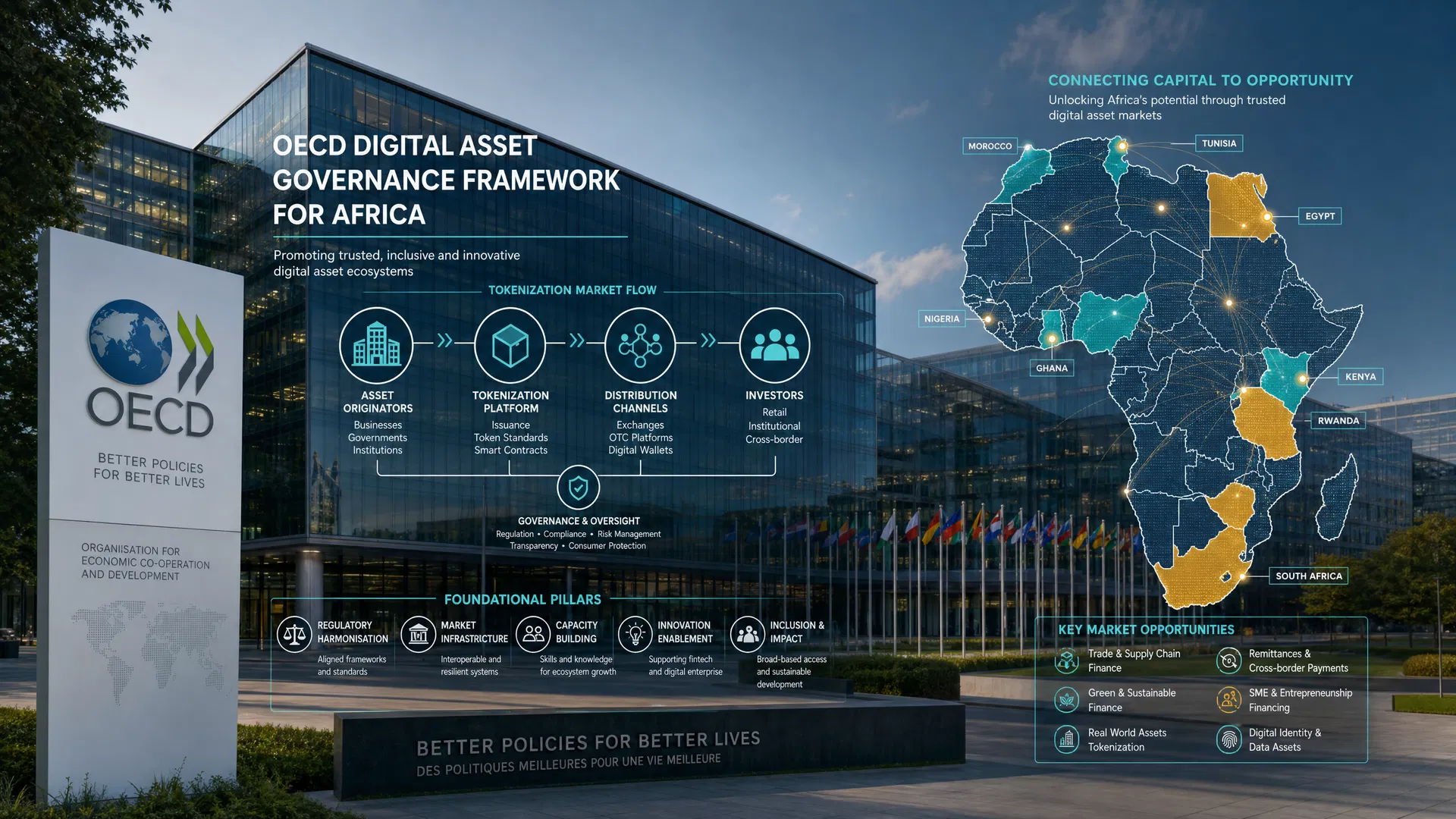

# Uganda's Financial Sector Regulatory Framework for Digital Assets and Blockchain
As Africa accelerates its transition toward a digital economy, Uganda finds itself at a critical juncture in shaping its financial sector regulatory framework for digital assets and blockchain technology. For institutional investors, policymakers, and fintech operators, understanding the nuances of Uganda's regulatory landscape is essential for navigating the complexities of digital finance. AfriVest, as a platform building Africa's sovereign digital asset infrastructure, recognizes the importance of aligning with both international standards and regional data protection laws to foster a secure and compliant ecosystem.
The Regulatory Background and Legal Status
The legal status of digital assets in Uganda is characterized by a cautious approach from regulatory authorities. Currently, cryptocurrency is not recognized as legal tender in the country. The Bank of Uganda (BOU) and the Ministry of Finance, Planning and Economic Development have issued public statements clarifying that no organization is licensed to sell or facilitate the trade of cryptocurrencies. This stance was reinforced by a significant 2023 High Court ruling, which declared cryptocurrencies illegal as a payment instrument. The ruling upheld a BOU directive under the National Payment Systems Act, 2020, barring licensed financial entities from converting crypto into official currency or mobile money.
Despite this restrictive approach to cryptocurrencies as payment instruments, the regulatory framework is not entirely prohibitive. The enactment of the National Payment Systems Act, 2020 (NPS Act) marked a pivotal moment in regulating digital financial services. The NPS Act grants the Central Bank the mandate to operate, supervise, and regulate various payment systems, including electronic money issuers and payment service providers. This legislation aims to ensure the safety and efficiency of payment systems, providing a structured environment for digital financial innovation, provided it operates within the defined legal boundaries.
Key Provisions and Compliance Implications
For businesses operating in the digital asset space, compliance with Uganda's regulatory requirements is paramount. A cornerstone of this compliance framework is the Anti-Money Laundering Act, 2013, which was amended in December 2020 to bring Virtual Asset Service Providers (VASPs) under the supervision of the Financial Intelligence Authority (FIA). This amendment requires VASPs to register with the FIA and adhere to stringent Anti-Money Laundering and Combating the Financing of Terrorism (AML/CFT) regulations.
Key compliance obligations for VASPs and other reporting entities include conducting comprehensive Customer Due Diligence (CDD) and Know Your Customer (KYC) checks. Businesses must verify customer identities, determine ultimate beneficial ownership, and assess the money laundering and terrorism financing risks associated with their services. For high-risk customers, such as Politically Exposed Persons (PEPs), Enhanced Due Diligence (EDD) measures are mandatory. Furthermore, entities are required to file Suspicious Transaction Reports (STRs) with the FIA and maintain detailed records for a minimum of ten years.
In addition to AML/CFT requirements, data protection is a critical component of the regulatory landscape. The Data Protection and Privacy Act, 2019, establishes the legal framework for safeguarding personal data in Uganda. Fintech operators and digital asset platforms must ensure compliance with this Act, which mandates the secure collection, processing, and storage of personal information. Aligning with regional data protection laws, such as the Malabo Convention and other national frameworks (e.g., POPIA, NDPA), is essential for platforms like AfriVest that aim to operate across borders while maintaining high standards of data privacy and security.
Enforcement Mechanisms and Regulatory Authorities
The enforcement of Uganda's digital asset regulations involves multiple government bodies, each with specific mandates. The Financial Intelligence Authority (FIA) is the primary body responsible for supervising VASPs and enforcing AML/CFT compliance. The FIA monitors these entities to mitigate risks such as investment scams and terrorism financing.
The Bank of Uganda (BOU) plays a central role in regulating payment systems under the NPS Act. The BOU has the authority to issue licenses, conduct examinations, and take enforcement actions against non-compliant payment service providers. Its directive prohibiting the conversion of crypto to fiat by licensed entities underscores its commitment to maintaining control over the national currency and payment infrastructure.
Other relevant authorities include the Capital Markets Authority (CMA), which regulates securities and may have jurisdiction over digital assets that function as securities, such as security tokens. The Uganda Revenue Authority (URA) is also involved, focusing on protecting the tax base and overseeing domestic resource mobilization in the context of digital transactions.
Preparing for the Future: Strategic Alignment
For digital asset platforms and fintech operators, navigating Uganda's regulatory environment requires a proactive and strategic approach. Platforms must prioritize building robust compliance programs that integrate AML/CFT measures, data protection protocols, and risk management frameworks. By aligning with international standards, such as those set by the Financial Action Task Force (FATF) and the International Organization of Securities Commissions (IOSCO), platforms can demonstrate their commitment to regulatory excellence and build trust with institutional investors and regulatory bodies.
Furthermore, platforms should leverage technological solutions to streamline compliance processes. Implementing advanced identity verification systems, transaction monitoring tools, and secure data storage infrastructure will be crucial for meeting regulatory requirements efficiently. As Uganda continues to develop its regulatory sandbox framework under the NPS Act, there may be opportunities for innovative platforms to test new technologies and business models in a controlled environment, fostering collaboration between regulators and industry players.
Conclusion: Connecting to Africa's Digital Economy
Uganda's evolving regulatory framework for digital assets and blockchain reflects a broader trend across the African continent—a delicate balance between fostering innovation and mitigating risks. As Africa builds its sovereign digital asset infrastructure, platforms like AfriVest play a vital role in bridging the gap between technological advancement and regulatory compliance. By adhering to national laws, regional data protection standards, and international best practices, digital asset platforms can contribute to the creation of a secure, inclusive, and resilient financial ecosystem. The journey toward a fully integrated digital economy in Africa requires collaboration, adaptability, and a steadfast commitment to regulatory integrity, ensuring that the benefits of digital finance are realized while safeguarding the interests of all stakeholders.