
The Evolution of Cross-Border Digital Finance in Sub-Saharan Africa
The landscape of cross-border digital finance in Sub-Saharan Africa is undergoing a profound transformation, driven by rapid technological adoption and the pressing need for financial inclusion. Historically, moving money across borders in this region has been characterized by exorbitant fees, prolonged settlement times, and significant friction. However, the emergence of innovative digital payments solutions is fundamentally altering this paradigm, enabling faster and more cost-effective transactions. This shift is a critical enabler of economic growth, facilitating trade, remittances, and investment. As mobile money platforms become ubiquitous, they are laying the groundwork for a more integrated regional economy.
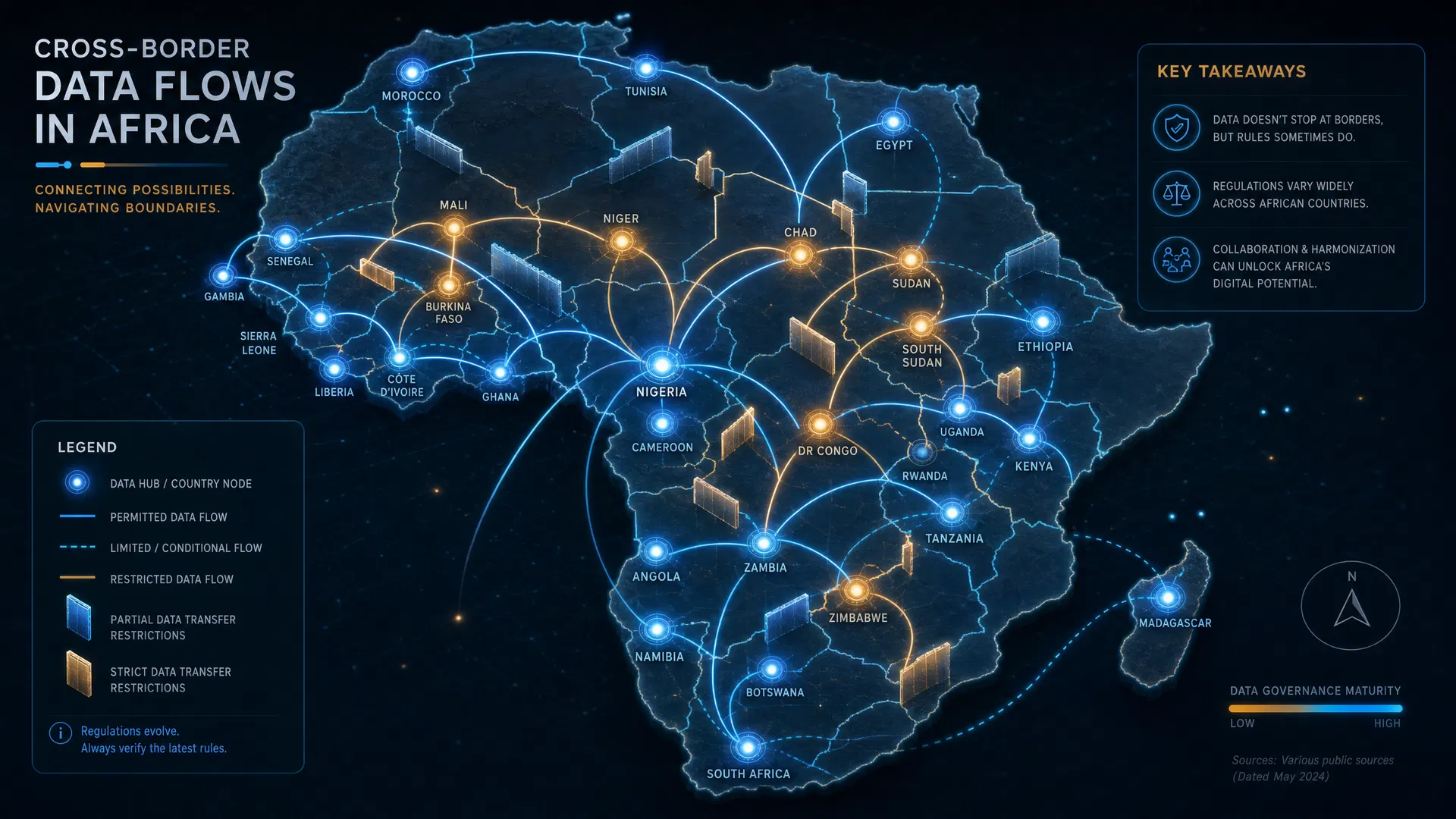
Despite these technological advancements, the full potential of cross-border digital finance remains constrained by a complex and fragmented regulatory environment. Each nation within Sub-Saharan Africa maintains its own set of financial regulations, creating a patchwork of compliance requirements that can stifle innovation and deter investment. Navigating these regulatory frameworks is a formidable challenge for financial technology companies and institutional investors seeking to operate across multiple jurisdictions. The lack of harmonization increases operational costs and creates regulatory arbitrage. Consequently, policymakers increasingly recognize the urgent need for cohesive regulatory strategies.
Harmonizing Regulatory Frameworks for Regional Integration
The harmonization of regulatory frameworks is paramount for the sustainable growth of cross-border digital finance in Sub-Saharan Africa. Currently, disparate regulatory approaches across the region create significant barriers to entry for digital financial service providers. A fragmented landscape means that a company successfully operating in Kenya must navigate an entirely different set of rules to expand into Nigeria or South Africa. This regulatory friction hampers the scalability of innovative solutions and limits the availability of affordable financial services. To address this, regional economic communities are increasingly prioritizing regulatory convergence.
Achieving regulatory harmonization requires a delicate balance between fostering innovation and mitigating systemic risks. Policymakers must design frameworks that protect consumers, prevent money laundering, and ensure financial stability without stifling the agility of digital finance platforms. This involves adopting risk-based approaches that tailor regulatory requirements to the specific nature and scale of the services provided. Furthermore, regulatory sandboxes have emerged as a valuable tool, allowing regulators to test new technologies in a controlled environment. By engaging in continuous dialogue with industry participants, regulators can develop effective policies that support cross-border digital finance.
The Impact of Blockchain Regulation on Financial Innovation
Blockchain technology and tokenization present unprecedented opportunities to revolutionize cross-border digital finance in Sub-Saharan Africa. By leveraging decentralized ledgers, financial institutions can achieve real-time settlement, enhance transparency, and significantly reduce the costs associated with cross-border transactions. Tokenization further expands these possibilities by enabling fractional ownership and increasing liquidity in traditionally illiquid markets. These innovations have the potential to democratize access to capital and create new avenues for investment, particularly in sectors such as agriculture and infrastructure. However, realizing these benefits depends heavily on establishing clear blockchain regulation.
The current state of blockchain regulation in Sub-Saharan Africa is highly varied, ranging from outright bans on cryptocurrencies to proactive efforts to integrate distributed ledger technology into the formal financial system. This regulatory uncertainty poses a significant deterrent to institutional investors and blockchain developers, who require legal clarity to commit capital. To harness the potential of blockchain technology, regulators must move beyond restrictive measures and adopt comprehensive frameworks. This includes defining the legal status of different types of tokens, establishing licensing requirements, and implementing robust anti-money laundering protocols.
Overcoming Compliance Challenges in Digital Payments
Compliance with anti-money laundering and combating the financing of terrorism regulations is a critical component of cross-border digital finance. In Sub-Saharan Africa, diverse and often stringent compliance requirements across different jurisdictions create significant operational hurdles for digital payments providers. The reliance on manual and fragmented compliance processes not only increases costs but also introduces inefficiencies that can delay transactions. Furthermore, the lack of standardized identity verification systems across the region complicates the implementation of robust know-your-customer procedures, making it difficult for providers to accurately assess and mitigate risks.
To overcome these compliance challenges, the industry must leverage advanced technologies such as artificial intelligence to automate and enhance regulatory reporting and monitoring. These technologies can analyze vast amounts of transaction data in real-time, identifying suspicious patterns with greater accuracy than traditional methods. Additionally, developing interoperable digital identity systems is crucial for streamlining know-your-customer processes across borders. By establishing trusted and verifiable digital identities, financial institutions can reduce the friction associated with customer onboarding. Collaborative efforts between governments and the private sector are essential to build this necessary infrastructure.
Future Opportunities in Africa's Digital Economy
The future of cross-border digital finance in Sub-Saharan Africa is intrinsically linked to the broader transformation of the continent's digital economy. As internet penetration increases and smartphone adoption accelerates, the foundation for a robust digital infrastructure is being laid. This digital awakening presents immense opportunities for institutional investors, policymakers, and technology innovators to collaborate in building a more inclusive financial ecosystem. The integration of digital payments, blockchain technology, and tokenization will streamline cross-border trade and unlock new models of economic participation for millions of unbanked individuals.
Looking ahead, the successful navigation of regulatory frameworks will be the defining factor in realizing the full potential of Africa's digital economy. Policymakers must remain agile, continuously adapting regulations to keep pace with technological advancements. The establishment of pan-African regulatory standards and the promotion of cross-border interoperability will be critical in creating a unified digital market. By fostering an environment that encourages innovation while safeguarding financial stability, Sub-Saharan Africa can position itself as a global hub for digital finance. The ongoing dialogue between regulators and the private sector will drive sustainable growth.