The Rise of Women in Africa’s Blockchain Economy
Africa’s blockchain economy is rapidly evolving, creating unprecedented opportunities for innovation and financial inclusion across the continent. Within this transformative landscape, women are emerging as pivotal contributors, driving technological adoption and fostering inclusive growth. Recent studies indicate that women constitute approximately 30% of blockchain professionals in Africa, a notable increase compared to global averages. This highlights the growing involvement of women in blockchain-related ventures, positioning them as key players in shaping the future of Africa’s digital finance ecosystem.
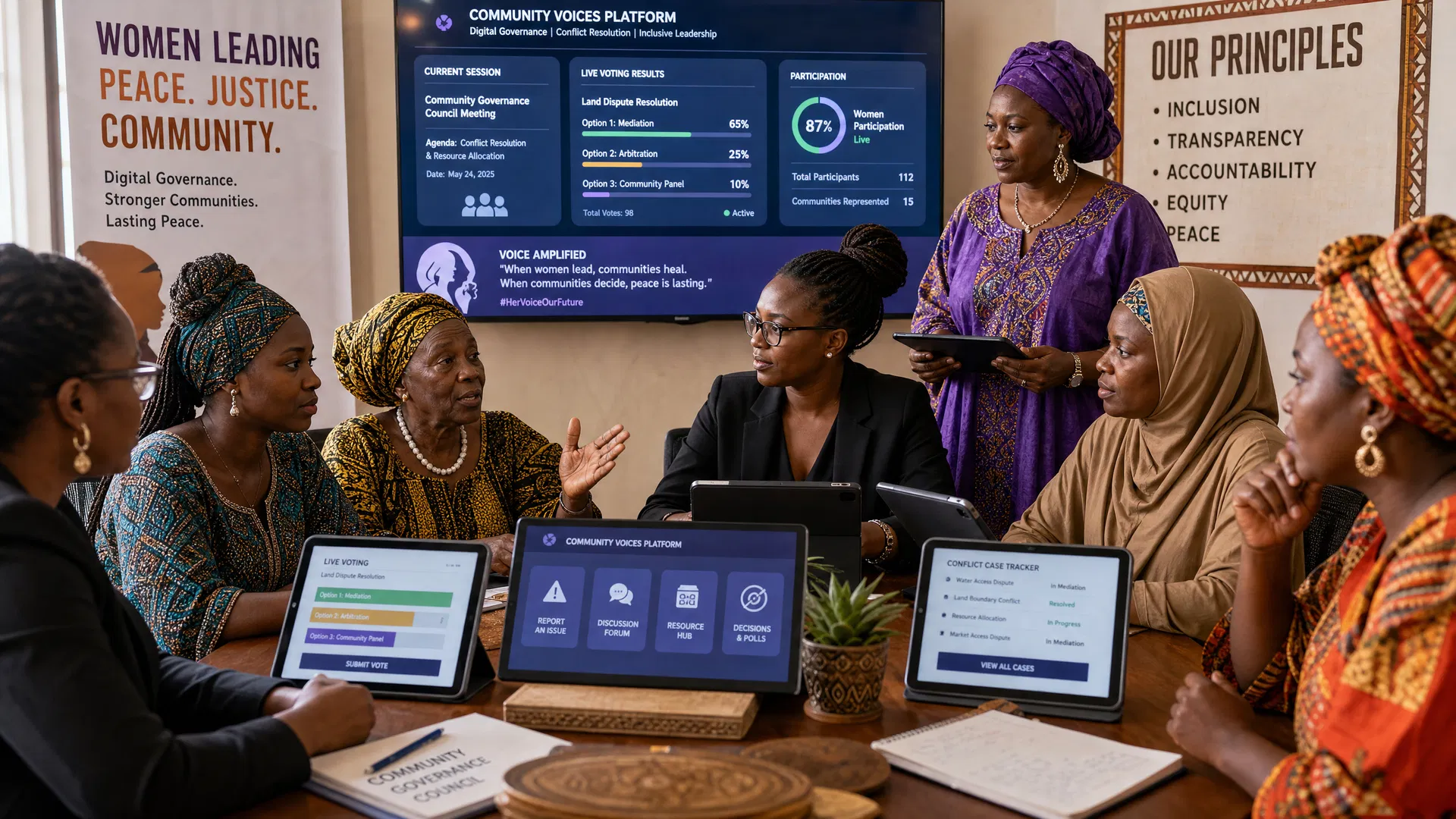
The significance of women in blockchain extends beyond mere participation; female blockchain leaders are actively influencing policy decisions, entrepreneurship, and education. In countries such as Nigeria, Kenya, and South Africa, women-led blockchain startups are receiving increased attention from both institutional investors and regulatory bodies. These leaders are not only pioneering innovative solutions but are also addressing systemic gender disparities in access to technology and finance. Their contributions underscore the critical role gender diversity blockchain initiatives play in creating equitable economic opportunities across Pan-Africa.
Gender Diversity and Its Impact on Blockchain Innovation
Gender diversity within the blockchain sector is more than a social imperative; it is a strategic asset driving competitive advantage and innovation. Research from the African Development Bank shows that companies with diverse leadership teams, including gender diversity blockchain representation, are 15% more likely to outperform their peers in revenue growth. This is particularly relevant in Africa’s digital finance domain, where nuanced understanding of community needs can lead to more inclusive and effective blockchain applications.
Women bring unique perspectives to the development of blockchain solutions, often emphasizing transparency, security, and user-centric design. This focus aligns well with Africa’s need for trustworthy digital financial services, especially in underserved rural regions. Female blockchain leaders have been instrumental in advancing tokenization projects that democratize access to assets such as real estate, agriculture, and art. By integrating gender diversity blockchain principles, these initiatives enhance market participation and stimulate local economies, contributing to broader socioeconomic development.
Key Trends Empowering Women in Blockchain Across Africa
Several trends are catalyzing the rise of women in blockchain within Africa’s digital economy. First, targeted educational programs and incubators are equipping women with essential blockchain skills. Initiatives like the Blockchain Women Africa Network and SheLeadsTech have collectively trained over 5,000 women across the continent in blockchain development and entrepreneurship since 2020. These programs help bridge the digital skills gap and empower women to launch and scale blockchain ventures.
Second, increasing access to capital is enabling female blockchain leaders to innovate at scale. Pan-African venture capital firms are progressively recognizing the value of investing in women-led blockchain startups, with funding for such enterprises growing by an estimated 40% year-on-year. This influx of capital not only supports business growth but also signals a shift toward greater institutional confidence in gender-diverse leadership. Moreover, regulatory frameworks are gradually adapting to facilitate women’s participation, with countries like Ghana and Rwanda implementing policies that encourage gender equity in tech-driven sectors.
Women’s Role in Africa’s Digital Finance Transformation
Africa’s digital finance revolution is intricately linked to blockchain technology, which offers scalable solutions for financial inclusion, transparency, and efficiency. Women in blockchain are at the forefront of this transformation, developing platforms that provide secure digital wallets, decentralized lending, and cross-border payments tailored to the needs of marginalized populations. For example, Kenyan startup BitPesa, co-founded by a female entrepreneur, leverages blockchain to streamline international remittances, reducing costs and transaction times significantly.
The empowerment of women in Africa blockchain economy also enhances trust and adoption of digital financial services. Surveys reveal that women are more likely to use digital finance platforms that demonstrate reliability and social impact, qualities often embedded in blockchain solutions designed by female leaders. Additionally, women-led blockchain projects frequently prioritize community engagement and education, addressing barriers such as digital literacy and cultural norms that limit financial access for women and girls.
Challenges and Opportunities in Scaling Female-Led Blockchain Initiatives
Despite promising growth, women in Africa’s blockchain economy face persistent challenges that impede full participation. Access to funding remains uneven, with female entrepreneurs often encountering bias and limited networks compared to their male counterparts. Infrastructure gaps, including inconsistent internet connectivity and energy supply, disproportionately affect women in rural areas, restricting their ability to engage with blockchain technologies. Furthermore, regulatory uncertainty in many African jurisdictions complicates efforts to establish compliant, scalable blockchain solutions.
Nevertheless, these challenges present strategic opportunities for policymakers and investors to foster an enabling environment. Strengthening digital infrastructure and implementing gender-responsive regulations can accelerate the integration of women into the blockchain economy. Public-private partnerships that support mentorship, funding, and capacity-building programs for female blockchain leaders will be crucial. By addressing these barriers, Africa can unlock the full potential of gender diversity blockchain initiatives to drive equitable economic growth and innovation.
Looking Ahead: Building Inclusive Digital Infrastructure for Africa’s Blockchain Future
As Africa continues to harness blockchain and tokenization technologies to transform its digital economy, the role of women in blockchain will be increasingly vital. Investing in gender-inclusive digital infrastructure not only supports women-led initiatives but also ensures that blockchain solutions are reflective of the continent’s diverse needs. Institutional investors and policymakers have a responsibility to champion frameworks that promote gender equity, enhance digital literacy, and facilitate access to capital and markets.
Future opportunities lie in expanding interoperable blockchain systems that integrate with existing financial services, enabling women entrepreneurs to scale their impact across borders. Additionally, the tokenization of assets offers innovative pathways for women-led businesses to access liquidity and participate in global markets. By fostering an ecosystem that values and supports women in blockchain, Africa can accelerate its digital finance transformation and position itself as a global leader in inclusive blockchain innovation.