Introduction: The Intersection of Data Privacy and Digital Finance in Kenya
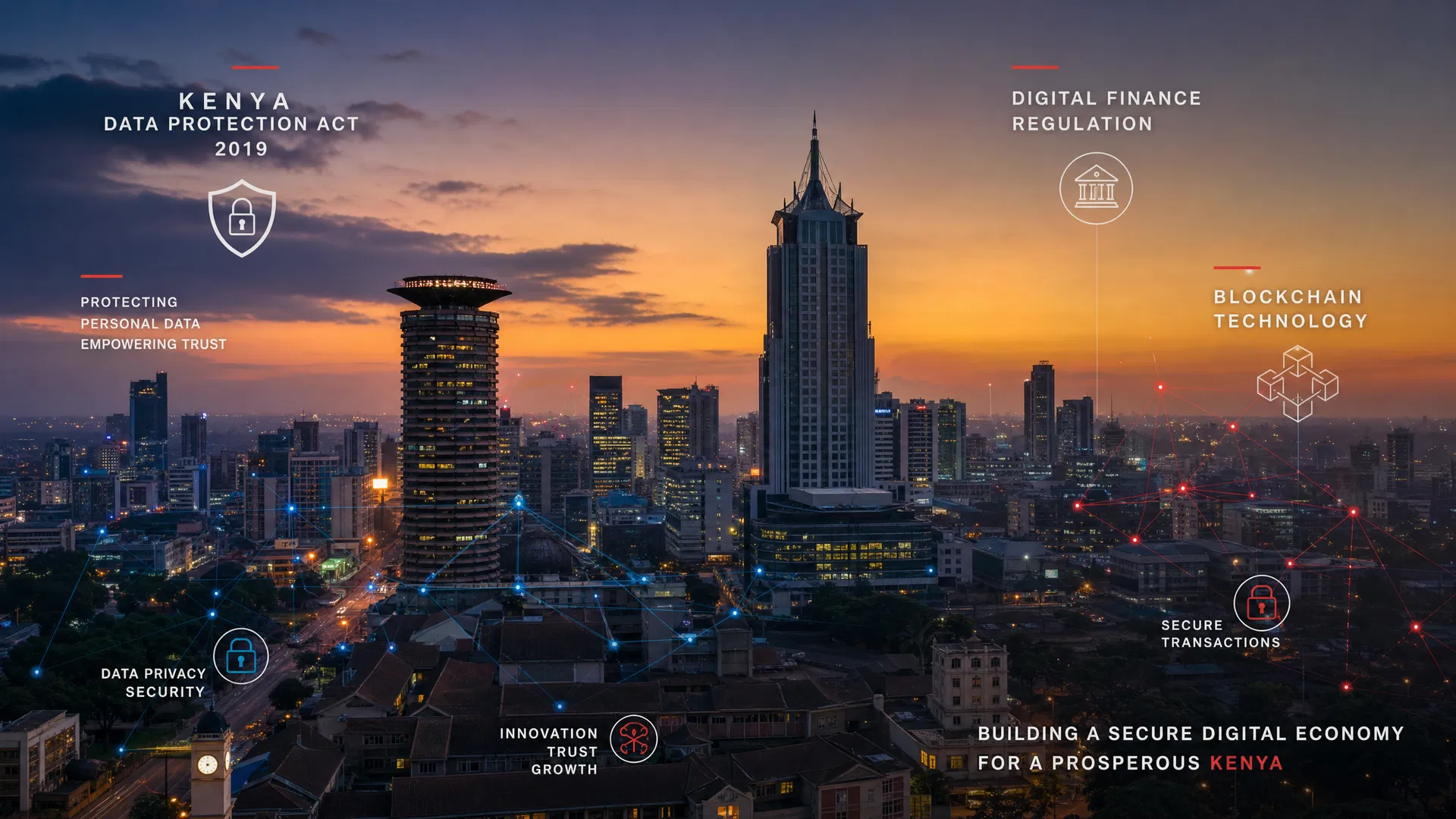
As Africa's digital economy continues to expand at an unprecedented rate, the regulatory frameworks governing data privacy and digital assets are evolving to meet the demands of a modern financial ecosystem. Kenya, a pioneer in mobile money and digital finance, took a significant step forward with the enactment of the Data Protection Act (DPA) in 2019. For institutional investors, policymakers, and fintech operators, understanding the nuances of this legislation is critical, particularly as the continent moves toward sovereign digital asset infrastructure, tokenization, and Central Bank Digital Currencies (CBDCs). AfriVest, at the forefront of building Africa's digital asset infrastructure, recognizes that robust data protection is not merely a compliance exercise but a foundational element for building trust in digital finance.
The Kenya DPA 2019, which came into force on November 25, 2019, aligns with global standards such as the General Data Protection Regulation (GDPR) while addressing the unique context of Kenya's digital landscape. As platforms like AfriVest integrate international standards—including ISO 20022, FATF guidelines, and IMF CBDC frameworks—with regional laws like the DPA, a comprehensive understanding of these regulations becomes indispensable. This article explores the regulatory background, key provisions, compliance implications, and enforcement mechanisms of the Kenya DPA 2019, offering strategic insights for digital asset platforms operating in the region.
Regulatory Background and the Drive for Data Sovereignty
The journey toward comprehensive data protection in Kenya was driven by the rapid digitization of financial services and the constitutional mandate to protect the right to privacy under Article 31 of the Constitution of Kenya. Prior to 2019, data protection was fragmented across various sectoral laws, creating regulatory uncertainty for fintechs and digital asset platforms. The enactment of the DPA 2019 consolidated these efforts, establishing a unified framework for the processing of personal data.
The DPA 2019 was designed to balance the need for innovation in digital finance with the imperative of consumer protection. It established the Office of the Data Protection Commissioner (ODPC), an independent regulatory body tasked with overseeing compliance, registration, and enforcement. For platforms involved in tokenization and digital identity, the DPA provides a clear mandate: personal data must be processed lawfully, fairly, and transparently. This regulatory clarity is essential for AfriVest and similar platforms as they build infrastructure that supports stablecoins, financial inclusion, and cross-border transactions, ensuring that data sovereignty is maintained while facilitating regional harmonization under frameworks like the Malabo Convention.
Key Provisions Impacting Digital Asset Platforms
The Kenya DPA 2019 introduces several key provisions that directly impact how digital asset platforms collect, store, and process personal data. Understanding these provisions is crucial for platforms dealing with sensitive financial information and digital identities.
Firstly, the Act mandates the registration of data controllers and data processors with the ODPC. Digital asset platforms, which inherently process vast amounts of personal and financial data, must register and demonstrate compliance with the Act's principles. Secondly, the DPA emphasizes the principle of data minimization, requiring that only data necessary for a specific purpose be collected. In the context of tokenization and CBDCs, where transaction histories and identity verification are integral, platforms must carefully design their systems to collect only essential data.
Furthermore, the Act grants data subjects significant rights, including the right to access, correct, and delete their personal data. For platforms utilizing blockchain technology, where data immutability is a core feature, reconciling these rights with technical realities presents a unique challenge. Platforms must implement privacy-by-design principles, ensuring that personal data is anonymized or pseudonymized where possible, and that mechanisms for data deletion or correction are built into the infrastructure. Additionally, the DPA imposes strict requirements for cross-border data transfers, stipulating that personal data can only be transferred outside Kenya if the destination country offers adequate data protection safeguards, a critical consideration for pan-African platforms like AfriVest.
Compliance Implications for Tokenization and CBDCs
The compliance implications of the Kenya DPA 2019 extend deeply into the operational and technical architectures of digital asset platforms. For initiatives involving tokenization and CBDCs, compliance is not a bolt-on feature but a core architectural requirement.
Platforms must conduct Data Protection Impact Assessments (DPIAs) prior to launching new products or services that involve the processing of personal data, particularly when using new technologies like distributed ledgers. A DPIA helps identify and mitigate privacy risks, ensuring that the platform's design aligns with regulatory expectations. Moreover, the integration of digital identity solutions—a cornerstone of AfriVest's infrastructure—must be executed with stringent security measures to prevent unauthorized access or data breaches.
Compliance also requires robust consent management mechanisms. Digital asset platforms must obtain explicit, informed consent from users before processing their data, and this consent must be easily withdrawable. In the realm of decentralized finance (DeFi) and cooperatives, where governance structures may be distributed, establishing clear lines of accountability for data processing is essential. Platforms must ensure that their smart contracts and decentralized applications (dApps) are audited not only for security vulnerabilities but also for data privacy compliance, aligning with both the DPA and international frameworks like IOSCO and FSB guidelines.
Enforcement Mechanisms and Regulatory Oversight
The enforcement mechanisms established by the Kenya DPA 2019 underscore the seriousness with which data privacy is treated in the jurisdiction. The ODPC is equipped with significant investigative and punitive powers to ensure compliance and address breaches.
In the event of a data breach, data controllers are required to notify the ODPC within 72 hours of becoming aware of the breach, and to inform affected data subjects if the breach poses a high risk to their rights and freedoms. Failure to comply with the DPA can result in substantial penalties. The ODPC can issue enforcement notices, penalty notices, and administrative fines of up to 5 million Kenyan Shillings or 1% of an enterprise's annual turnover, whichever is higher.
For digital asset platforms, the reputational damage associated with a data breach or regulatory non-compliance can be far more detrimental than financial penalties. Institutional investors and policymakers demand high standards of governance and risk management. Therefore, platforms must implement comprehensive data security policies, conduct regular audits, and maintain open lines of communication with the ODPC. Proactive engagement with regulators not only mitigates compliance risks but also fosters a collaborative environment for innovation in the digital finance sector.
Conclusion: Building Trust in Africa's Digital Economy
As Africa accelerates its transition toward a digital-first economy, the intersection of data protection and digital finance will define the trajectory of the continent's financial infrastructure. Kenya's Data Protection Act 2019 serves as a foundational pillar in this evolution, providing a robust framework that balances innovation with consumer protection. For platforms like AfriVest, which are building the sovereign digital asset infrastructure of the future, compliance with the DPA is a strategic imperative that builds trust among institutional investors, policymakers, and users.
Looking forward, the harmonization of data protection laws across the continent—from POPIA in South Africa to the NDPA in Nigeria and the DPA in Ghana—will be critical for facilitating cross-border digital finance and realizing the vision of a unified African digital economy. By embedding privacy-by-design principles into tokenization, CBDC infrastructure, and digital identity solutions, digital asset platforms can not only navigate the complex regulatory landscape but also drive sustainable, inclusive financial growth across Africa. The commitment to data protection is, ultimately, a commitment to the integrity and resilience of Africa's digital future.