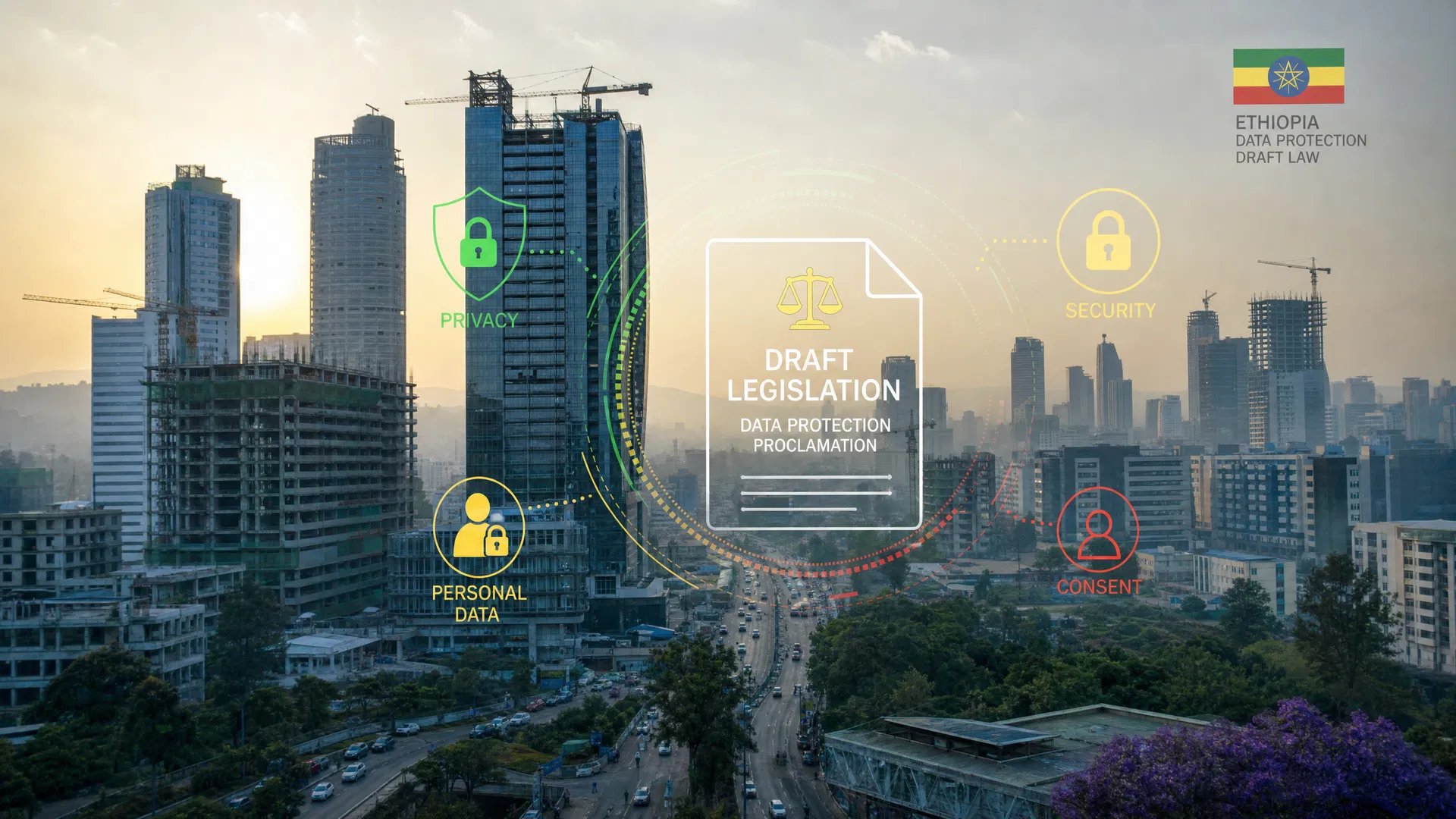

# Rwanda's Personal Data Protection Law: A Model for East African Digital Governance
The rapid digitization of Africa's financial landscape has necessitated robust regulatory frameworks to safeguard personal information while fostering innovation. At the forefront of this movement is Rwanda, a nation that has consistently demonstrated its commitment to becoming a premier technology hub on the continent. The enactment of Law No. 058/2021 of 13/10/2021 relating to the protection of personal data and privacy marks a significant milestone in this journey. For platforms like AfriVest, which are building Africa's sovereign digital asset infrastructure, understanding and integrating the provisions of this law is not merely a compliance exercise but a strategic imperative. This legislation, heavily influenced by international standards such as the General Data Protection Regulation (GDPR) and regional frameworks like the Malabo Convention, establishes a comprehensive regime that balances the rights of individuals with the operational realities of modern digital enterprises.
Rwanda's approach to data protection is characterized by its extraterritorial scope, a feature that aligns it with the most progressive global standards. The law applies not only to data controllers and processors established within Rwanda but also to those located outside its borders who process the personal data of individuals residing in the country. This expansive jurisdiction ensures that international digital asset platforms, fintech operators, and institutional investors engaging with the Rwandan market are held to the same rigorous standards as domestic entities. The legislation is overseen by the National Cyber Security Authority (NCSA), which serves as the supervisory authority responsible for enforcement, guidance, and the issuance of necessary certifications.
Key Provisions and Extraterritorial Scope
A defining characteristic of Law No. 058/2021 is its broad applicability and the stringent obligations it places on both data controllers and processors. Unlike older regulatory models that primarily targeted entities with a physical presence or equipment within a jurisdiction, Rwanda's law adopts an extraterritorial approach. This means that any platform processing the data of individuals located in Rwanda, regardless of the platform's geographical base, falls under the purview of the NCSA. For digital asset infrastructure providers, this necessitates a comprehensive review of data flows and processing activities to ensure alignment with Rwandan requirements.
The law establishes eight lawful bases for processing personal data, including consent, contractual necessity, legal obligation, and legitimate interest. Notably, Rwanda is among the African jurisdictions that permit data processing based on the legitimate interest of the controller, providing a degree of flexibility that is crucial for complex financial operations. However, this flexibility is counterbalanced by strict requirements for consent, which must be obtained on an opt-in basis and for specified purposes. Furthermore, the legislation mandates the appointment of a Data Protection Officer (DPO) for entities whose core activities involve large-scale processing of personal data or sensitive information, a requirement that directly impacts platforms handling financial transactions and digital identities.
Compliance Implications for Digital Asset Platforms
For platforms operating in the digital asset space, such as those facilitating tokenization, Central Bank Digital Currency (CBDC) infrastructure, and stablecoin issuance, the compliance implications of Rwanda's data protection law are profound. The legislation imposes rigorous requirements for data localization and cross-border transfers. Article 50 explicitly requires that all personal data be stored within Rwanda, unless the entity has obtained a specific registration certificate from the NCSA authorizing the storage of data abroad. This provision requires digital asset platforms to carefully architect their data storage solutions, potentially necessitating the establishment of local data centers or the procurement of appropriate authorizations for cloud-based infrastructure.
Moreover, the law mandates that controllers and processors maintain detailed records of their processing activities, including collection, alteration, access, disclosure, and erasure. This requirement aligns with international best practices but demands robust internal governance and technological capabilities. Digital asset platforms must implement systems capable of tracking and logging data flows with high granularity, ensuring that they can demonstrate compliance upon request by the NCSA. Additionally, the legislation requires the conduct of Data Protection Impact Assessments (DPIAs) for processing activities likely to result in high risks to the rights and freedoms of individuals, a category that undoubtedly encompasses the processing of financial data and digital identities.
Enforcement Mechanisms and Breach Notification
The enforcement mechanisms embedded within Law No. 058/2021 are designed to ensure strict adherence and deter non-compliance. The NCSA is empowered to levy significant administrative and criminal sanctions against entities that fail to meet their obligations. Administrative fines can reach up to 1% of the global turnover of the preceding financial year, while criminal fines can escalate to 5% of the annual turnover. Furthermore, the law provides for severe penalties, including up to 10 years of imprisonment and the cancellation of registration certificates, which would effectively bar an entity from processing personal data in Rwanda.
A critical component of the enforcement regime is the stringent breach notification requirement. Article 43 mandates that data processors inform controllers of a data breach within 48 hours of discovery. Subsequently, controllers are required to notify the NCSA within 48 hours of becoming aware of the breach. If the breach poses a high risk to the rights and freedoms of data subjects, the controller must also communicate the incident to the affected individuals. This rapid notification timeline, which is stricter than the 72-hour window mandated by the GDPR, requires digital asset platforms to maintain highly responsive incident management and cybersecurity protocols.
Preparing for the Future of African Digital Governance
As Africa continues to build its sovereign digital economy, Rwanda's Personal Data Protection Law serves as a critical benchmark for regulatory harmonization across the continent. For platforms like AfriVest, aligning with this legislation is a foundational step in building trust with institutional investors, policymakers, and the broader public. The law's emphasis on accountability, transparency, and the rights of data subjects resonates with the core principles of decentralized finance and digital identity systems. By proactively integrating these requirements into their operational frameworks, digital asset platforms can not only mitigate regulatory risks but also position themselves as leaders in the responsible development of Africa's financial infrastructure.
The transition period for compliance with Law No. 058/2021 concluded in October 2023, signaling the beginning of active enforcement by the NCSA. Digital asset platforms must ensure that their data processing agreements, privacy policies, and technical safeguards are fully compliant. This includes securing necessary authorizations for cross-border data transfers, appointing qualified DPOs, and establishing robust mechanisms for responding to data subject requests. As the regulatory landscape across Africa continues to evolve, with nations like Kenya, Nigeria, and South Africa advancing their own frameworks, Rwanda's comprehensive approach offers a valuable model for navigating the complexities of digital governance in a rapidly interconnected world.