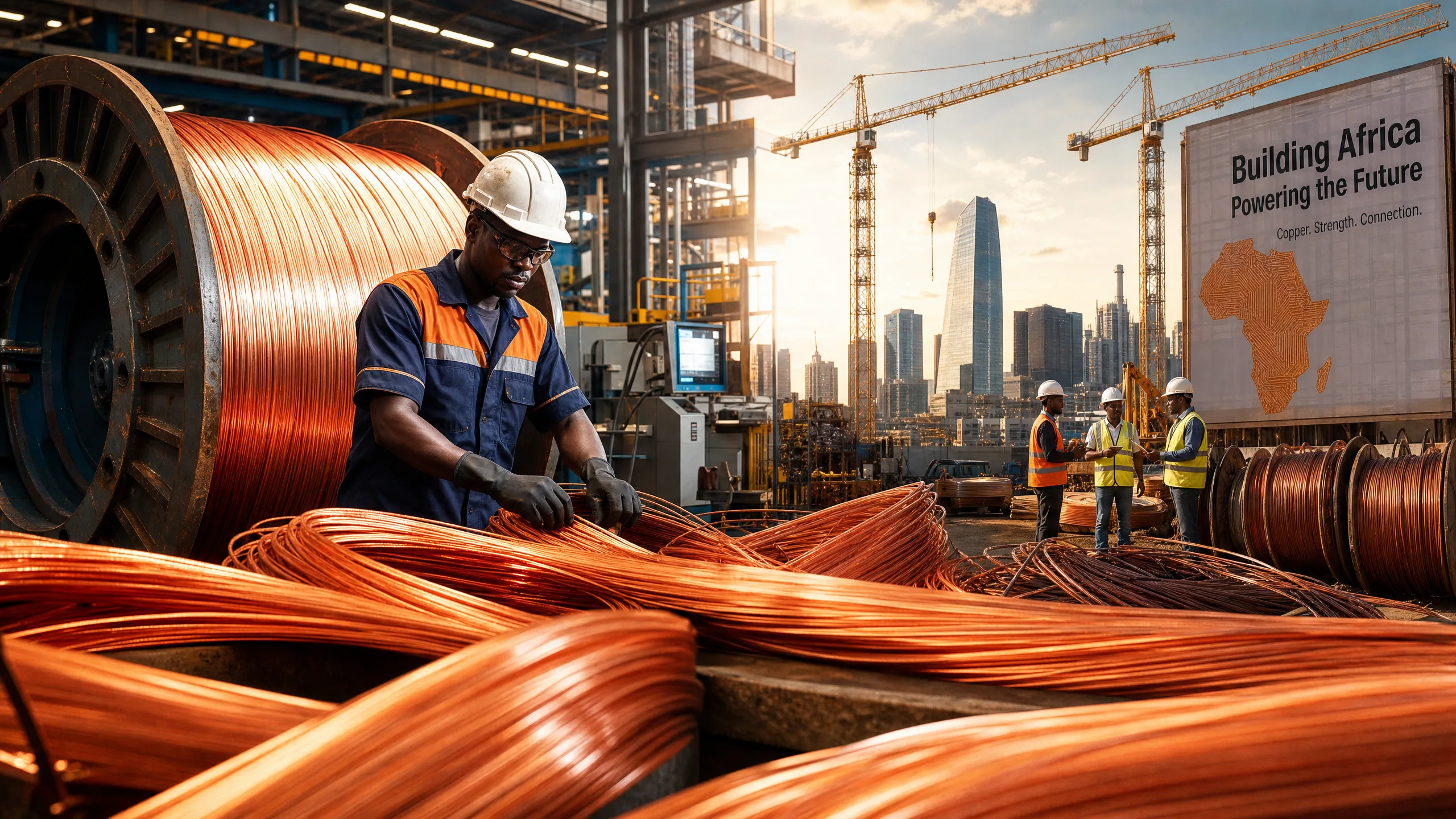
As the global transition toward renewable energy and electrification accelerates, copper has cemented its position as the world's most critical industrial metal. Yet, beyond the global narrative lies a profound continental transformation: Africa's own infrastructure deficit is driving an unprecedented internal demand for copper. With an estimated $12 billion required annually to bridge the continent's power and transport infrastructure gaps, African copper is no longer just an export commodity—it is the foundational building block of the continent's economic future. For institutional investors and policymakers, the intersection of surging domestic copper demand and innovative financing mechanisms presents a generational opportunity to participate in Africa's industrialization.
The Epicenter of Production: The Central African Copperbelt
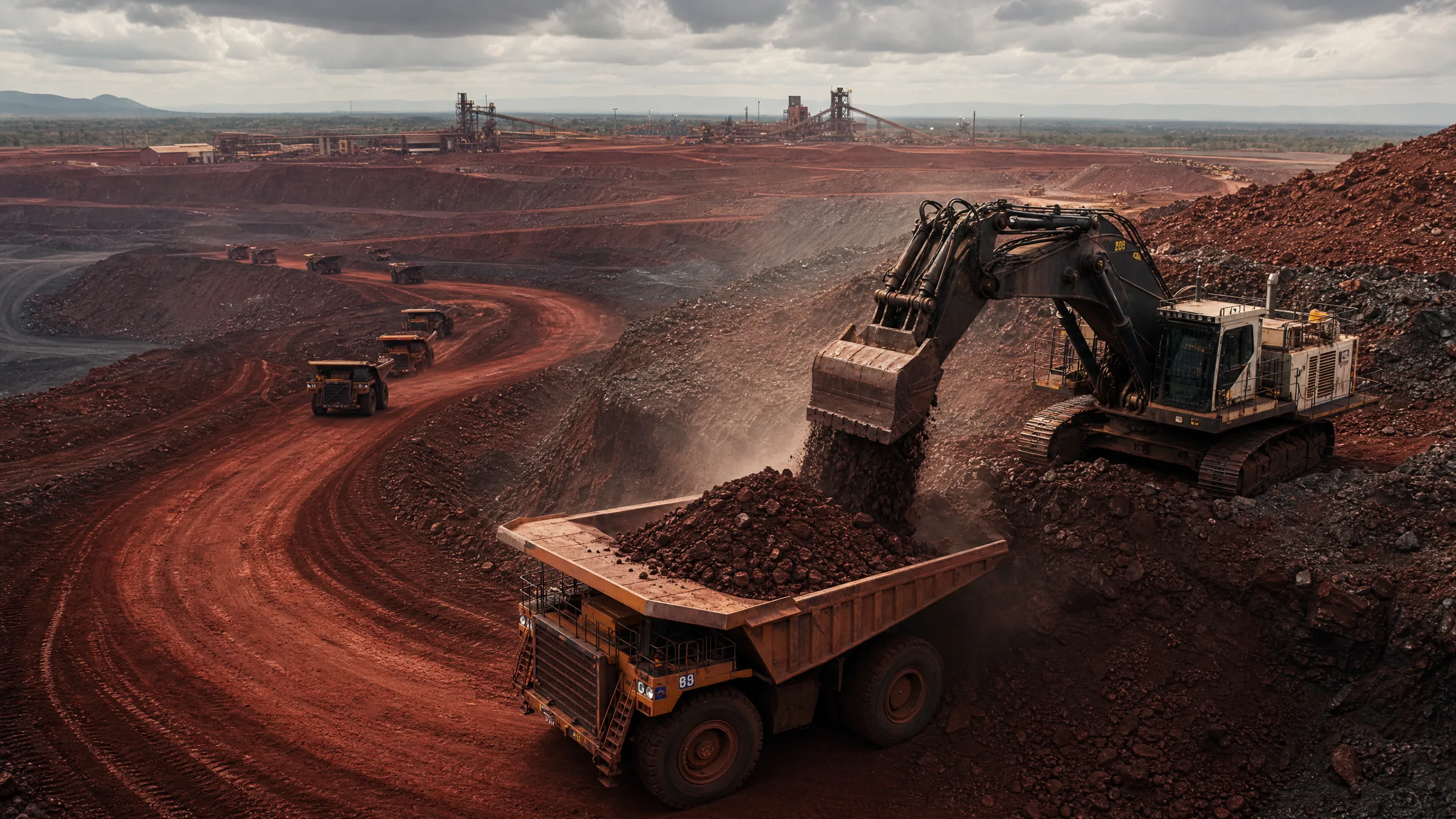
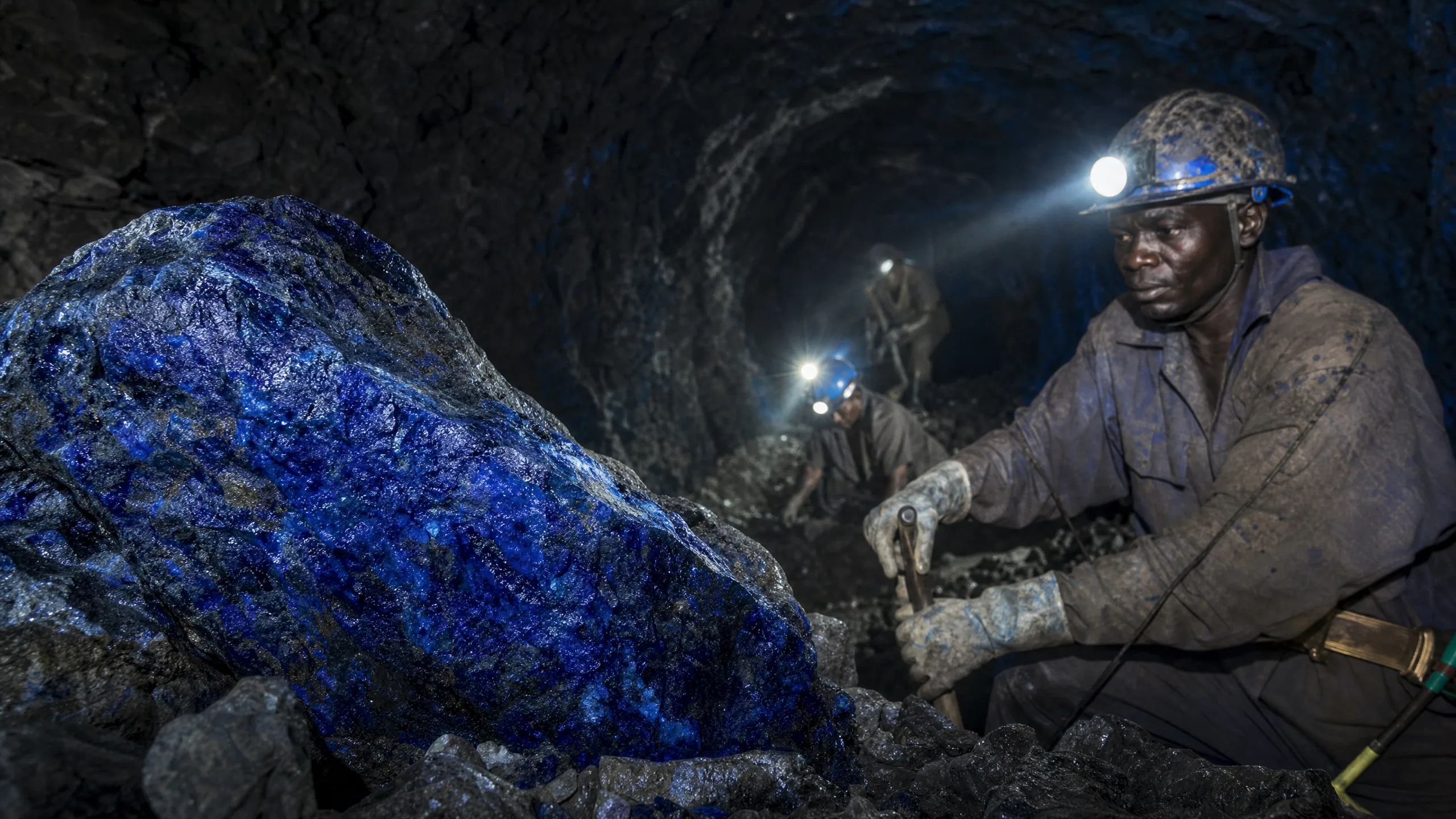
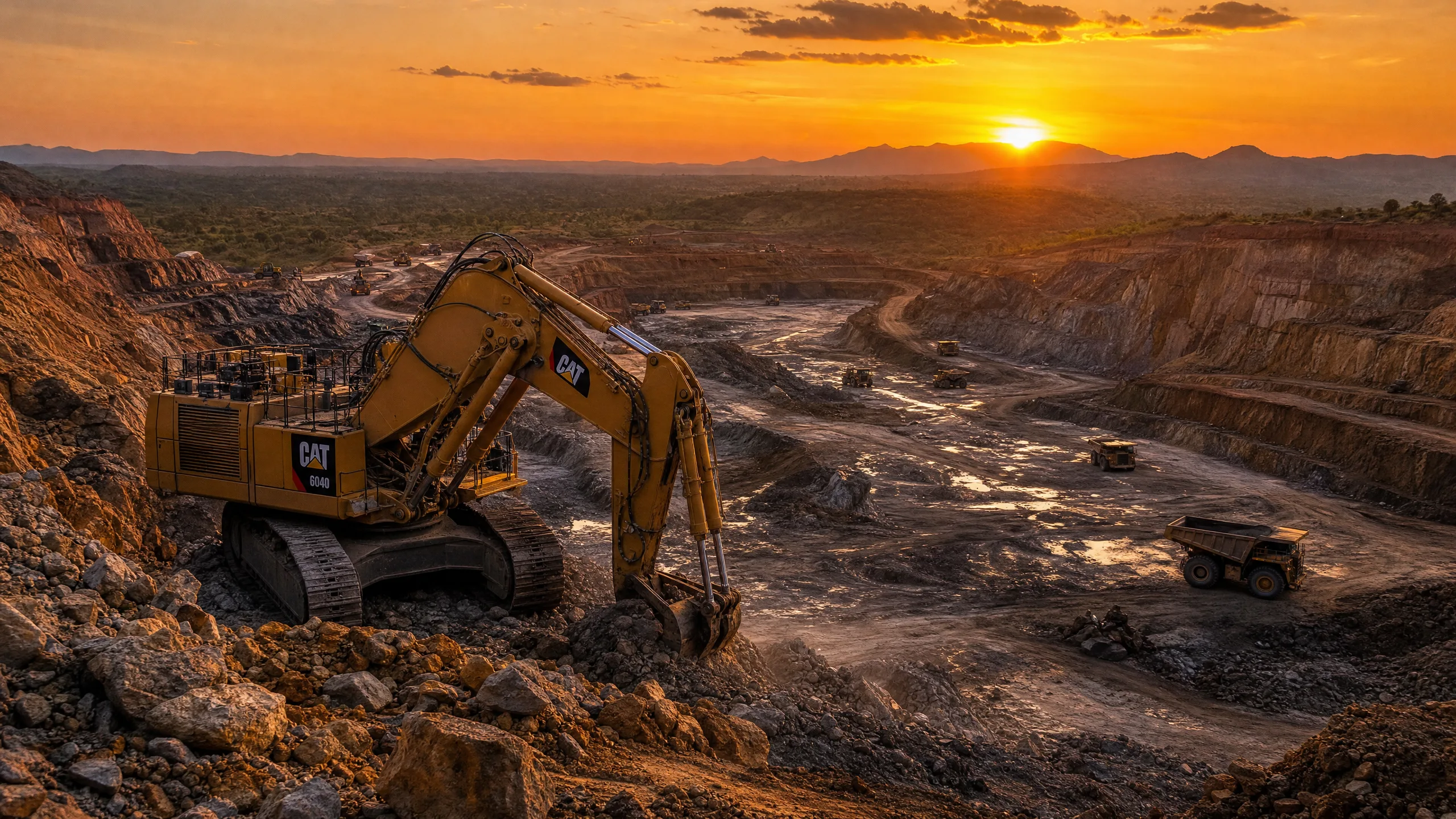
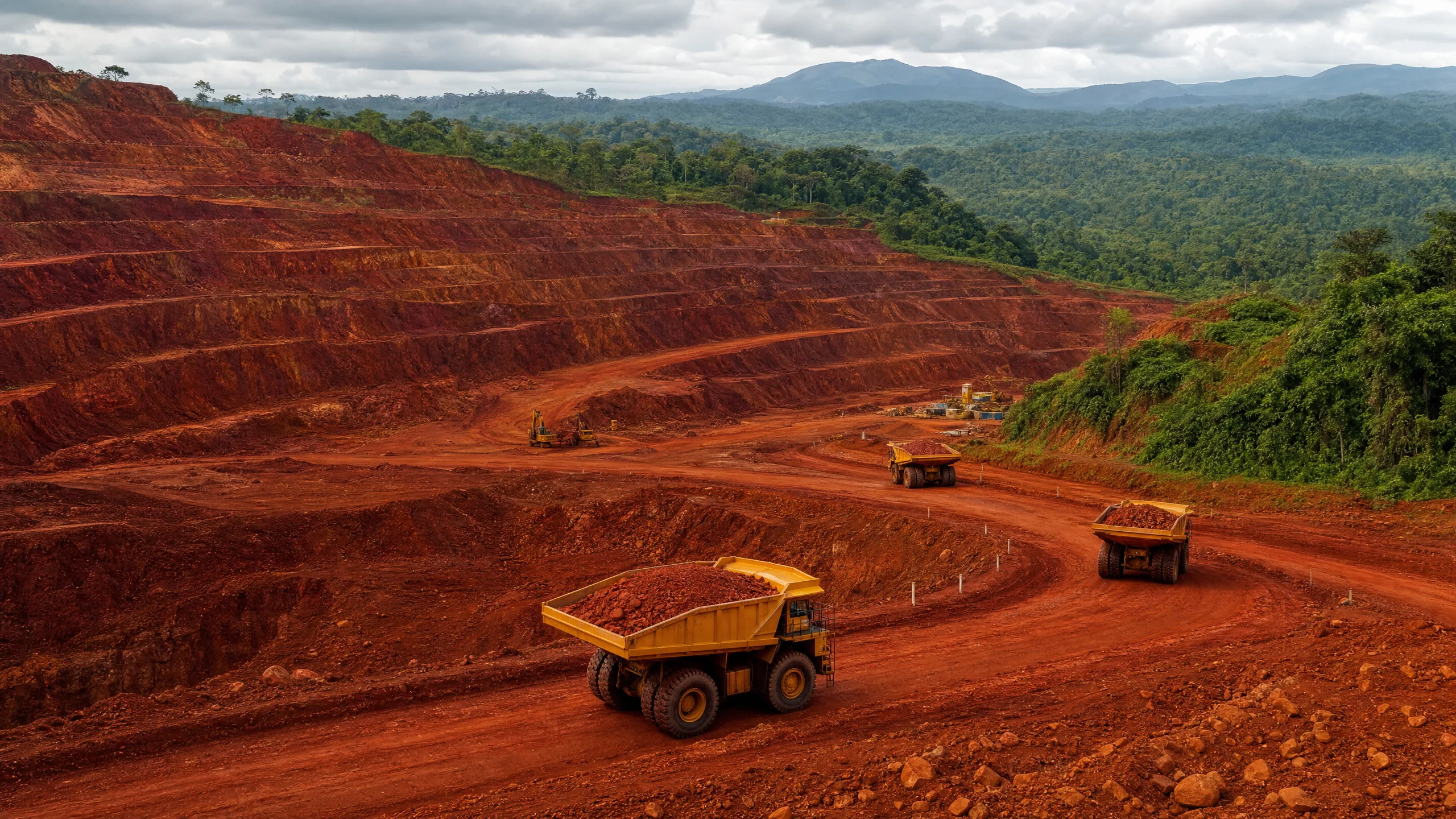
The Central African Copperbelt, spanning the Democratic Republic of Congo (DRC) and Zambia, remains the undisputed powerhouse of continental production. The DRC has recently overtaken Peru to become the world's second-largest copper producer, yielding approximately 2.8 million tonnes in 2023. Mega-projects such as the Kamoa-Kakula Mining Complex—a joint venture between Ivanhoe Mines and Zijin Mining—are setting new global benchmarks for high-grade, low-emission copper extraction. Kamoa-Kakula alone produced nearly 400,000 tonnes of copper in 2023, with expansion plans targeting over 600,000 tonnes annually. Meanwhile, Zambia's Lumwana and Kansanshi mines continue to anchor the nation's economy, contributing over 10% to its GDP. This concentrated production capacity is essential for meeting both international export quotas and the burgeoning domestic requirements for infrastructure development.
Fueling the $12 Billion Infrastructure Imperative
Africa's infrastructure deficit is well-documented, but the material requirements to resolve it are staggering. The African Development Bank estimates that the continent's infrastructure needs amount to $130–$170 billion annually, with a financing gap of up to $108 billion. Within this framework, an estimated $12 billion is directly tied to copper-intensive projects, including power grid expansions, telecommunications networks, and electrified transport corridors. Copper's unparalleled electrical conductivity makes it irreplaceable in the deployment of high-voltage transmission lines and renewable energy microgrids. As nations like Kenya and South Africa aggressively expand their renewable energy capacities, the localized demand for refined copper products is surging, creating a compelling case for intra-African trade and downstream processing facilities.
Overcoming Supply Chain and Investment Bottlenecks
Despite the immense potential, realizing the full value of African copper requires navigating significant structural challenges. Historically, the continent has exported raw or semi-processed ores, capturing only a fraction of the value chain. Furthermore, logistical bottlenecks, such as the congestion at the Port of Durban and the infrastructural limitations of the Dar es Salaam corridor, have hindered efficient export and intra-regional distribution. However, strategic initiatives are underway to mitigate these issues. The development of the Lobito Corridor—a multi-billion-dollar railway project connecting the Copperbelt to the Angolan coast, backed by the US and EU—promises to slash transit times and reduce logistics costs by up to 30%. Such infrastructural upgrades are critical for de-risking mining investment and ensuring a reliable supply of copper for continental projects.
The Role of Foreign Direct Investment and ESG Compliance
The scale of capital required to expand Africa's copper production necessitates robust foreign direct investment (FDI). Global mining conglomerates and sovereign wealth funds are increasingly recognizing the strategic imperative of securing copper assets. However, modern mining investment is inextricably linked to Environmental, Social, and Governance (ESG) standards. Investors are demanding transparency, sustainable extraction methods, and equitable community engagement. Mines operating in the Copperbelt are pioneering green mining technologies, utilizing hydroelectric power to minimize their carbon footprints. By adhering to stringent ESG criteria, African copper projects can attract premium valuations and secure financing from institutional investors who are mandated to support sustainable development goals.
Conclusion: Digitizing the Future of African Copper
The trajectory of African copper is intrinsically linked to the continent's broader economic renaissance. As the $12 billion demand for infrastructure development materializes, the traditional models of mining finance are evolving. This is where the digitization of real-world assets offers a transformative solution. Platforms like AfriVest are pioneering the tokenization of mining assets, democratizing access to high-yield infrastructure and commodity investments. By converting physical copper reserves and infrastructure projects into digital tokens, AfriVest provides institutional and retail investors with unprecedented liquidity, transparency, and fractional ownership opportunities. The fusion of Africa's vast copper wealth with cutting-edge financial technology not only accelerates infrastructure development but also ensures that the economic dividends of this boom are broadly and equitably shared.