The global steel industry is undergoing a seismic shift, and the epicenter of this transformation lies deep within the African continent. As the world races toward urbanization and green infrastructure, the demand for high-grade iron ore has never been more critical. Africa, holding an estimated 12 billion tonnes of untapped iron ore reserves, is stepping up to meet this challenge. This staggering resource wealth is not just a boon for traditional mining; it represents a generational opportunity to digitize and tokenize real-world assets, offering institutional investors unprecedented access to the continent's industrial backbone.
The Simandou Megaproject: A $23 Billion Game Changer
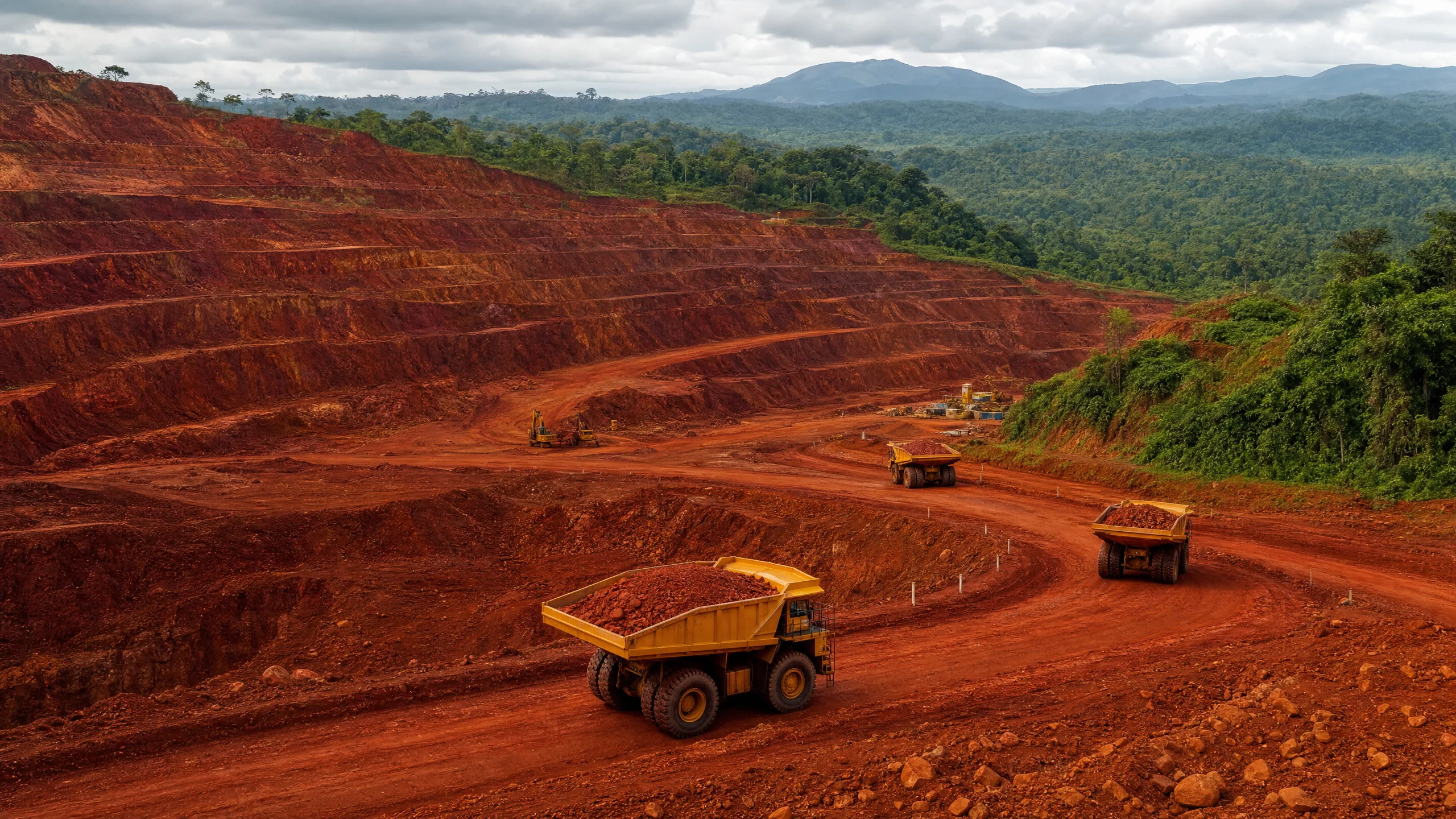
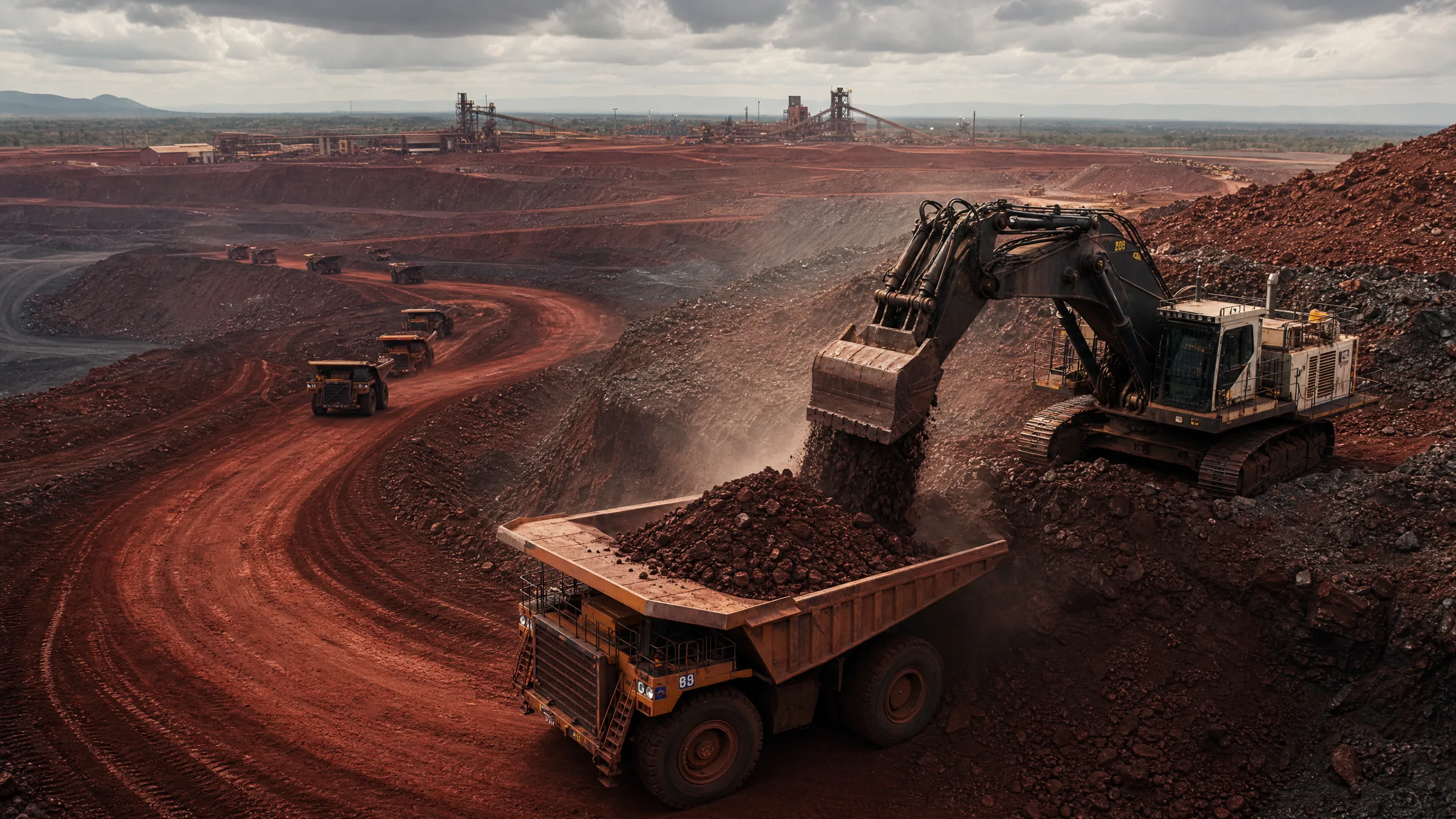
At the heart of Africa's iron ore renaissance is the Simandou mountain range in the Republic of Guinea. Recognized as the world's largest undeveloped high-grade iron ore deposit, Simandou is a $23 billion capital-intensive megaproject that is set to reshape global supply chains. With an estimated 2.8 billion tonnes of high-grade ore (often exceeding 65% iron content), Simandou is uniquely positioned to supply the burgeoning "green steel" market, which requires premium ore to reduce carbon emissions during the smelting process.
The development of Simandou involves a consortium of international giants, including Rio Tinto and the Winning Consortium Simandou, alongside the Guinean government. Beyond the mine itself, the project necessitates the construction of a 600-kilometer trans-Guinean railway and a deep-water port, infrastructure that will unlock broader economic growth and contribute significantly to Guinea's GDP.
Regional Powerhouses: Liberia and South Africa
While Guinea captures the headlines, other African nations are also ramping up production and attracting substantial foreign direct investment. Liberia, a historical player in the iron ore sector, is experiencing a resurgence. ArcelorMittal recently committed an $800 million investment to triple its iron ore production in the country, aiming to reach 15 million tonnes annually. This expansion not only solidifies Liberia's position in the global market but also provides critical employment and infrastructure development.
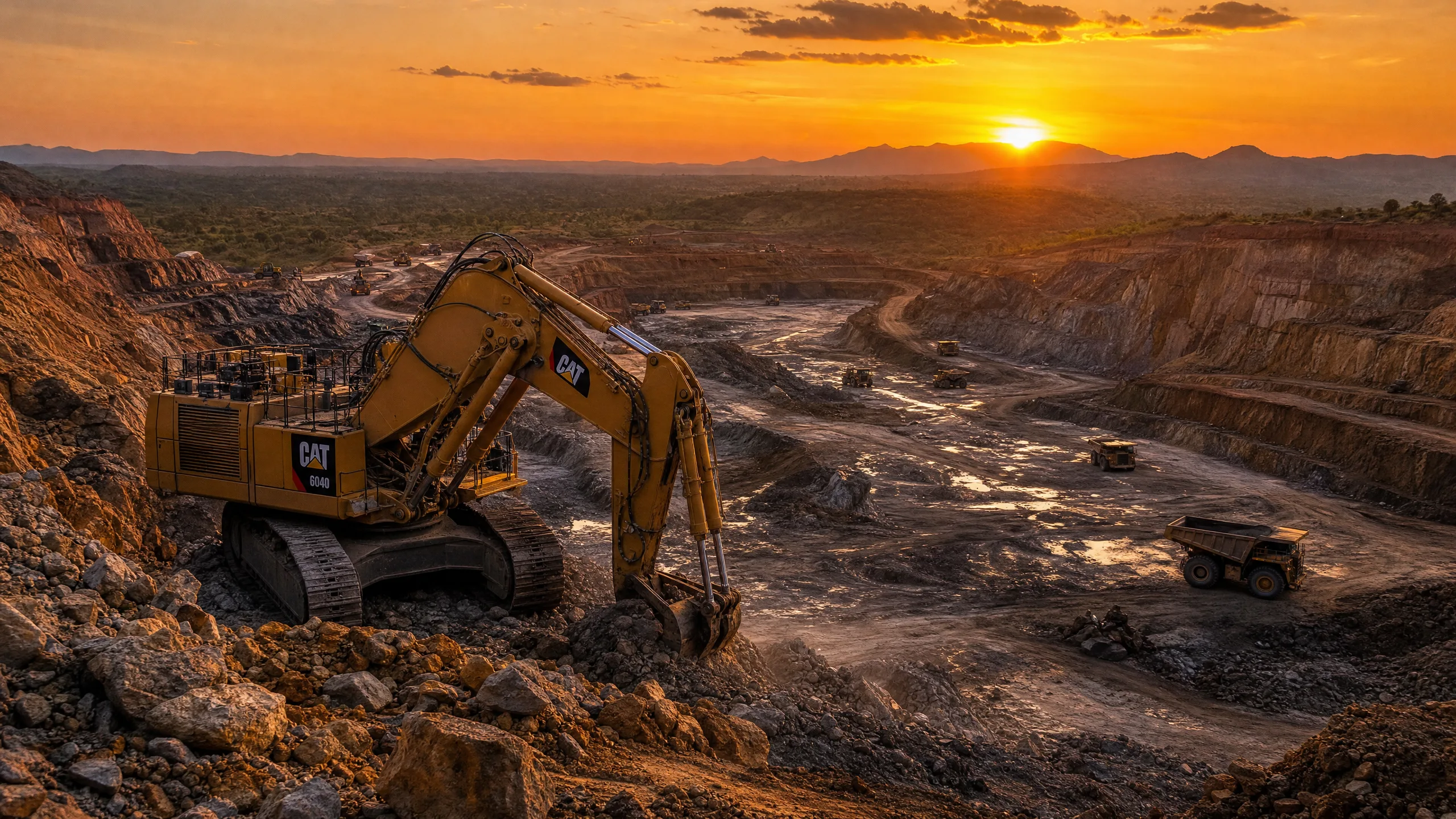
Further south, South Africa remains a dominant force. The Sishen mine in the Northern Cape, operated by Kumba Iron Ore, is one of the largest open-pit mines in the world. South Africa consistently exports over 60 million tonnes of iron ore annually, contributing billions of dollars to the national economy and supporting a robust domestic steel manufacturing sector.
Driving Domestic Industrialization and GDP Growth
The narrative surrounding African iron ore is evolving from mere extraction to value addition. Across the continent, there is a concerted push to turn raw minerals into domestic steel industries, eyeing a potential $425 billion economic boom. By establishing local processing and manufacturing capabilities, African nations can capture a larger share of the value chain, reducing reliance on imported steel for their own infrastructure projects.
This industrialization drive is crucial for GDP growth. In countries like Mauritania, iron ore exports account for a significant portion of total export revenues and GDP. By leveraging these resources to build domestic capacity, African nations can foster economic resilience, create high-skilled jobs, and stimulate secondary industries.
The Future: Digital Infrastructure and Tokenization
As Africa's iron ore sector expands, the integration of digital infrastructure is becoming paramount. The sheer scale of these projects requires advanced logistics, real-time supply chain tracking, and transparent financial mechanisms. This is where the opportunity for asset tokenization emerges.
By digitizing iron ore assets and the associated infrastructure, platforms like AfriVest can offer fractional ownership to a global pool of institutional investors. Tokenization brings liquidity to traditionally illiquid assets, enhances transparency through blockchain technology, and democratizes access to Africa's industrial growth. As the continent continues to fuel the global steel industry, the convergence of hard assets and digital finance will unlock unprecedented value, paving the way for a more inclusive and efficient investment landscape in Africa's mining sector.