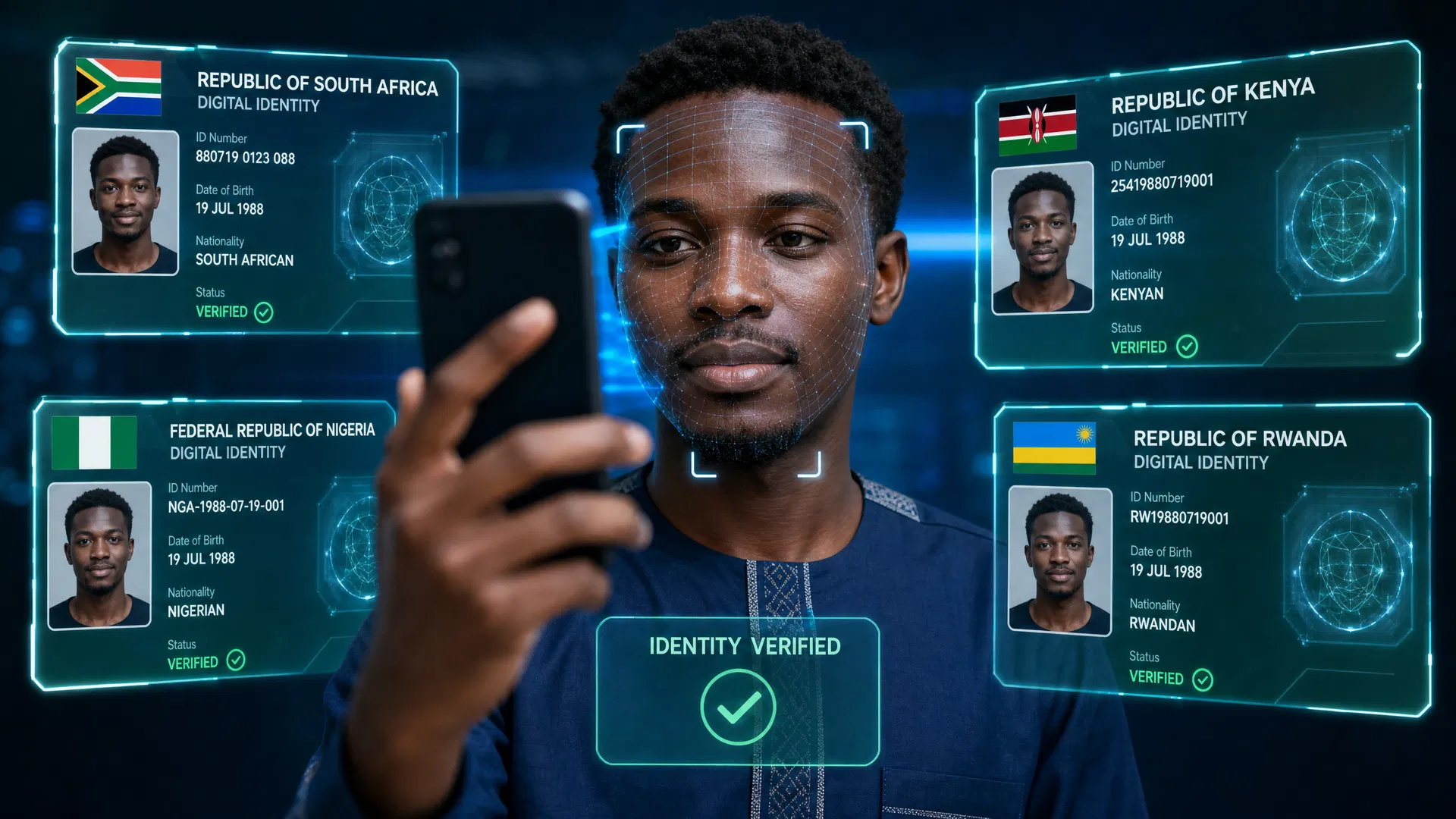

Introduction to POPIA
The Protection of Personal Information Act (POPIA), signed into law in 2013 and fully enforced from July 1, 2021, represents South Africa's comprehensive data protection legislation. Modeled on European data protection principles, POPIA establishes conditions for the lawful processing of personal information and creates the Information Regulator as the supervisory authority. For digital asset platforms operating in or serving South African residents, understanding POPIA's requirements is not merely advisable but legally mandatory.
Key Provisions and Scope
POPIA applies to any entity that processes personal information of South African data subjects, regardless of where the processing occurs. The Act defines eight conditions for lawful processing: accountability, processing limitation, purpose specification, further processing limitation, information quality, openness, security safeguards, and data subject participation. Digital asset service providers must appoint an Information Officer, register with the Information Regulator, and maintain comprehensive records of all processing activities.
The Act's extraterritorial reach means that international platforms serving South African users must comply with POPIA's requirements. Personal information under POPIA extends beyond traditional identifiers to include biometric data, financial information, and online identifiers — all of which are routinely collected by digital asset platforms during onboarding and transaction monitoring.
Compliance Implications for Digital Asset Platforms
Digital asset platforms face unique compliance challenges under POPIA. The collection of Know Your Customer (KYC) data, transaction histories, wallet addresses, and biometric verification data all constitute personal information processing. Platforms must implement privacy by design principles, conduct Privacy Impact Assessments for new products or services, and establish lawful bases for each category of data processing.
Cross-border data transfers require particular attention. POPIA restricts transfers of personal information outside South Africa unless the recipient country provides an adequate level of protection, the data subject consents, or the transfer is necessary for contract performance. Given that many digital asset platforms operate globally with infrastructure distributed across multiple jurisdictions, establishing compliant data transfer mechanisms is essential.
Enforcement and Penalties
The Information Regulator has demonstrated increasing willingness to exercise its enforcement powers. POPIA provides for administrative fines of up to R10 million, criminal penalties including imprisonment of up to 10 years for serious offences, and civil claims for damages by affected data subjects. The Regulator can also issue enforcement notices requiring specific remedial actions within defined timeframes.
In 2023 and 2024, the Information Regulator issued several enforcement notices and conducted investigations into major financial institutions, signaling that the fintech and digital asset sectors are firmly within its regulatory purview. Platforms that fail to register their Information Officers or respond to data subject access requests face immediate regulatory scrutiny.
Security Safeguards and Breach Notification
POPIA requires responsible parties to implement appropriate technical and organizational measures to prevent loss, damage, or unauthorized access to personal information. For digital asset platforms, this encompasses encryption standards, access controls, penetration testing, and secure development practices. The Act also mandates notification to both the Information Regulator and affected data subjects in the event of a data breach that compromises personal information.
The breach notification obligation is particularly relevant for digital asset platforms, which are frequent targets of cyberattacks. Platforms must maintain incident response plans, conduct regular security assessments, and ensure that third-party service providers maintain equivalent security standards through contractual obligations.
Preparing for Compliance
Digital asset platforms seeking to operate compliantly in South Africa should undertake several preparatory steps. First, conduct a comprehensive data mapping exercise to identify all personal information processing activities. Second, review and update privacy policies to ensure transparency about processing purposes, data retention periods, and data subject rights. Third, implement technical measures including encryption, pseudonymization, and access controls proportionate to the sensitivity of data processed.
Platforms should also establish processes for responding to data subject requests within the statutory timeframes, train staff on POPIA obligations, and maintain documentation demonstrating compliance. Engaging with the Information Regulator proactively and participating in industry consultations can also help platforms stay ahead of evolving regulatory expectations.
Conclusion
POPIA represents a mature and comprehensive data protection framework that places South Africa among the leading African jurisdictions in privacy regulation. For digital asset platforms, compliance is both a legal obligation and a competitive advantage, demonstrating commitment to protecting user data in an industry where trust is paramount. As the Information Regulator continues to develop sector-specific guidance and enforcement precedents, platforms that invest early in robust compliance frameworks will be best positioned to operate sustainably in Africa's largest economy.