
The Emergence of Precious Metal-Backed Digital Currencies in East Africa
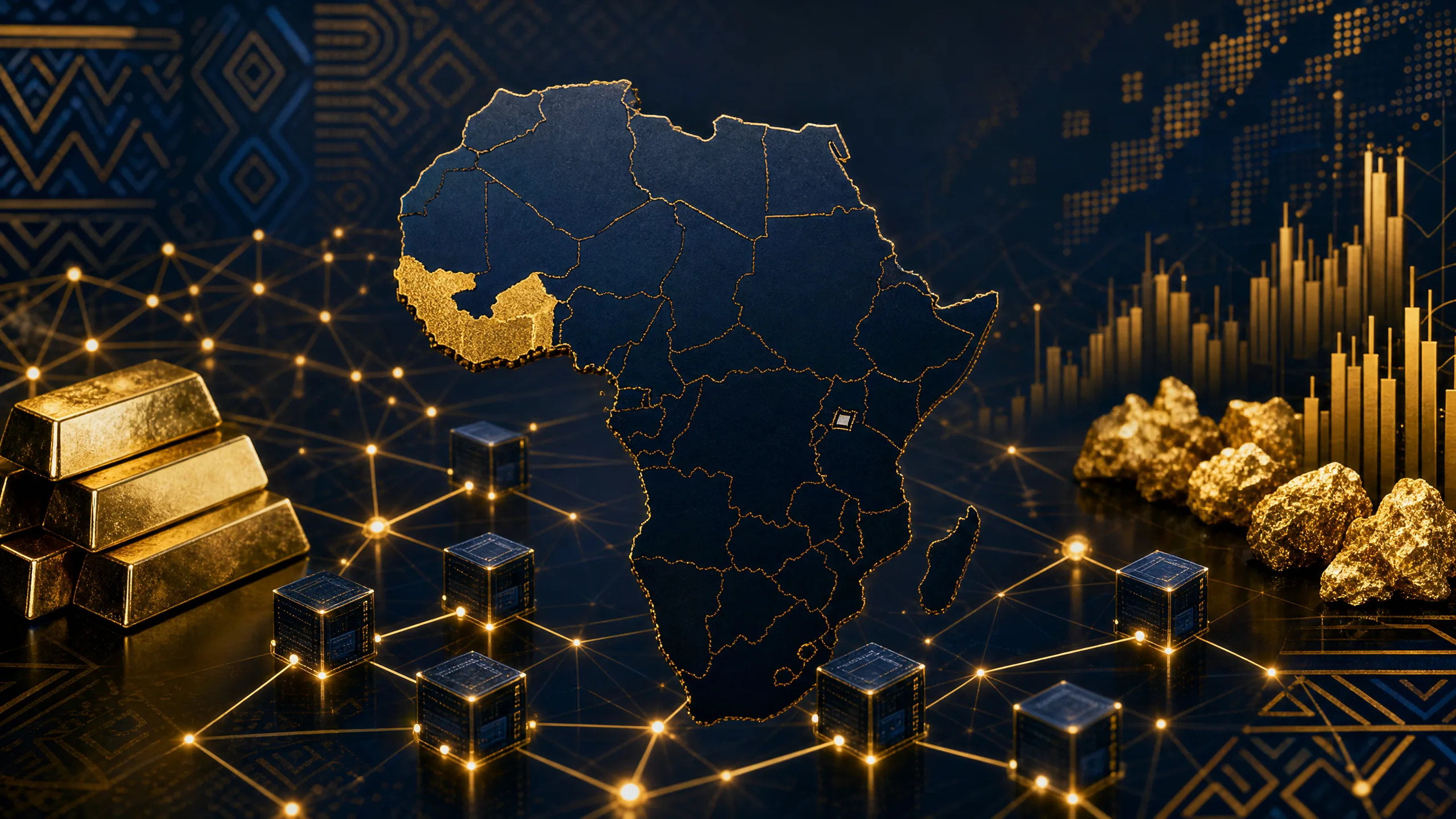
In recent years, East Africa has witnessed a burgeoning interest in digital currencies that are backed by precious metals such as gold and silver. This innovative financial instrument merges traditional asset security with the dynamic advantages of blockchain technology. Precious metal-backed digital currencies offer a stable store of value in a region where conventional fiat currencies often suffer from inflationary pressures and volatility. According to the World Bank, East Africa’s mobile money penetration reached over 60% in 2023, highlighting the region’s readiness to adopt novel digital financial products that enhance financial inclusion.
These digital currencies distinguish themselves by providing tangible asset backing, which mitigates the risks commonly associated with purely speculative cryptocurrencies. For institutional investors and policymakers, this hybrid model presents an opportunity to foster trust and stability within digital asset markets. By linking digital tokens directly to precious metals, East African economies can leverage their abundant natural resources while integrating into the global digital finance ecosystem. This approach not only supports wealth preservation but also aligns with the broader digital economy transformation underway across the continent.
Blockchain and Tokenization: Revolutionizing Asset Ownership in East Africa
Blockchain technology serves as the foundation for tokenizing precious metals into digital currencies. Tokenization converts physical assets into digital tokens that can be securely traded and transferred on distributed ledgers. This innovation brings transparency, traceability, and liquidity to traditionally illiquid markets like gold and silver. In East Africa, where informal gold mining is prevalent, blockchain can help formalize the sector by providing verifiable provenance and reducing fraud.
For example, initiatives in countries such as Kenya and Uganda have begun experimenting with blockchain to certify the authenticity and origin of precious metals. This ensures that only ethically sourced metals back the digital tokens, adding an extra layer of investor confidence. The democratization of access facilitated by tokenization enables small-scale investors to participate in precious metal markets, which were previously dominated by large institutional players. Consequently, this fosters financial inclusion by broadening asset ownership beyond traditional boundaries.
Financial Inclusion and Economic Empowerment Through Digital Precious Metals
One of the most compelling benefits of precious metal-backed digital currencies in East Africa is their potential to boost financial inclusion. According to the Global Findex Database, approximately 70% of adults in East Africa remain unbanked or underbanked. Digital currencies backed by gold and silver create new pathways for these populations to access secure, inflation-resistant assets without requiring traditional banking infrastructure.
Mobile technology, which is widespread in East Africa, acts as a critical enabler. Digital wallets linked to blockchain platforms allow users to store, trade, and transfer precious metal tokens with minimal costs and without intermediaries. This reduces barriers to entry and empowers individuals—particularly women and rural communities—to build wealth and protect their savings against currency depreciation. Moreover, these platforms can integrate with existing mobile money ecosystems, ensuring seamless interoperability and driving adoption at scale.
Regulatory Frameworks Shaping the Future of Digital Precious Metals
The regulatory environment in East Africa is evolving to accommodate the rise of digital currencies, including those backed by precious metals. Governments and financial authorities recognize the need to balance innovation with consumer protection and systemic stability. For instance, the Central Bank of Kenya has issued guidelines on digital assets, emphasizing the importance of anti-money laundering (AML) and know-your-customer (KYC) compliance.
Furthermore, regional cooperation through bodies such as the East African Community (EAC) is fostering harmonized policies that facilitate cross-border digital currency transactions. Regulatory frameworks that support tokenized precious metals must address custody, auditability of physical reserves, and dispute resolution mechanisms to build institutional trust. Successful regulation will attract foreign investment and encourage local innovation, positioning East Africa as a hub for blockchain-based financial products anchored in tangible assets.
Case Studies: Successful Implementations in East Africa
Several pioneering projects illustrate the practical application of precious metal-backed digital currencies in East Africa. One notable example is the “GoldToken” initiative in Uganda, which digitizes gold holdings and enables trading on a blockchain platform. This project not only provides liquidity to small-scale miners but also connects them with international buyers, expanding market access beyond local borders.
Similarly, Kenya’s “AgMetal” platform tokenizes silver reserves held by cooperatives, allowing farmers and artisans to diversify their financial portfolios. These platforms have reported transaction volumes exceeding $10 million within their first year, signaling robust demand. By integrating digital currencies with existing mobile money services like M-Pesa, these projects demonstrate the feasibility of scaling precious metal-backed digital finance solutions in the region.
Looking Ahead: The Digital Infrastructure Imperative for East Africa’s Financial Future
As East Africa continues to embrace digital transformation, the development of robust digital infrastructure will be crucial to unlocking the full potential of precious metal-backed digital currencies. Investments in high-speed internet connectivity, cybersecurity frameworks, and blockchain interoperability standards are essential to support secure and efficient tokenized asset markets. Public-private partnerships can accelerate infrastructure rollout while fostering innovation ecosystems that nurture startups and fintech firms specializing in digital finance and blockchain.
Moreover, expanding digital literacy and trust among end-users will enhance adoption rates and empower a broader segment of the population to participate in the digital economy. Policymakers should prioritize inclusive regulatory frameworks that encourage responsible innovation without stifling growth. By bridging traditional assets like precious metals with cutting-edge digital finance, East Africa stands at the forefront of a new era in financial inclusion and asset democratization—bolstering economic resilience and integration into global capital markets.