
The Evolution of Precious Metal Markets in North Africa
Historically, North Africa has maintained a profound cultural and economic affinity for precious metals, with gold and silver serving as foundational pillars of wealth preservation. Recently, this traditional reliance has undergone a significant transformation, catalyzed by the rapid expansion of digital investment platforms across the region. As macroeconomic volatility and inflationary pressures persist globally, investors in Egypt and Morocco are increasingly seeking secure, accessible avenues to diversify their portfolios. The transition from physical bullion to digital assets represents a fundamental shift in how wealth is managed within these emerging economies. Consequently, the regional market is witnessing an unprecedented convergence of historical investment practices and modern financial technology.
The modernization of these markets is primarily driven by a burgeoning middle class and a highly connected, tech-savvy demographic eager to participate in the global economy. Digital investment solutions have effectively democratized access to precious metals, allowing retail and institutional investors to acquire fractional ownership without the logistical burdens of physical storage. This paradigm shift is not merely a matter of convenience; it reflects a broader integration of North Africa into the global digital economy. By leveraging advanced digital infrastructure, regional markets are overcoming historical barriers to entry, unlocking billions of dollars in previously dormant capital.
Fintech Innovations Driving Digital Investment Accessibility
The proliferation of fintech solutions has been instrumental in reshaping the landscape of digital investment across North Africa. Innovative startups and established financial institutions are collaborating to deploy mobile-first platforms that streamline the acquisition and management of precious metals. These applications offer intuitive user interfaces, real-time market data, and seamless integration with local banking systems, significantly reducing the friction traditionally associated with commodity trading. By prioritizing user experience and accessibility, fintech companies are successfully onboarding a new generation of investors who previously lacked the capital or expertise to engage with precious metal markets.
A key driver of this accessibility is the implementation of micro-investment models, which allow users to purchase fractional amounts of gold or silver with minimal capital outlay. This approach is particularly relevant in North Africa, where income disparities can limit participation in traditional investment vehicles. Fintech platforms are leveraging secure payment gateways and digital wallets to facilitate these micro-transactions, ensuring that even the smallest investments are processed efficiently. Moreover, the integration of automated savings features enables users to systematically accumulate precious metals over time, fostering a culture of long-term wealth building.
Blockchain and the Tokenization of Gold and Silver
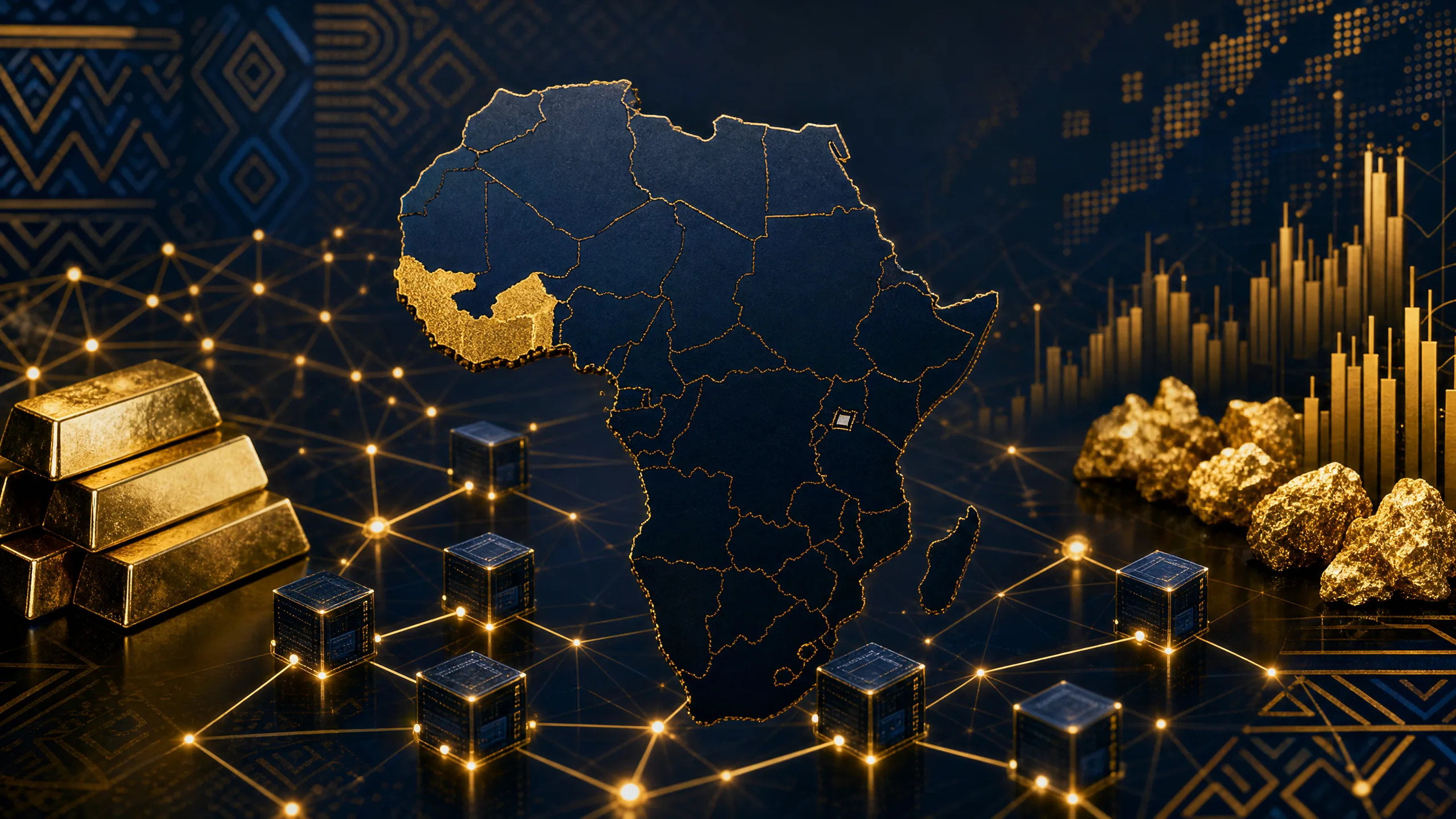
Blockchain technology is revolutionizing the precious metals sector in North Africa through the innovative process of tokenization. By creating digital representations of physical gold and silver on decentralized ledgers, tokenization offers unprecedented levels of transparency, security, and provenance tracking. Each token is backed by a corresponding amount of physical metal stored in audited, secure vaults, providing investors with the assurance of tangible asset backing combined with the liquidity of digital assets. This technological breakthrough addresses long-standing concerns regarding the authenticity and ethical sourcing of precious metals, which have historically plagued the industry.
The tokenization of precious metals also facilitates instantaneous, peer-to-peer transactions across borders, bypassing the delays and exorbitant fees associated with traditional financial intermediaries. In North Africa, where cross-border trade and remittances play a crucial role in the economy, this capability is particularly transformative. Investors can seamlessly transfer tokenized gold or silver to counterparties globally, utilizing these assets as a stable medium of exchange or collateral for decentralized finance applications. This interoperability is unlocking new avenues for liquidity generation, thereby enhancing the overall utility and attractiveness of precious metal investments.
Regulatory Frameworks Shaping the Digital Ecosystem
The rapid expansion of digital investment platforms and blockchain applications has necessitated the development of comprehensive regulatory frameworks across North Africa. Policymakers and financial regulators are increasingly recognizing the need to balance innovation with investor protection and systemic stability. Countries such as Egypt and Morocco are actively drafting legislation to govern the issuance, trading, and custody of digital assets, including tokenized precious metals. These regulatory initiatives aim to establish clear guidelines for anti-money laundering and know-your-customer compliance, mitigating the risks associated with illicit financial activities.
One of the primary challenges facing regulators in North Africa is the inherently borderless nature of digital investments and blockchain technology. To address this, regional authorities are increasingly engaging in cross-border collaboration and information sharing to harmonize regulatory standards. This cooperative approach is crucial for preventing regulatory arbitrage and ensuring a level playing field for market participants. Furthermore, regulators are exploring the implementation of regulatory sandboxes, which allow fintech startups and established financial institutions to test innovative products in a controlled environment.
Conclusion: Future Opportunities in Digital Infrastructure
The trajectory of North Africa’s digital precious metal investment landscape points toward a future defined by unprecedented technological integration and economic empowerment. As fintech innovations and blockchain technology continue to mature, the barriers to entry for both retail and institutional investors will further diminish, unlocking vast reserves of previously inaccessible capital. The ongoing tokenization of gold and silver represents a fundamental restructuring of how tangible assets are valued, traded, and secured in the digital age. This transformation is inextricably linked to the broader digital economy transformation sweeping across the African continent.
Looking ahead, the most significant opportunities lie in the continued development and expansion of robust digital infrastructure. Investments in high-speed internet connectivity, secure data centers, and scalable blockchain networks will be critical for sustaining the growth of the digital precious metals ecosystem. Furthermore, the establishment of interoperable regulatory frameworks will facilitate seamless cross-border transactions and attract sustained foreign direct investment. Policymakers, financial institutions, and technology providers must collaborate closely to build an inclusive financial architecture that leverages the full potential of digital assets.