The Growing Role of Digital Finance in North Africa’s Oil Sector
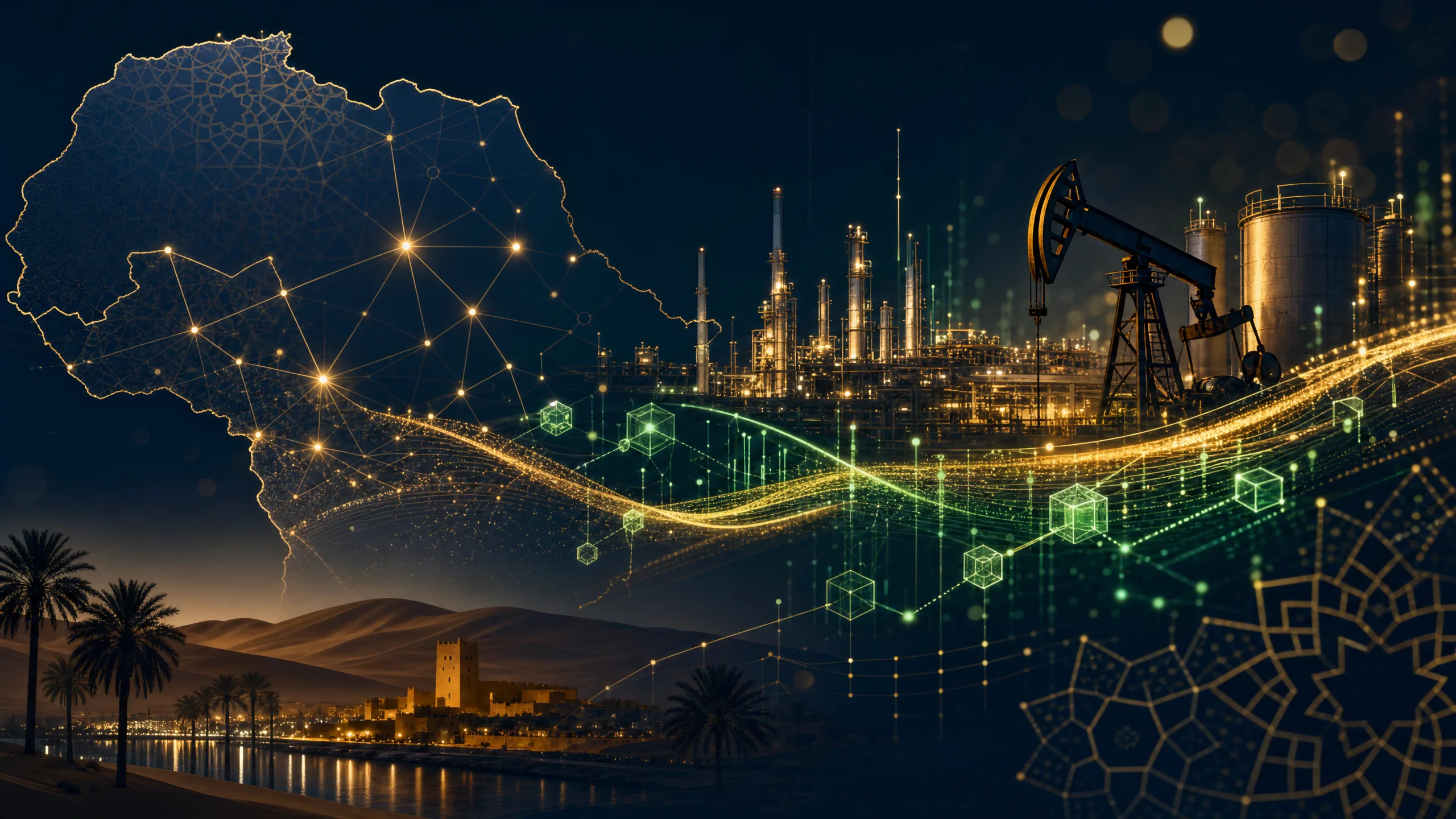
Digital finance has increasingly become a cornerstone in transforming North Africa’s oil sector, addressing long-standing challenges of transparency and accountability. As one of the region’s most vital industries, the oil sector historically grappled with opaque financial flows, regulatory inefficiencies, and susceptibility to corruption. However, the integration of digital finance tools, including blockchain-based platforms and tokenization methods, is reshaping the landscape by enabling real-time tracking of transactions and enhancing auditability.
In countries such as Algeria, Libya, and Egypt, where oil revenues constitute a significant portion of GDP and public expenditure, implementing digital finance solutions improves governance and fosters investor confidence. For instance, the adoption of blockchain transparency mechanisms allows stakeholders to verify payment histories and contract compliance without intermediaries, significantly reducing operational risks. This shift not only aligns with global best practices but also supports North Africa’s broader digital economy transformation by leveraging fintech innovations to modernize traditional resource management.
Blockchain Transparency: A Game Changer for Accountability
One of the most transformative technologies underpinning digital finance in the oil sector is blockchain, which offers unparalleled transparency and security. By maintaining immutable, distributed ledgers, blockchain technology enables all participants in the oil supply chain—governments, companies, and investors—to access verified data on production, sales, and payments. This transparency drastically reduces the incidence of fraud and misreporting, which have historically undermined trust in North Africa’s oil markets.
For example, the Moroccan National Office of Hydrocarbons and Mines recently initiated pilot projects using blockchain to track oil shipments and financial transactions. Early results indicate a 30% reduction in reconciliation times and a significant decline in invoice discrepancies. Such improvements are critical for attracting energy investments, as institutional investors increasingly demand stringent transparency standards before committing capital. Moreover, blockchain’s decentralized nature ensures that no single entity can manipulate data, reinforcing regulatory compliance and facilitating cross-border audits.
Tokenization and Energy Investments in North Africa
Tokenization—the process of converting physical assets or rights into digital tokens on a blockchain—offers novel opportunities for expanding energy investments in North Africa’s oil sector. By representing oil reserves, production quotas, or investment shares as tradable digital tokens, companies can unlock liquidity and diversify funding sources. This approach aligns with the region’s push towards digitizing financial instruments to attract a broader base of investors, including those from global capital markets.
Egypt’s state-owned oil company has explored tokenization models to fractionalize ownership of oil fields, enabling smaller investors to participate in a traditionally capital-intensive industry. Early projections estimate that tokenized assets could reduce fundraising costs by up to 20% and improve market access for local enterprises. Additionally, tokenization enhances transparency by embedding smart contracts that automate compliance checks and royalty distributions. As North Africa’s regulatory frameworks evolve to accommodate these innovations, tokenization stands to accelerate capital inflows and stimulate sustainable growth in the energy sector.
Regulatory Frameworks Supporting Digital Finance Adoption
The successful deployment of digital finance and blockchain solutions in North Africa’s oil sector depends heavily on robust regulatory frameworks. Governments across the region are increasingly recognizing the need for clear policies that balance innovation with risk mitigation. For instance, Tunisia’s Financial Market Council recently introduced guidelines for blockchain-based financial services, emphasizing data protection, anti-money laundering (AML), and investor protection.
In Algeria, draft legislation focused on digital assets and tokenization aims to provide a legal foundation for integrating fintech into the oil industry’s financial ecosystem. These regulatory advancements are critical in reducing uncertainty for institutional investors and ensuring compliance with international standards. Moreover, regional cooperation through entities like the Arab Monetary Fund facilitates knowledge sharing and harmonization of rules, which is essential for cross-border energy investments and digital finance interoperability.
Digital Finance as a Catalyst for North Africa’s Economic Transformation
The integration of digital finance in the oil sector is part of a broader digital economy transformation sweeping across North Africa. The region’s governments are actively investing in digital infrastructure, including high-speed internet and secure data centers, to support fintech innovation. This digital backbone is crucial for scaling blockchain transparency and tokenization initiatives, enabling the oil industry to become more resilient and competitive.
Furthermore, digital finance fosters financial inclusion by enabling smaller enterprises and local communities to participate in the oil value chain through transparent payment systems and fractional ownership models. This inclusivity aligns with the United Nations Sustainable Development Goals (SDGs), particularly those addressing economic growth and reduced inequalities. As North Africa continues to digitize its natural resource management, the oil sector serves as a flagship example of how technology can drive sustainable development and regional integration.
Conclusion: Building the Digital Infrastructure for Future Growth
Looking ahead, the expansion of digital finance in North Africa’s oil sector presents a unique opportunity to enhance transparency, attract energy investments, and foster economic diversification. However, realizing this potential requires continued investment in digital infrastructure, regulatory modernization, and capacity building among industry stakeholders. Strengthening cybersecurity measures and ensuring interoperability between blockchain platforms will also be critical to sustaining trust and operational efficiency.
Institutional investors and policymakers must collaborate to create an enabling environment that supports innovation while safeguarding market integrity. By doing so, North Africa can position itself at the forefront of Africa’s digital economy transformation, leveraging blockchain transparency and tokenization to unlock the full value of its oil resources. Ultimately, these advancements will help the region transition toward more resilient and inclusive energy markets, contributing to long-term economic stability and growth.