The Imperative for Enhanced Water Resource Management in East Africa
Water scarcity remains one of East Africa’s most pressing challenges, impacting agricultural productivity, health outcomes, and economic development. According to the World Bank, over 40% of East Africa’s population lacks reliable access to clean water, with projections indicating that demand will outstrip supply by 2025 if current management practices persist. Traditional water management systems are often fragmented, lacking transparency and efficient allocation mechanisms. This creates inefficiencies and exacerbates conflicts over water usage among agricultural, industrial, and domestic sectors.
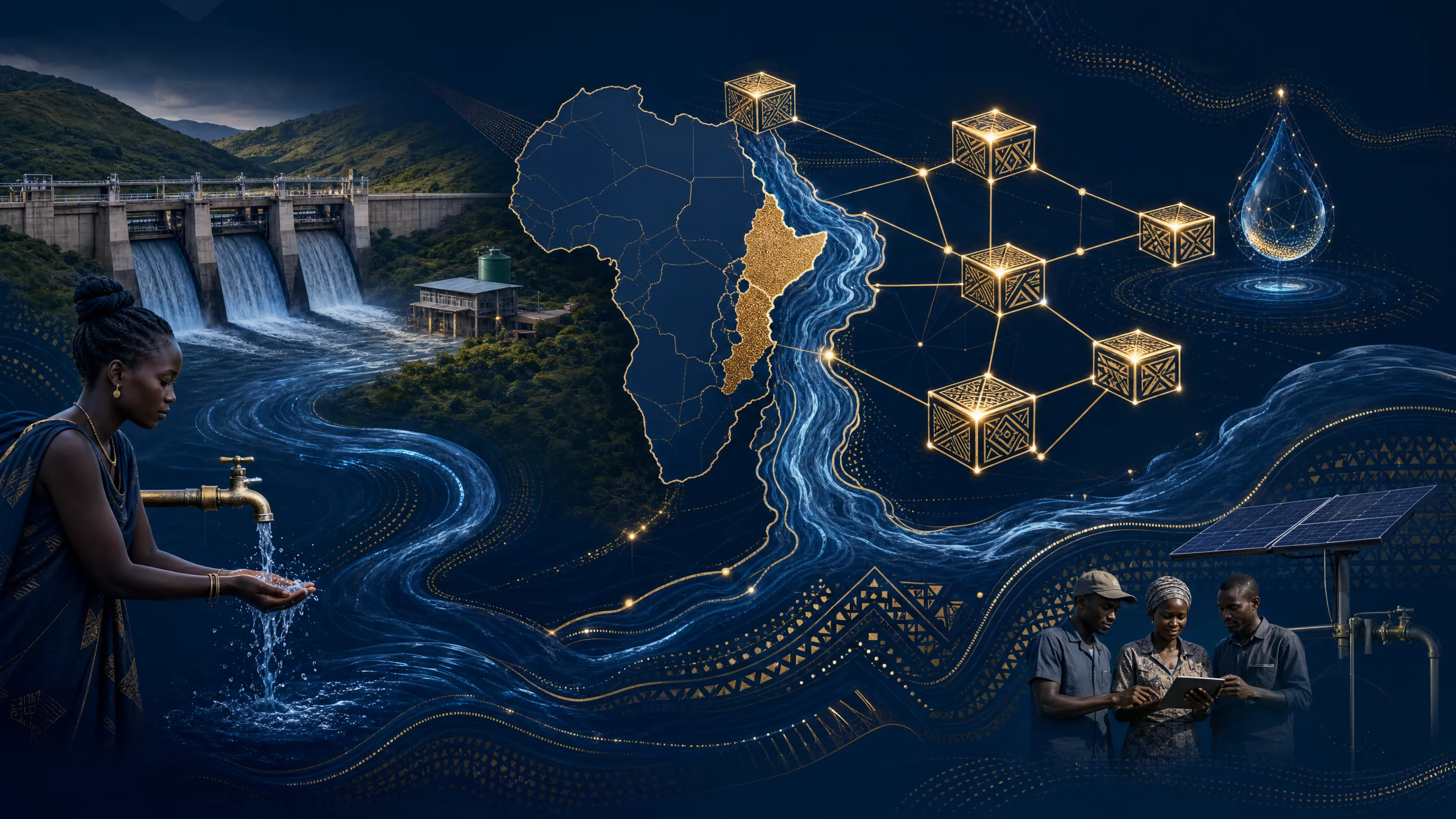
In response, governments and stakeholders in East Africa are exploring innovative solutions that leverage digital technologies to optimize water resource governance. Blockchain technology, in particular, offers transformative potential by ensuring transparency, traceability, and decentralized control over water data and transactions. By integrating blockchain with digital finance frameworks, East Africa can catalyze sustainable water management practices that align with broader goals of economic resilience and environmental stewardship.
Blockchain Technology: A Catalyst for Transparent Water Management
Blockchain’s decentralized ledger system provides an immutable record of transactions, which is crucial for managing shared natural resources like water. In East Africa, where water rights and usage data are often contested or poorly documented, blockchain can serve as a trusted platform for recording consumption, distribution, and payment data. This transparency reduces disputes and fosters accountability among water users, including farmers, utilities, and municipalities.
For example, pilot projects in Kenya have demonstrated how blockchain-enabled smart contracts automate water allocation based on predefined criteria such as seasonal availability and demand forecasts. These contracts execute payments automatically through integrated digital finance tools, ensuring that water providers are compensated fairly while users adhere to sustainable consumption limits. The use of tokenization in these systems allows water rights to be digitized and traded securely, creating a new market mechanism that incentivizes conservation.
Integrating Digital Finance to Enhance Water Access and Sustainability
The convergence of blockchain with digital finance is particularly significant for East Africa’s water resource management. Mobile money platforms like M-Pesa have already revolutionized financial inclusion in the region; extending these capabilities to water management can bridge funding gaps and improve service delivery. Blockchain-based payment systems reduce transaction costs and eliminate intermediaries, enabling micro-payments for water usage that are both affordable and traceable.
Moreover, tokenization can enable innovative financing models such as water-backed digital assets or green bonds that attract institutional investment into water infrastructure projects. These financial instruments can be structured to reward sustainable water practices, aligning investor returns with environmental outcomes. For instance, Uganda’s recent pilot of a blockchain-powered water credit system provided farmers with tokens redeemable for irrigation services, thereby enhancing water use efficiency and crop yields.
Addressing Regulatory and Infrastructure Challenges in East Africa
Despite the potential benefits, the deployment of blockchain-enabled water management systems in East Africa faces significant regulatory and infrastructural hurdles. Many countries in the region are still developing comprehensive digital finance and data protection frameworks, which are essential for safeguarding user information and ensuring legal enforceability of blockchain contracts. Policymakers must collaborate with technology providers and financial institutions to establish clear guidelines that balance innovation with consumer protection.
Infrastructure constraints, such as limited internet connectivity and power supply in rural areas, also limit blockchain adoption. Investment in digital infrastructure and capacity building is critical to overcoming these barriers. Regional initiatives like the East African Digital Economy Strategy emphasize the importance of expanding broadband access and fostering digital literacy, which will create a more conducive environment for blockchain solutions in natural resource management.
Case Studies: Blockchain Initiatives Driving Water Sustainability
Several projects across East Africa exemplify how blockchain technology is advancing water resource management. In Tanzania, the WaterChain initiative uses blockchain to track water quality data collected by IoT sensors, providing real-time transparency and enabling rapid response to contamination events. This system has improved community trust in water utilities and reduced health risks associated with unsafe water.
In Rwanda, the government partnered with fintech startups to develop a blockchain-based water rights registry. This digital ledger clarifies ownership and usage rights, reducing conflicts between upstream and downstream users. The system also facilitates the issuance of water permits and monitoring of compliance, thereby supporting sustainable water allocation aligned with national climate resilience goals.
These cases illustrate how blockchain can be integrated with existing digital finance ecosystems to create scalable, transparent, and efficient water management frameworks that serve both economic and environmental objectives.
The Future of Digital Infrastructure and Water Resource Management in East Africa
As East Africa undergoes a broader digital economy transformation, blockchain-enabled water resource management is poised to become a cornerstone of sustainable development. Institutional investors and policymakers should prioritize the expansion of digital infrastructure and supportive regulatory environments to unlock the full potential of blockchain and tokenization in this sector. Enhanced connectivity, data interoperability, and cross-border collaboration will be key enablers.
Looking ahead, the integration of blockchain with emerging technologies such as artificial intelligence and satellite imagery can further optimize water monitoring and predictive management. This convergence will empower East African countries to respond dynamically to climate variability and population growth, ensuring equitable water access while safeguarding natural ecosystems. By embracing these digital innovations, East Africa can position itself as a global leader in sustainable water resource management and digital finance, driving inclusive growth and resilience for decades to come.